Unlocking Green Gold: Innovative Funding Strategies for Ecological Conservation

webmaster

생태보전 자금 조달 관련 이미지 1

Hey there, nature lovers and forward-thinkers! Have you ever paused to think about the incredible magic our planet’s ecosystems perform every single day, quietly sustaining life as we know it?

From the air we breathe to the water we drink, these natural wonders are truly priceless. But let’s be real, preserving them in our rapidly changing world takes more than just good intentions – it takes smart, sustainable funding.

It’s a topic that’s been buzzing in my mind lately, especially as I’ve seen firsthand how innovative new approaches are making a real difference. We’re talking about everything from green bonds to community-led initiatives, and believe me, the landscape of conservation finance is evolving faster than ever.

It’s an exciting time to explore how we can all contribute to a healthier planet, and I’m ready to share some eye-opening insights with you. Let’s dive in and discover exactly how we can better fund the future of our precious ecosystems!

The Shifting Sands of Conservation Finance: A New Era Dawns

생태보전 자금 조달 이미지 1

Have you ever stopped to truly appreciate the silent heroes of our planet? I’m talking about our ecosystems – the lush forests that clean our air, the sprawling wetlands that filter our water, and the vibrant oceans teeming with life.

They’re working tirelessly for us, yet for too long, their vital services have been undervalued and underfunded. It’s like having an incredible, hardworking team that’s constantly battling resource shortages.

But lately, I’ve been incredibly optimistic, seeing a real sea change in how we approach this. We’re moving beyond just traditional donations and government grants; there’s a dynamic shift towards innovative financial instruments that are not only securing much-needed funds but also proving to be genuinely sustainable.

It’s a pretty exciting time to witness this evolution. What I’ve seen firsthand is how these new approaches are bringing together investors, governments, and local communities in ways that were unimaginable just a decade ago.

It feels like we’re finally starting to truly understand that investing in nature isn’t just an ethical choice; it’s a smart economic one, too. The ripple effect of a healthy ecosystem on human well-being and economic stability is becoming undeniable, and the smart money is starting to follow.

Green Bonds and Impact Investments: Funding with a Purpose

I’ve been following the rise of green bonds with genuine fascination. It’s like a lightbulb finally went off for the financial world: why not make it easier for people to invest in projects that actually *do good*?

Green bonds are essentially fixed-income instruments specifically designed to raise capital for projects with environmental benefits. They’re gaining serious traction globally, attracting a broad spectrum of investors who want to see their money actively contributing to a more sustainable future.

This isn’t just a niche market anymore; it’s a significant force reshaping investment portfolios. Then there’s impact investing, which, to me, feels like the ultimate win-win.

It’s about channeling capital into companies, organizations, and funds with the explicit intention to generate measurable social and environmental impact alongside a financial return.

What I love about it is the dual bottom line – you’re not just chasing profits, you’re creating tangible, positive change. I’ve spoken with several fund managers who swear by this approach, and their passion for both financial and environmental returns is truly infectious.

It’s transforming how we think about wealth creation and its purpose.

The Promise of Blended Finance: Mixing Public and Private Dollars

One of the biggest breakthroughs I’ve observed is the concept of blended finance. Honestly, it’s genius! It’s all about strategically combining public or philanthropic funds with private capital to de-risk investments and make them more attractive for private investors.

Think of it as a carefully crafted recipe where each ingredient plays a crucial role. Governments and philanthropic organizations can provide first-loss capital, guarantees, or technical assistance, which significantly reduces the perceived risk for private investors who might otherwise be hesitant to enter the conservation space.

This collaboration is absolutely vital because, let’s be real, the scale of funding needed for global ecosystem conservation is immense – far too large for any single sector to tackle alone.

Through blended finance, we’re seeing innovative projects get off the ground, from sustainable agriculture initiatives in developing nations to large-scale forest restoration efforts.

It’s about leveraging every available resource and making sure that every dollar works harder.

Embracing Nature-Based Solutions: A Smart Investment

It’s become crystal clear to me that some of the most effective and cost-efficient ways to protect our planet involve simply working *with* nature, not against it.

These “nature-based solutions” (NBS) are becoming a cornerstone of modern conservation, and honestly, it’s about time! Instead of building expensive grey infrastructure to manage floods, for instance, why not restore wetlands that naturally absorb excess water?

Or, instead of costly air filtration systems, how about investing in urban forests that clean the air for free? This isn’t just theoretical; I’ve seen communities firsthand embracing these approaches, and the benefits extend far beyond just ecological health.

They often create local jobs, enhance community well-being, and provide recreational opportunities, making them incredibly attractive for long-term investment.

Restoring Coastal Ecosystems for Resilience and Livelihoods

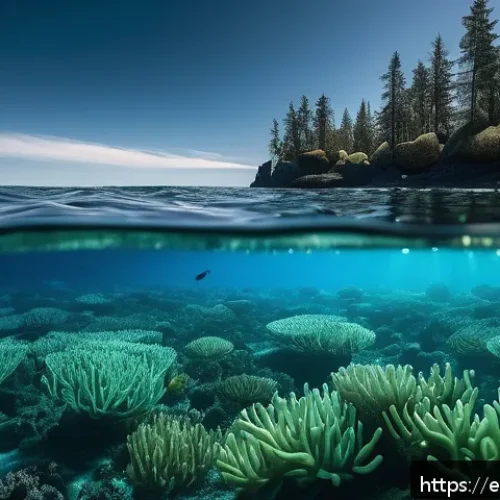
One area where NBS truly shines is in coastal protection. Living near the coast myself, I’ve witnessed the destructive power of storms, and traditional sea walls are often just a temporary, incredibly expensive fix.

But when you invest in restoring mangrove forests or coral reefs, you’re not just creating a natural barrier against storm surges; you’re also fostering vital habitats for marine life, which in turn supports local fishing industries and tourism.

It’s a holistic approach that builds genuine resilience. I remember talking to a local fisherman who told me how the restored mangroves not only protected his village but also brought back fish populations that had dwindled for years.

It’s these kinds of real-world impacts that truly highlight the power of nature-based solutions. They’re not just about saving nature; they’re about saving communities and their economies too.

Sustainable Agriculture and Reforestation: Healing the Land

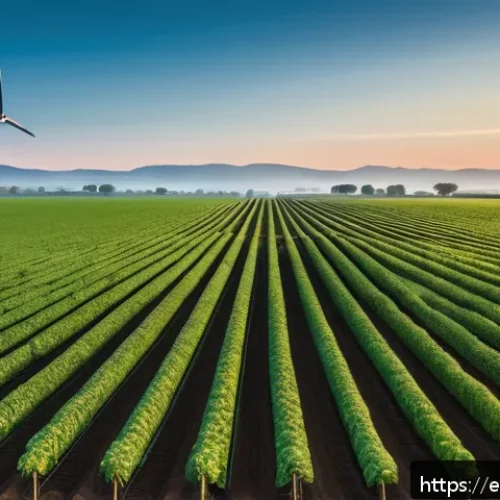
Another powerful application of NBS is in agriculture and land management. The way we grow our food has a massive impact on ecosystems, from soil degradation to water pollution.

But by investing in sustainable farming practices – like agroforestry, regenerative agriculture, and reduced tillage – we can actually heal the land, improve soil health, sequester carbon, and boost biodiversity.

And when it comes to reforestation? The impact is simply breathtaking. Planting trees isn’t just about absorbing carbon; it restores degraded landscapes, prevents soil erosion, and creates new habitats.

I’ve been following several incredible projects where communities are actively involved in reforestation, and the sense of ownership and pride they feel is palpable.

It’s about more than just planting a tree; it’s about planting hope and a sustainable future.

Advertisement

The Digital Frontier: Technology’s Role in Green Funding

It’s wild to think about how much technology has transformed every aspect of our lives, and conservation finance is certainly no exception. What excites me most is how digital tools are making it easier, more transparent, and more efficient to fund environmental initiatives.

We’re living in an age where data isn’t just information; it’s a powerful currency, especially when it comes to tracking impact and ensuring accountability in conservation projects.

From satellite monitoring to blockchain, technology is literally reshaping the landscape of how we invest in and protect our planet. It’s removing barriers and opening up new avenues for participation that were simply unthinkable a few years ago.

Leveraging AI and Big Data for Smarter Conservation

The amount of data we can collect now is astounding, and with artificial intelligence, we can actually make sense of it all. AI is being used to identify deforestation hot spots, track wildlife populations, and even predict areas most vulnerable to climate change, helping conservationists allocate funds more effectively.

I recently read about a project using AI to analyze satellite imagery to detect illegal mining operations in real-time, allowing for rapid intervention.

This kind of predictive power and efficiency means that every dollar invested can go further and achieve greater impact. It’s about working smarter, not just harder.

Big data analytics are also crucial for demonstrating the return on investment for conservation projects, making them more attractive to savvy investors who want tangible proof of impact.

Blockchain and Tokenization: New Avenues for Funding

This might sound a bit futuristic, but I truly believe that blockchain technology is going to be a game-changer for conservation finance. Imagine being able to track every single dollar donated or invested in a project, ensuring complete transparency and accountability.

That’s the power of blockchain. Beyond just transparency, we’re seeing the emergence of “tokenization,” where assets – including environmental assets like carbon credits or biodiversity credits – can be represented as digital tokens.

This could potentially democratize access to conservation funding, allowing a wider range of investors, even individuals, to participate in buying and selling these tokens.

It’s still an emerging field, but the potential for increasing liquidity and accessibility in environmental markets is immense, and it’s something I’m watching very closely.

Community-Driven Conservation: Empowering Local Stewards

생태보전 자금 조달 이미지 2

For too long, conservation efforts have often been top-down, with decisions made far away from the communities directly impacted. But what I’ve learned through my own experiences and observations is that true, lasting conservation absolutely *must* be community-driven.

When local people are empowered, when their traditional knowledge is valued, and when they have a direct stake in the health of their ecosystems, the results are simply phenomenal.

It creates a sense of ownership and responsibility that no amount of external funding alone can achieve. This shift towards community-led initiatives is one of the most heartwarming and effective trends I’ve seen in the conservation world.

Indigenous Knowledge and Sustainable Land Management

Indigenous communities around the world have been living in harmony with nature for millennia, possessing an incredible wealth of traditional ecological knowledge.

Integrating this knowledge into modern conservation strategies isn’t just ethical; it’s profoundly effective. I’ve seen projects where land management decisions are co-designed with Indigenous elders, leading to far more sustainable and culturally appropriate outcomes than anything external experts could have devised alone.

Their deep understanding of local ecosystems, coupled with a long-term perspective, offers invaluable insights into effective conservation. Recognizing and supporting their land rights and stewardship practices is a powerful way to protect vital biodiversity hotspots.

Creating Local Economic Incentives for Conservation

The reality is that for conservation to truly succeed, it needs to offer tangible benefits to local communities. This is where creating local economic incentives comes into play.

Initiatives like ecotourism, sustainable forestry, and payments for ecosystem services (PES) directly link the well-being of local people to the health of their natural environment.

When a community sees that a healthy forest can bring in tourists, or that protecting a watershed ensures clean water for their agriculture, they become powerful advocates for conservation.

I’ve visited communities where former poachers have become wildlife guides, now fiercely protecting the very animals they once hunted, because they see the economic value of a thriving ecosystem.

It’s about empowering people to be part of the solution.

Funding Mechanism Description Key Benefits for Ecosystems Potential Challenges
Green Bonds Debt instruments to finance environmentally friendly projects. Mobilizes large-scale capital for specific green projects, increases transparency. Requires rigorous project vetting, may not reach smaller initiatives.
Impact Investing Investments aiming for measurable positive environmental/social impact alongside financial return. Focuses on tangible outcomes, attracts values-aligned investors, fosters innovation. Measuring impact can be complex, scaling successful models takes time.
Blended Finance Combines public/philanthropic funds with private capital to de-risk projects. Unlocks private sector investment for projects otherwise too risky, scales impact. Requires complex structuring, identifying suitable public/private partners.
Payments for Ecosystem Services (PES) Direct payments to landowners for managing their land to provide ecological services (e.g., clean water, carbon sequestration). Directly incentivizes conservation, empowers local landowners, adaptable to local contexts. Valuing ecosystem services can be difficult, long-term funding stability.
Carbon Markets Trading of carbon credits to offset emissions, often funding forest protection or renewable energy. Generates revenue for climate mitigation/adaptation, creates market value for environmental benefits. Market volatility, concerns over additionality and permanence of offsets.
Advertisement

Navigating the Path Ahead: Challenges and Opportunities

While the landscape of conservation finance is incredibly exciting, it’s not without its hurdles. We’re dealing with complex, interconnected global issues, and finding solutions that work everywhere, for everyone, is a massive undertaking.

From political instability to economic fluctuations, there are always external factors that can impact even the best-laid plans. But what keeps me genuinely optimistic is the sheer ingenuity and dedication I see from people across the globe who are committed to making a difference.

Every challenge presents an opportunity to innovate, to collaborate more effectively, and to strengthen our collective resolve. It’s a journey, not a destination, and every step forward counts.

Bridging the Funding Gap: Scaling Up and Driving Innovation

One of the biggest challenges we face is the sheer scale of the funding gap. The amount of money needed to effectively protect and restore our planet’s ecosystems is still significantly larger than what’s currently being invested.

This means we absolutely have to find ways to scale up successful initiatives rapidly and consistently. It’s not enough to have a handful of amazing projects; we need thousands.

This requires continuous innovation, not just in financial instruments but also in how we measure impact, build partnerships, and engage with diverse stakeholders.

I truly believe that fostering an environment where new ideas can flourish, and where risk-taking is encouraged, will be crucial to closing this gap. It’s about building a robust pipeline of investable conservation projects that are both impactful and financially viable.

Ensuring Equity and Inclusivity in Conservation Funding

As we push forward with new funding mechanisms, it’s absolutely critical that we prioritize equity and inclusivity. There’s a risk that without careful consideration, new financial models could inadvertently exclude smaller organizations, local communities, or those in developing nations who often bear the brunt of environmental degradation.

My personal belief is that truly sustainable conservation must be just conservation. This means actively working to ensure that funding opportunities are accessible to a diverse range of actors, and that the benefits of conservation are shared fairly.

It’s about building capacity, providing technical assistance, and listening intently to the needs and priorities of those on the front lines of conservation.

We need to democratize access to capital and empower a wider network of environmental stewards.

Your Contribution to a Greener Future: Small Actions, Big Ripples

You might be reading all of this and thinking, “Okay, this is great, but how does *my* everyday life fit into these grand financial schemes?” And that’s a totally valid question!

What I’ve come to realize is that while large-scale investments are crucial, our individual actions, when combined, create a powerful ripple effect. It’s easy to feel overwhelmed by the enormity of environmental challenges, but believe me, every single conscious choice we make contributes to the larger movement.

It’s about empowering ourselves to be part of the solution, even in seemingly small ways, because those small ways add up to something truly significant.

Conscious Consumerism and Ethical Investments

One of the most direct ways we can influence the funding of a greener future is through our wallets. As consumers, we have immense power. Choosing to support brands and companies that prioritize sustainability, ethical sourcing, and environmental responsibility sends a clear message to the market.

I’ve personally made a conscious effort to research the companies I buy from, and it’s amazing how much information is available if you just look for it.

Beyond our daily purchases, for those who are able, considering ethical or green investment options in your personal portfolios can have a tangible impact.

Many financial advisors are now well-versed in ESG (Environmental, Social, and Governance) investing, allowing you to align your financial goals with your values.

It’s a powerful way to literally put your money where your mouth is.

Advocacy and Education: Amplifying the Message

Never underestimate the power of your voice! Being an advocate for conservation, whether it’s by talking to friends and family, engaging with local politicians, or supporting environmental organizations, is absolutely vital.

The more people who understand the importance of ecosystem health and sustainable funding, the stronger our collective movement becomes. Sharing knowledge, educating ourselves and others about these innovative funding models, and highlighting successful conservation stories can inspire action.

I’ve found that simply sharing what I learn through this blog often sparks interesting conversations and encourages others to look into these topics themselves.

Every conversation, every shared article, every informed opinion helps to amplify the message that investing in nature is investing in our shared future.

Frequently Asked Questions (FAQ) 📖

Q: What exactly is “conservation finance,” and why is it so vital right now?

A: Okay, so “conservation finance” might sound a bit like financial jargon, but trust me, it’s actually a really exciting and crucial concept! In a nutshell, it’s all about finding clever and sustainable ways to get money flowing into protecting, restoring, and managing our natural world.
Think about it – historically, a lot of conservation efforts relied heavily on government grants or generous donations from individuals and charities.
And while those are still incredibly important, the scale of environmental challenges we’re facing today, from climate change to biodiversity loss, means we need way more capital than those traditional sources can provide.
That’s where conservation finance steps in. It’s about bringing in diverse financial tools, often leveraging private investment, to bridge that massive funding gap.
It essentially aims to make nature a valuable asset that businesses and governments want to invest in, flipping the script so that a thriving forest is seen as more valuable standing than cut down for timber.
I’ve personally seen how this shift in mindset can unlock incredible resources, making sure that projects get the long-term, steady funding they need to truly make an impact.
It’s about recognizing that healthy ecosystems aren’t just good for the planet; they’re essential for our economy and well-being too!

Q: What are some of these “innovative new approaches” to funding ecosystem preservation, like green bonds or community-led initiatives, that you mentioned?

A: This is where things get really interesting and hopeful! When I talk about innovative approaches, I’m talking about mechanisms that go beyond the usual donations to create sustainable, often revenue-generating, streams for conservation.
First up, “green bonds” are a real game-changer. I like to think of them as a special kind of loan that investors make to governments, corporations, or financial institutions, but with a super important twist: the money has to be used for environmentally friendly projects.
We’re talking about everything from renewable energy to sustainable agriculture, clean transportation, and, of course, protecting and restoring ecosystems.
Investors get a return on their investment, just like with regular bonds, but they also get the satisfaction of knowing their money is directly fueling positive environmental change.
It’s a win-win, right? I’ve noticed a growing interest in these, especially from big institutional investors like pension funds and asset managers, who are increasingly looking for ways to support the green transition.
Then, there are “community-led initiatives,” which are incredibly powerful because they put local people at the heart of conservation. These aren’t new in concept, but their funding models are evolving.
Instead of top-down projects, these are initiatives where local communities, often Indigenous peoples, design and implement their own conservation efforts, like developing fuel-efficient stoves to reduce deforestation or managing mangrove forests through beekeeping.
The innovation comes in blending traditional grants with more sustainable social enterprise approaches, or even direct funding access for Indigenous communities.
What’s amazing about these is that they often address multiple challenges at once – protecting biodiversity, improving livelihoods, and preserving cultural traditions.
I’ve heard stories that truly highlight how effective this can be when local knowledge and ownership are prioritized. It’s about empowering those who live closest to nature to be its most effective stewards.

Q: As an individual, how can I actually contribute to these efforts, even if I’m not a big investor or part of a huge organization?

A: Absolutely! This is a question I hear all the time, and it’s one of my favorites because every single one of us has the power to make a difference, even with our everyday choices.
You might not be issuing green bonds, but your actions, collectively, are incredibly impactful! One of the most direct ways is by choosing responsible investments and sustainable banking.
Think about it: where you keep your money can either inadvertently fund industries that harm the environment or actively support those working to protect it.
Many banks and credit unions are now focusing on sustainable initiatives, and it’s worth checking out their environmental, social, and governance (ESG) reports to see where they stand.
It truly feels good knowing your money isn’t working against the planet! Beyond that, consider donating to reputable organizations that are dedicated to conservation efforts.
Small, consistent contributions can provide vital, steady funding for projects on the ground. When you’re looking to give, I always recommend checking their transparency reports to ensure your donation is being used effectively.
I personally love setting up a small monthly donation to an organization whose work I deeply admire – it’s an easy way to feel connected to the cause.
And don’t underestimate the power of being a conscious consumer. Every purchase we make has an environmental footprint. By opting for sustainable brands, reducing your consumption (especially of things that cause deforestation or pollution), and even exploring carbon offset programs, you’re voting with your wallet for a healthier planet.
It’s a tangible way to align your values with your daily habits. Finally, advocating for government and corporate accountability is huge! Sign petitions, contact your representatives, and urge companies to adopt sustainable practices.
Our collective voice can really push for stronger environmental policies and direct more funding towards protecting wildlife and ecosystems. Remember, every little bit adds up, and together, we can create a powerful wave of change!

Advertisement