5 Game-Changing Biodiesel Innovations That Could Power Your Future

webmaster

바이오디젤 개발 - **Prompt: The Algae Revolution: Cultivating Green Gold**
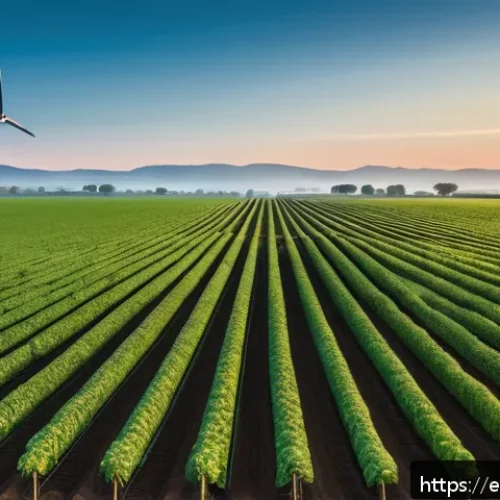
    "A breathtaking, panoramic view of a ma...

Hey there, fellow energy enthusiasts! Have you ever looked at the world around us and wondered how we can genuinely power our future without burning through our planet’s resources?

바이오디젤 개발 관련 이미지 1

I know I do, constantly. That gnawing feeling about climate change and the ever-present anxiety over fluctuating fuel prices has pushed so many of us to seek real solutions.

Well, I’ve been diving deep into the incredible world of biodiesel development lately, and honestly, what I’m finding is nothing short of revolutionary.

It’s genuinely thrilling to witness the breakthroughs happening right now. We’re talking about a future where our cars, trucks, and even planes could be running on fuels derived from surprising sources, moving far beyond the old “food versus fuel” debate.

From advanced biorefineries transforming waste oils and animal fats into high-quality fuel, to exciting innovations leveraging AI and deep learning to optimize production processes and discover entirely new, non-edible feedstocks like algae, the landscape is shifting dramatically.

It’s not just wishful thinking; these are real, tangible advancements making biodiesel more efficient, more affordable, and truly sustainable. Of course, it’s not all smooth sailing.

Policy uncertainties and the constant quest for cost-effective feedstock remain significant hurdles for many, causing a few jitters in the market. But from my experience, the sheer ingenuity and commitment within the scientific community and industry players are pushing past these challenges, continually innovating to meet global demands for cleaner energy.

It’s inspiring to see how these intelligent solutions are being developed, aimed at reducing our carbon footprint and boosting energy independence worldwide.

This isn’t just about finding an alternative fuel; it’s about pioneering a smarter, cleaner way to power our lives. It’s about securing a sustainable future for generations to come, and frankly, I couldn’t be more excited about the potential.

Let’s delve deeper into how these incredible advancements are shaping our world.

The Algae Revolution: A Game Changer for Sustainable Fuel

Cultivating Green Gold: The Promise of Algal Feedstocks

Oh, the world of algae! Honestly, when I first heard about algae as a potential fuel source, I admit I was a bit skeptical. We’re talking about pond scum, right?

But after diving deep into the research and seeing some of the incredible pilot projects, my mind is completely blown. The sheer potential of these microscopic powerhouses is staggering.

Imagine fields of what essentially looks like green soup, soaking up sunlight and carbon dioxide at an astonishing rate, churning out lipids that can be directly converted into biodiesel.

What really gets me excited is their incredible growth rate; they can double their biomass in mere hours under optimal conditions, far outstripping traditional crop-based feedstocks like soy or corn.

This means we could potentially produce massive quantities of biofuel without competing for valuable agricultural land needed for food production. I’ve read about bioreactors the size of warehouses, meticulously controlled to maximize algal output, and it truly feels like we’re on the cusp of something revolutionary.

The idea of turning something so abundant and fast-growing into a clean energy source just fills me with so much hope for a truly sustainable future. It’s not just a niche idea anymore; it’s a rapidly developing industry with serious scientific backing, making it a genuine game-changer in the quest for energy independence.

Overcoming Algae’s Hurdles: From Pond to Production

Now, I won’t lie, it’s not all sunshine and rainbows in the algae world – yet! There are definitely some significant hurdles we’re still working to overcome.

One of the biggest challenges, as I’ve observed, is the cost-effective harvesting and processing of these tiny organisms. Imagine trying to efficiently separate vast quantities of microscopic cells from water; it requires specialized equipment and energy-intensive processes.

Then there’s the challenge of optimizing lipid content; not all algae strains are created equal, and scientists are constantly experimenting with genetic modifications and growth conditions to maximize the oil yield.

From a personal perspective, I’ve often wondered about the sheer scale needed for widespread adoption – how much land or bioreactor space would it take to significantly impact global fuel demand?

However, what keeps me optimistic are the innovative solutions emerging. Companies are developing advanced centrifugation techniques, flocculation methods, and even gravity-fed systems to bring down harvesting costs.

Plus, the ongoing research into different algal strains and nutrient cycling is truly promising. I’ve even seen discussions about integrated systems where algae can clean wastewater while producing biomass, creating a beautiful circular economy.

It’s a complex puzzle, but the brilliant minds working on this are relentlessly pushing the boundaries, and I firmly believe we’ll see some incredible breakthroughs in efficiency and scalability very soon.

From Waste to Watts: Repurposing the Unwanted for Biofuel

The Beauty of Used Cooking Oil: A Local Success Story

There’s something incredibly satisfying about turning trash into treasure, isn’t there? That’s exactly how I feel about the growing movement to convert used cooking oil (UCO) into high-quality biodiesel.

I remember visiting a local restaurant a few years back, and they were so proud to tell me they were selling their fryer oil to a company that refined it into biofuel.

It felt so tangible and immediate, knowing that the oil from my fries could literally be powering a truck down the highway. This isn’t some far-off futuristic concept; it’s happening right now in communities all over the world.

The beauty of UCO as a feedstock is twofold: first, it diverts a waste product from landfills, where it could cause environmental issues, and second, it’s a readily available resource that doesn’t compete with food crops.

It also often comes with a lower carbon intensity compared to virgin vegetable oils because the energy required for its initial production and transport has already been expended.

The process itself, often transesterification, is relatively straightforward and scalable, making it accessible even to smaller biorefineries. I’ve personally spoken with individuals who’ve experimented with producing small batches of biodiesel from their own kitchen waste, and while I wouldn’t recommend it for everyone, it truly highlights the accessibility of this technology and the ingenuity of people looking for cleaner solutions.

It’s a wonderful example of how practical, everyday efforts can contribute to a larger, sustainable energy picture.

Animal Fats and Beyond: Expanding the Feedstock Horizon

But the waste-to-fuel story doesn’t stop at used cooking oil! The advancements in processing technology are opening up possibilities for a whole host of other waste streams, and animal fats are a prime example.

Think about it: tallow, lard, yellow grease – these are often byproducts from the meat processing industry that historically had limited uses. Now, with sophisticated rendering and refining techniques, these fats are proving to be excellent feedstocks for biodiesel production.

The really impressive part is how these advancements are transforming what was once a disposal challenge into a valuable resource, creating new revenue streams for industries and further reducing overall waste.

I’ve always been fascinated by how innovation can completely shift our perspective on what we consider “waste.” Beyond animal fats, researchers are even exploring agricultural residues like corn stover and forestry waste, though these often require more advanced thermochemical or biochemical conversion methods, pushing the boundaries of what’s possible.

The variety of non-food-competing feedstocks keeps expanding, and it’s truly exciting to see this diversification. This broadens the supply chain for biodiesel, making it more resilient and less susceptible to fluctuations in any single commodity market.

It’s a testament to human ingenuity, constantly finding new ways to extract value and create cleaner energy from what was previously discarded.

Advertisement

Smart Science, Cleaner Fuel: How AI is Supercharging Biodiesel Production

Optimizing Processes with Machine Learning

If there’s one area that consistently blows my mind with its potential, it’s the integration of artificial intelligence and machine learning into the biodiesel production process.

It sounds a bit futuristic, right? But it’s happening now, and the results are frankly incredible. Imagine a biorefinery where every single variable, from feedstock quality to reaction temperature and catalyst concentration, is constantly monitored and adjusted in real-time by an intelligent system.

That’s what AI and machine learning are enabling. I’ve learned that these algorithms can analyze vast datasets from experimental runs and production cycles to identify optimal conditions that human operators might miss.

This means higher yields, reduced energy consumption, and less waste – basically, a more efficient and cost-effective production every single time. It’s like having an army of super-smart scientists working 24/7 to fine-tune every aspect of the operation.

I’ve even seen examples where AI models predict equipment failures before they happen, allowing for proactive maintenance and preventing costly downtime.

This level of precision and predictive power isn’t just a minor improvement; it’s a fundamental shift in how we approach manufacturing, making the entire biodiesel supply chain more robust and reliable.

It truly feels like we’re leveraging the best of human innovation with the best of computational power.

Discovering New Biofuel Sources Through Data

Beyond optimizing existing processes, AI is also playing a pivotal role in discovering entirely new possibilities for biofuel. This is where it gets really exciting!

Think about the sheer number of plant species, microbial strains, and waste materials out there. Manually testing each one for its potential as a biodiesel feedstock would be an impossible task.

But AI algorithms, particularly deep learning models, can sift through enormous biological and chemical databases, identifying patterns and correlations that point to promising new sources.

I’ve heard about systems that can predict the lipid content of various algal strains based on their genetic makeup or identify novel enzymes that could make the conversion process more efficient.

It’s like having a digital prospecting tool that can uncover hidden gems in the vast landscape of organic matter. This accelerates research and development cycles dramatically, bringing new, sustainable feedstocks to the forefront much faster than ever before.

From my perspective, this isn’t just about finding another feedstock; it’s about broadening our understanding of biological systems and harnessing that knowledge to create a more diverse and resilient energy portfolio.

The human element, our curiosity and drive, combined with AI’s analytical power, is truly a force to be reckoned with in the pursuit of sustainable energy.

Navigating the Green Road Ahead: Policy & Economic Drivers for Biodiesel

Government Incentives: Fueling Growth and Innovation

While the science and technology behind biodiesel are undeniably fascinating, we can’t ignore the crucial role that policy and economic factors play in its widespread adoption.

From my observations, government incentives have been an absolute game-changer in pushing biodiesel forward. Think about tax credits for producers, blending mandates that require a certain percentage of biofuels in conventional diesel, or even grants for research and development into advanced feedstocks.

These policies aren’t just about being “green”; they’re about creating a stable market, reducing financial risks for investors, and stimulating innovation within the industry.

I’ve seen firsthand how a well-structured incentive program can catalyze the construction of new biorefineries and attract significant private investment, transforming what might otherwise be a nascent technology into a thriving economic sector.

Without these supportive frameworks, many promising projects might never get off the ground due to high upfront costs or market uncertainties. It’s a delicate balance, of course, ensuring that incentives genuinely drive sustainability and don’t create unintended consequences, but when done right, they are incredibly effective at accelerating our transition to cleaner energy.

It’s a clear signal from policymakers that sustainable fuels are a priority, which then empowers businesses and researchers to truly commit to this path.

The Cost Equation: Making Biodiesel Competitive

Let’s be honest, at the end of the day, cost is a huge factor for consumers and industries alike. For biodiesel to truly become a mainstream fuel, it needs to be economically competitive with conventional fossil diesel.

This has historically been a challenge, especially with the fluctuating prices of petroleum. The major cost drivers in biodiesel production often come down to feedstock prices and processing expenses.

This is where all the innovation we’ve been discussing—from waste feedstocks to AI optimization—really comes into play. By utilizing low-cost waste materials, we dramatically reduce the raw material cost.

By making the conversion process more efficient through advanced catalysts and smart systems, we bring down operational expenses. I’ve always felt that the “food versus fuel” debate highlighted this economic sensitivity; if feedstocks become too expensive due to competition with food crops, the viability of biodiesel suffers.

However, the shift towards non-edible oils, algae, and waste fats is fundamentally changing this cost equation, making biodiesel increasingly attractive.

Furthermore, as the industry scales up, economies of scale will naturally drive down production costs. It’s a continuous journey, but I’m incredibly optimistic about the trajectory, especially as the environmental costs of fossil fuels become more widely recognized and factored into the broader economic picture.

바이오디젤 개발 관련 이미지 2

We’re moving towards a world where the sustainable option is also the economically smart one.

Advertisement

Beyond the Tank: Biodiesel’s Role in a Circular Economy

Reducing Waste, Creating Value

When I think about the bigger picture of biodiesel, it’s not just about what comes out of the tailpipe; it’s about its incredible potential to fit into a truly circular economy.

This concept just resonates so deeply with me – the idea of minimizing waste and maximizing resource utilization. Biodiesel exemplifies this beautifully.

Instead of discarding used cooking oil down the drain or sending animal fats to landfills, we’re now turning these waste streams into valuable energy.

This isn’t just pollution prevention; it’s active resource recovery. Furthermore, many biodiesel production processes generate glycerin as a byproduct, which itself is a valuable chemical used in everything from cosmetics to pharmaceuticals.

It’s like a cascade of value creation, where one process’s “waste” becomes another’s raw material. This holistic approach is so much more intelligent than our traditional linear economic model of “take, make, dispose.” From my personal standpoint, knowing that my choices, like opting for products that use sustainably sourced ingredients or supporting companies that recycle their waste oils, contribute to this virtuous cycle, feels incredibly empowering.

It’s about seeing resources not as finite commodities to be consumed, but as elements in an endless loop of transformation and utility.

A Holistic Approach to Energy and Environment

The beauty of biodiesel within a circular economy extends beyond just waste reduction; it encompasses a more holistic approach to our energy and environmental challenges.

By utilizing diverse, often local, feedstocks, it can enhance energy independence and reduce reliance on volatile global fossil fuel markets. It creates jobs in collection, processing, and distribution, often in rural areas, fostering local economies.

And perhaps most importantly, it contributes to mitigating climate change by reducing greenhouse gas emissions compared to fossil fuels. I’ve always believed that true sustainability isn’t just about addressing one problem; it’s about finding solutions that create positive ripple effects across multiple domains.

Biodiesel, when developed with sustainable feedstocks and efficient processes, does exactly that. It encourages a shift in mindset, pushing us to view our resources differently and to design systems that are regenerative by nature.

It’s not a silver bullet, of course, but it’s a vital piece of the puzzle, demonstrating how thoughtful innovation can harmonize economic growth with environmental stewardship.

It offers a tangible path towards a future where our energy systems are not only cleaner but also more resilient and integrated with ecological principles.

The Road to Net-Zero: Biodiesel’s Impact on Our Carbon Footprint

Quantifying Emissions Reductions

When we talk about climate change and the urgent need to reduce our carbon footprint, biodiesel really shines as a practical, immediately deployable solution.

The data I’ve come across repeatedly shows that biodiesel significantly reduces greenhouse gas emissions compared to conventional petroleum diesel. Depending on the feedstock and production method, lifecycle greenhouse gas reductions can range from 50% to over 80%.

That’s not a small number! This includes emissions from feedstock cultivation, transport, processing, and combustion. I remember digging into some environmental impact assessments, and seeing those numbers laid out clearly was incredibly impactful.

It’s not just about the tailpipe emissions, which are already lower in pollutants like particulate matter and unburned hydrocarbons, but about the entire journey of the fuel.

When you consider the carbon sequestration potential of certain feedstocks, like algae or cover crops used for oil, the overall benefit becomes even more compelling.

This isn’t just abstract science; it translates into cleaner air in our cities and a slower rate of climate warming. For me, knowing that a fuel option exists right now that can make such a substantial difference is incredibly reassuring.

It provides a real, tangible step we can take today towards a net-zero future, rather than just waiting for revolutionary, far-off technologies.

A Bridge to a Fully Renewable Future

I often think of biodiesel as a crucial bridge fuel on our journey to a fully renewable energy future. While the ultimate goal might be entirely electric vehicles or hydrogen-powered transport, the reality is that certain sectors – like heavy-duty trucking, marine shipping, and aviation – are incredibly difficult to decarbonize quickly with current battery technology.

That’s where biodiesel steps in, offering an immediate and effective way to reduce emissions from these hard-to-abate sectors. It’s compatible with most existing diesel engines with little to no modification, meaning we don’t have to wait for an entire infrastructure overhaul or fleet replacement.

This immediate drop-in capability is a huge advantage. I’ve heard industry leaders emphasize this point repeatedly: we need solutions that work now. Biodiesel allows us to make significant carbon reductions today while the longer-term, more revolutionary technologies mature.

It buys us time, reduces our reliance on fossil fuels, and provides a pathway for existing industries to transition more smoothly. From my perspective, it’s about being pragmatic and strategic.

We can’t let “perfect” be the enemy of “good,” and biodiesel is a very “good” solution that’s making a real difference right now, helping us steadily advance towards that ultimate goal of a truly sustainable, fossil-free world.

Feedstock Type Key Advantages Common Challenges Primary Application Potential
Used Cooking Oil (UCO) Waste diversion, readily available, lower carbon intensity Supply consistency, pre-treatment variations Road transport, heating oil
Animal Fats Waste byproduct, high energy content, non-food competing Pre-treatment needs, regional availability Road transport, industrial heating
Soybean Oil Established agricultural base, proven yield Food vs. fuel debate, land use intensity Blending with conventional diesel
Algae Oil High growth rates, non-arable land use, CO2 capture potential High production cost, harvesting efficiency, scalability Specialty fuels, aviation (future)
Jatropha/Camelina Non-edible, grows on marginal land, drought-resistant Yield optimization, commercial scale-up Road transport, aviation (future)
Advertisement

Fuelling the Future: Everyday Applications and Surprising Uses

Powering Our Commute: Cars, Trucks, and Public Transport

When most people think of biodiesel, their minds probably jump straight to cars and trucks, and for good reason! This is where biodiesel has made some of its most significant inroads, especially in fleet operations and public transport.

I’ve often heard stories from friends who work in logistics about their companies transitioning to biodiesel blends, not just for the environmental benefits, but also because they’ve noticed reduced engine wear and better lubrication.

It’s genuinely amazing to think that the same fuel powering a school bus dropping off kids could be derived from recycled cooking oil from a local diner.

The compatibility with existing diesel engines is a massive plus here, making the transition relatively seamless. In many European cities and in parts of the U.S., you’ll find buses and municipal vehicles running on B20 (a blend of 20% biodiesel and 80% petroleum diesel) or even higher blends.

This isn’t some niche, experimental fuel; it’s a practical, everyday solution being used right now to clean up urban air and reduce carbon emissions on a large scale.

I always feel a little extra boost of satisfaction when I see a vehicle with a “Powered by Biodiesel” sticker, knowing the cleaner story behind its journey.

It’s a quiet revolution happening on our roads every single day.

Aviation and Marine: The Next Frontiers for Biofuel

While road transport is a huge application, the potential for biodiesel extends far beyond our cars and trucks, reaching into some truly exciting and challenging sectors like aviation and marine transport.

These are industries that have historically been very difficult to decarbonize due to their immense energy demands and the need for high-energy-density fuels.

But guess what? Bio-jet fuel, often derived from similar feedstocks as biodiesel (though with additional processing), is already being used in commercial flights!

I’ve seen reports of major airlines conducting successful test flights and even beginning to incorporate sustainable aviation fuels (SAF) into their regular operations.

The thought of flying across the country on a fuel derived from algae or waste fats is absolutely thrilling. Similarly, in the marine sector, biodiesel is being explored as a cleaner alternative for ships, significantly reducing sulfur and particulate emissions, which are major concerns in port cities and sensitive marine environments.

The scale of these industries means that even a small percentage of biofuel adoption can have a massive environmental impact. It’s not without its hurdles, of course, mainly around scale of production and cost, but the progress being made is undeniable.

This truly shows that biodiesel isn’t just a stop-gap measure; it’s a versatile, powerful tool in our arsenal for achieving deep decarbonization across all modes of transport.

The future of travel is looking greener, and frankly, I couldn’t be more excited to see it unfold.

Wrapping Things Up

Whew, what a journey we’ve had exploring the incredible world of biodiesel! From the humble pond algae to the sophisticated algorithms of AI, it’s truly astounding to see how innovation is shaping our energy future. I started this deep dive a skeptic, and now I’m genuinely buzzing with optimism. It’s not just about a cleaner fuel; it’s about a smarter way of thinking about our resources, our waste, and our planet. This isn’t a distant dream, folks; it’s a vibrant, evolving reality that’s powering our world towards a more sustainable tomorrow. The progress we’re making is tangible, and frankly, it gives me a lot of hope.

Advertisement

Handy Information You’ll Want to Know

1. Check Your Local Biofuel Options: You might be surprised to find out that many gas stations, especially those catering to commercial fleets or agricultural vehicles, offer biodiesel blends. In the US, look for pumps marked “B5,” “B20,” or higher. Some states even have websites or apps that can help you locate these stations. It’s a fantastic way to support sustainable energy with your everyday choices. You’ll likely notice little to no difference in your vehicle’s performance, but you’ll certainly feel good about the lower emissions!

2. Understanding “Food vs. Fuel”: This used to be a big concern, but the industry has really shifted. Most modern biodiesel production now focuses on non-food crops like algae, jatropha, or waste products like used cooking oil and animal fats. This means we’re largely avoiding competition with food sources, which is a huge win! It’s all about resourcefulness and finding value in what was once discarded. This focus on waste-to-energy pathways is what truly excites me about biodiesel’s future potential.

3. Biodiesel’s Impact on Your Engine: One of the neat benefits I’ve heard about from mechanics and fleet managers is that biodiesel can actually be *good* for your engine! It has excellent lubricating properties, which can help extend the life of fuel injection systems and other moving parts. While higher blends might require minor engine checks for older vehicles, modern diesel engines are generally designed to handle up to B20 blends without any issues. It’s a cleaner burn that’s also kinder to your ride.

4. Beyond the Road: Home Heating Oil: Did you know biodiesel isn’t just for vehicles? Bioheat® fuel, a blend of biodiesel and conventional heating oil, is a rapidly growing option for heating homes and businesses, especially across the Northeast United States. It reduces sulfur content, which means cleaner burning and often less maintenance for your furnace. If you’re looking to green up your home’s energy footprint, asking your heating oil supplier about Bioheat® is definitely a smart move.

5. The Power of Policy and Your Voice: Government incentives, like tax credits and blending mandates, are vital for accelerating biodiesel adoption. As consumers, our interest and demand can also send strong signals. Keeping an eye on local and national energy policies, and even reaching out to your elected officials to express support for sustainable fuels, can make a real difference. Every voice counts in pushing for a greener future, and it shows policymakers that there’s real public backing for these innovative solutions.

Key Takeaways

So, what’s the big picture here? For me, it boils down to a few critical points that truly underscore why biodiesel is such a game-changer. Firstly, its sheer versatility in feedstocks – from pond scum (algae!) to your local diner’s used cooking oil – means we’re tapping into a vast, often underutilized resource pool, dramatically reducing our reliance on fossil fuels and mitigating the “food vs. fuel” debate. This innovation in feedstock diversification is really opening up new pathways we never thought possible. Secondly, the integration of advanced technologies like AI isn’t just hype; it’s actively optimizing production, making biodiesel more efficient, cost-effective, and scalable than ever before. This digital revolution is accelerating our progress at an incredible pace, pushing the boundaries of what sustainable energy can achieve. Finally, it’s clear that policy support and growing economic competitiveness are paving the way for biodiesel to become a mainstream solution, not just a niche alternative. It’s a tangible, deployable technology that offers immediate and significant reductions in our carbon footprint, serving as a crucial bridge on our journey to a net-zero future. It really drives home that we have practical, impactful solutions available right now to make a genuine difference for our planet.

Frequently Asked Questions (FAQ) 📖

Q: How has biodiesel development evolved to move past the “food versus fuel” debate that used to be such a major concern for many of us?

A: Oh, this is such a fantastic question and honestly, it’s one of the biggest reasons I’m so excited about what’s happening right now! For years, that ‘food versus fuel’ argument felt like a massive roadblock, didn’t it?
It really gave me pause, too, as I was always wondering if we were just trading one problem for another. But here’s the thing: the world of biodiesel has completely transformed.
We’re moving light-years beyond just using corn or soy. My research, and what I’ve seen firsthand, points to an incredible shift towards what we call ‘advanced feedstocks.’ Think about it – we’re talking about waste cooking oils from your favorite local diner, animal fats that would otherwise go to waste, and even purpose-grown, non-edible energy crops like camelina or jatropha that thrive on marginal land, so they’re not competing with food production at all.
And then there’s algae! I mean, who would’ve thought we could get amazing fuel from tiny aquatic organisms? They grow incredibly fast and can be cultivated in places where food crops just wouldn’t make sense.
This innovation is truly a game-changer, and it means we can finally develop truly sustainable biodiesel without feeling guilty about our dinner plates.
It’s a huge step forward for both our planet and our energy security, wouldn’t you agree?

Q: What are the biggest challenges facing the widespread adoption of biodiesel today, and how are innovators tackling them?

A: You’ve hit on some really crucial points here, because let’s be real, no groundbreaking technology comes without its hurdles, right? From my perspective, one of the trickiest things has been the ‘cost-effectiveness’ puzzle.
Getting these alternative fuels to be consistently competitive with traditional petroleum has been a real uphill battle. And then there’s policy – it can feel like a bit of a rollercoaster sometimes, with regulations shifting and creating uncertainty for investors and producers alike.
I’ve heard countless stories from industry insiders about these very struggles, and it can definitely make you wonder if we’re moving fast enough. But here’s where the innovation truly shines!
I’m constantly amazed by how scientists and engineers are pushing boundaries. Take AI and deep learning, for example. I’ve been following how they’re being used to optimize everything from feedstock selection to refining processes, making them way more efficient and ultimately, cheaper.
We’re also seeing incredible work in developing new, highly efficient catalysts that reduce production costs, making the whole process far more economical.
And regarding policy? Well, while it’s still a work in progress, there’s a growing global understanding of the need for stable, long-term incentives for sustainable fuels.
Governments and international bodies are starting to align on goals, which definitely helps. It’s a testament to human ingenuity, really, seeing how these smart solutions are overcoming what once seemed like insurmountable challenges.
It gives me a lot of hope for the future!

Q: Beyond just being “green,” what are the practical, real-world benefits of these new biodiesel advancements for everyday people and our economy?

A: This is where it gets really exciting for me, because it’s not just about some abstract environmental goal; it’s about tangible improvements in our everyday lives and economies.
When I look at the big picture, the shift to advanced biodiesel means we’re genuinely reducing our carbon footprint, and that’s a massive win for combating climate change – something I’m deeply passionate about, especially for future generations.
But beyond that, think about energy independence! Relying less on volatile global oil markets means more stable fuel prices here at home, which, let’s be honest, we all appreciate when we’re filling up our tanks, right?
I’ve definitely felt the sting of those price swings myself! Plus, the development of these new technologies is creating a whole new green economy. We’re talking about new jobs in everything from biorefineries and cutting-edge research and development to sustainable agriculture for those non-edible feedstocks.
It’s truly a boost for local economies, especially in rural areas, creating opportunities where there might not have been any before. And from a personal standpoint, knowing that the fuel in my car or the goods transported by trucks are powered by something that’s actively helping our planet?
That’s a feeling of pride and progress that you just can’t put a price on. It feels like we’re finally moving towards a future that’s cleaner, more secure, and economically vibrant.
It’s a wonderful thing to witness.

Advertisement