Hey everyone! As someone who spends a lot of time exploring the outdoors and, let’s be honest, trying to make sense of our ever-changing world, I’ve noticed something truly profound bubbling up in our conversations: biodiversity conservation.
It’s more than just a buzzword; it’s about the very fabric of life on Earth, and honestly, it’s a topic that really tugs at my heartstrings. We often hear about species disappearing or habitats being destroyed, and it can feel pretty overwhelming, right?
But here’s the thing – there’s also incredible innovation and powerful hope emerging. From cutting-edge tech like AI helping us monitor wildlife in real-time to the growing movement of regenerative agriculture, people are stepping up in amazing ways to protect our planet’s intricate web of life.
We’re talking about everything from preserving vital carbon sinks and rejuvenating crucial wetlands to pioneering genetic rescue techniques that could literally bring species back from the brink.
This isn’t just about saving exotic animals; it’s about safeguarding the health of our ecosystems, which, in turn, impacts everything from the air we breathe to the food on our tables.
It’s a complex puzzle, but the solutions are evolving faster than ever. Ready to dive deeper into how we’re tackling this monumental challenge and what the future holds for our planet’s incredible diversity?
Let’s get into the specifics right now!
Why Our Wild Neighbors Need Us More Than Ever

You know, there are days when I just step outside, breathe in the fresh air, and feel an incredible connection to everything around me. But then, I also feel this undeniable pang of worry, like a little alarm bell ringing in the back of my mind. It’s about our planet’s incredible biodiversity, the sheer variety of life that makes our world so vibrant and unique. We’re talking about everything from the tiniest microbe in the soil to the majestic whale in the ocean, and every single one plays a part. Lately, I’ve been seeing more and more reports, and honestly, it’s heart-wrenching to learn how many species are teetering on the brink. It’s not just about a few exotic animals disappearing; it’s a systemic issue that impacts the very health of our ecosystems. I often think about a hike I took last summer in the Pacific Northwest; the forest floor was alive with fungi, mosses, and an array of insects I’d never seen before. That experience really solidified for me why preserving these intricate webs of life isn’t just an abstract concept; it’s about safeguarding the beauty and functionality of the places we love and depend on. Losing even one piece of that puzzle can have unforeseen consequences, and it truly makes me wonder what kind of world we’re leaving for future generations if we don’t act now.
The Ticking Clock: Understanding Species Loss
It can feel a bit grim to talk about species extinction, but understanding the scale of the challenge is the first step toward finding solutions. Scientists are pretty clear: we’re facing an accelerated rate of species loss, far beyond what’s natural. I remember reading about the alarming decline in insect populations, often dubbed the “insect apocalypse.” It really struck me because these tiny creatures are often overlooked, but they’re absolutely fundamental for pollination, decomposition, and maintaining healthy soil. Think about it: if our bees disappear, a huge chunk of our food supply goes with them. It’s a stark reminder that every species, no matter how small or seemingly insignificant, plays a vital role in maintaining the delicate balance of life. This isn’t just about rhinos or pandas, as much as I adore them; it’s about the everyday biodiversity that underpins our existence.
Ecosystem Services: More Than Just Pretty Scenery
When we talk about biodiversity, it’s easy to focus on the aesthetic beauty of nature – and believe me, I love a good scenic view as much as the next person! But the truth is, healthy ecosystems provide us with what scientists call “ecosystem services,” and these are absolutely non-negotiable for our survival. We’re talking about clean air, fresh water, fertile soil for growing food, climate regulation, and even natural pest control. I once visited a sustainable farm that relied entirely on natural predators for pest management, rather than harmful chemicals. It was amazing to see how a thriving ecosystem, full of diverse insects and birds, essentially did the farmers’ work for them. When we lose biodiversity, we weaken these natural systems, forcing us to try and replicate them with costly and often less effective human-made solutions. It’s like trying to rebuild a complex machine without all its original parts; it just won’t run as smoothly, and eventually, it might break down entirely. It’s a pragmatic reason, yes, but for me, it reinforces the profound interconnectedness of all life.
Cutting-Edge Tech: Our New Allies in the Wild
It’s easy to feel helpless when you hear about all the environmental challenges we’re facing, but one area that consistently fills me with hope is the incredible surge of technological innovation in conservation. Honestly, it’s like something out of a sci-fi movie sometimes, and I’ve been so excited to see how these tools are giving conservationists superpowers! From tiny sensors tracking animal movements to powerful algorithms analyzing vast amounts of data, technology is fundamentally changing how we protect endangered species and their habitats. I recently watched a documentary about how drones are being used to monitor remote forest areas, spotting illegal logging operations almost in real-time. It just goes to show you that while the challenges are immense, human ingenuity is also stepping up to the plate. This isn’t just about fancy gadgets; it’s about giving dedicated people better eyes, better ears, and better ways to understand and defend the natural world that I love so much.
AI and Drones: Eyes and Ears in Remote Places
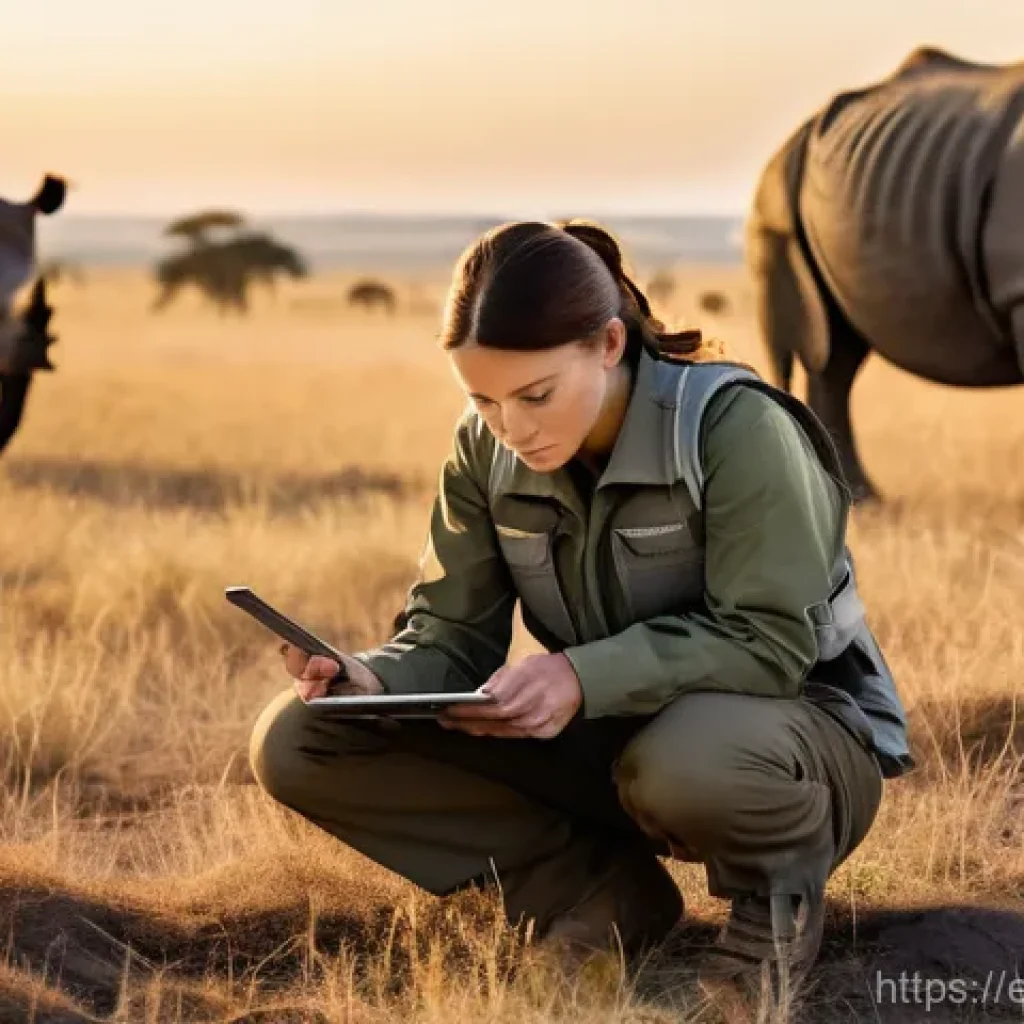
Imagine being able to patrol vast, inaccessible wilderness areas without physically being there. That’s exactly what AI and drone technology are allowing us to do. I’ve seen some incredible examples of this, like conservation groups using drones to spot poachers in African wildlife reserves from miles away, giving rangers a critical head start. It’s literally saving lives – both human and animal. Beyond surveillance, AI is being trained to analyze vast datasets of animal calls, camera trap footage, and satellite imagery to identify species, track populations, and even predict potential threats. For instance, I heard about a project where AI listens for the specific sounds of chainsaws in remote rainforests, alerting authorities to illegal deforestation immediately. It’s an absolute game-changer, allowing us to cover more ground, react faster, and make data-driven decisions that were simply impossible just a few years ago. It truly feels like these machines are becoming silent, tireless partners in our quest to protect biodiversity.
Genetic Rescue: Bringing Back Hope
This is where things get really fascinating, and perhaps a little controversial for some, but I find it incredibly compelling. Genetic rescue techniques are emerging as a radical new frontier in conservation, offering a glimmer of hope for species facing genetic bottlenecks or even extinction. We’re talking about things like “de-extinction” projects, where scientists are exploring the possibility of bringing back species like the woolly mammoth or passenger pigeon using advanced genetic engineering. While those projects are still largely theoretical and raise complex ethical questions, more immediate applications include techniques like genetic sequencing to identify vulnerable populations, or even cloning to increase the genetic diversity of critically endangered animals. I recently learned about efforts to use cryopreservation to store genetic material from endangered species, essentially creating a “frozen zoo” as an insurance policy against future losses. It’s a powerful testament to how far science has come, offering a potential lifeline to species that otherwise might have no chance. It makes you think about the incredible responsibility we have, and the amazing tools now at our disposal.
Restoring Nature’s Balance: The Power of Habitat Revitalization
Sometimes, the sheer scale of environmental degradation can feel incredibly disheartening, but I’ve personally witnessed the profound impact of habitat restoration projects, and let me tell you, it’s nothing short of inspiring. It’s about more than just planting a few trees; it’s a dedicated effort to bring ecosystems back from the brink, to heal the scars of human impact, and to allow nature to thrive once again. I recently volunteered at a local wetland restoration project, and seeing the transformation was truly mind-blowing. What was once a degraded, overgrown area slowly began to teem with life – migratory birds returning, insects buzzing, and native plants reclaiming their rightful place. It made me realize that even when things seem dire, nature has this incredible resilience, and with a little help from us, it can bounce back in remarkable ways. This isn’t just about making things look pretty; it’s about rebuilding the very foundations of healthy ecosystems, ensuring they can continue to provide all those essential services we talked about earlier. It truly feels like we’re giving the planet a much-needed second chance, one rehabilitated patch at a time.
Reclaiming What Was Lost: Wetland and Forest Renewal
Wetlands and forests are like the planet’s kidneys and lungs, respectively, and tragically, both have suffered immense losses globally. But the good news is, focused restoration efforts are proving incredibly effective. When I think of forest renewal, I imagine the vast rewilding projects happening in places like Scotland, where native woodlands are being allowed to regenerate, bringing back not just trees but entire communities of wildlife. And wetlands? They’re absolutely critical for filtering water, protecting coastlines from storms, and providing vital breeding grounds for countless species. I remember visiting a restored salt marsh that had been heavily impacted by development, and within a few years, it was vibrant again, hosting an incredible array of fish and birdlife. These projects aren’t easy; they require careful planning, significant investment, and often years of dedicated effort, but the payoff is immense. It’s a tangible way to reverse some of the damage we’ve done, and it really drives home the point that positive change is possible.
The Ripple Effect: How Healthy Habitats Benefit Us All
When we restore a habitat, it’s not just the plants and animals that benefit; there’s a massive ripple effect that comes back to us. Think about how healthy forests absorb carbon dioxide, helping to mitigate climate change, or how robust wetlands naturally purify our drinking water. It’s an investment in our own future, plain and simple. I’ve heard stories from communities living near restored coastal habitats that have seen a significant reduction in flood damage during storms, all thanks to the natural buffer provided by mangroves or salt marshes. Beyond the practical benefits, there’s also the sheer joy and mental well-being we gain from being surrounded by thriving nature. From my own experience, spending time in a flourishing natural area always rejuvenates me and helps me feel more connected. When we actively work to heal the land, we are, in a very real sense, healing ourselves and securing a healthier, more resilient world for everyone.
From Your Plate to the Planet: Embracing Sustainable Living
Okay, let’s get real for a moment about something incredibly personal that has a huge impact: what we eat and how we live our daily lives. I know, I know, it can feel like everything is complicated when you’re trying to be more sustainable, but trust me, even small shifts in our choices can create a massive positive ripple effect for biodiversity. I’ve been on my own journey trying to make more conscious decisions, from where I buy my groceries to how I manage waste, and it’s definitely an evolving process. It’s not about being perfect, but about being mindful. The way our food is produced, for example, has a direct and often profound impact on habitats, water quality, and the diversity of life around us. Learning about regenerative agriculture, for instance, totally blew my mind and gave me so much hope that we can feed the world without destroying it in the process. It’s about empowering ourselves, recognizing that our individual actions truly do matter, and choosing to support systems that work *with* nature, not against it. It’s a challenging but incredibly rewarding path, and honestly, it makes every meal feel like a tiny act of environmental stewardship.
Regenerative Agriculture: Farming for the Future
This is a topic that I’m incredibly passionate about because it offers such a hopeful vision for the future of food. Regenerative agriculture isn’t just about organic farming; it’s a holistic approach that focuses on improving soil health, enhancing biodiversity, and sequestering carbon directly in the land. Think about it – instead of depleting the soil, these practices actually build it up, making it more fertile and resilient. I’ve personally visited farms that practice regenerative grazing, where livestock are moved frequently across pastures, mimicking natural migratory patterns. The land there felt alive under my feet, teeming with worms and insects, and the plants were incredibly vibrant. It’s a stark contrast to conventional farming, which often relies heavily on monocultures and chemical inputs that degrade soil and harm local wildlife. Supporting regenerative farms means we’re contributing to healthier ecosystems, cleaner water, and more diverse landscapes. It’s a win-win-win, and frankly, it tastes better too, because healthy soil means healthier, more nutrient-dense food. It’s about rethinking our entire food system, and I think that’s incredibly exciting.
Conscious Consumption: Making Smarter Choices

Beyond farming practices, our everyday consumption habits also play a huge role. I’ve found that being a conscious consumer isn’t about deprivation; it’s about being informed and intentional. This means everything from choosing sustainable seafood (checking those labels!) to reducing food waste in our own kitchens. I once challenged myself to go a week with absolutely zero food waste, and while it was tough, it made me so much more aware of how much we often take for granted. It also extends to what we buy beyond food – clothing, electronics, home goods. Are they ethically sourced? Will they last? Can they be recycled or repaired? Every dollar we spend is a vote for the kind of world we want to live in. It’s about seeking out brands and products that align with our values and prioritizing quality and sustainability over fast fashion or disposable goods. It’s an ongoing learning process for me, but I genuinely feel better when I know my choices are supporting a healthier planet. Every little bit truly helps.
| Aspect | Conventional Farming Practices | Regenerative Agriculture Practices |
|---|---|---|
| Soil Health | Often depleted due to heavy tillage, chemical fertilizers, and pesticides, leading to erosion and nutrient loss. | Improved through minimal tillage, cover cropping, diverse rotations, and organic matter, enhancing fertility and water retention. |
| Biodiversity | Reduced due to monocultures, pesticide use, and habitat destruction, impacting insects, birds, and soil microbes. | Enhanced by diverse crops, integrated pest management (natural predators), and creating habitats for wildlife. |
| Water Usage | Can be high, often leading to runoff pollution from chemicals and excessive irrigation. | More efficient due to improved soil structure that retains water, reducing irrigation needs and runoff. |
| Carbon Footprint | High due to synthetic fertilizer production, heavy machinery, and soil carbon release from tillage. | Lower, with significant potential for carbon sequestration in the soil, actively removing CO2 from the atmosphere. |
| Pest & Disease Management | Relies heavily on synthetic pesticides and herbicides, leading to resistance and harming beneficial insects. | Employs natural pest control through healthy soil, diverse ecosystems, and beneficial insects, reducing chemical reliance. |
The Silent Guardians: Protecting Our Planet’s Most Vulnerable
When I think about the sheer diversity of life on Earth, it’s not just the big, charismatic animals that capture my imagination. There’s an incredible world of less visible, but equally vital, species that play critical roles in keeping our ecosystems healthy. These are often the “silent guardians,” the keystone species, or the myriad of creatures whose existence underpins entire food webs and environmental processes. It’s easy to overlook them, but their fate is deeply intertwined with ours. I often find myself reflecting on the interconnectedness of it all – how the tiniest plankton in the ocean supports massive marine life, or how specific plants provide food and shelter for entire insect communities. It’s a humbling reminder that conservation isn’t just about saving the things we find cute or majestic; it’s about safeguarding every single thread in the intricate tapestry of life. And when we truly grasp that, our responsibility feels even more profound, urging us to protect those who cannot speak for themselves.
Keystone Species: The Linchpins of Life
Have you ever heard the term “keystone species”? It’s such a powerful metaphor. Just like the keystone in an arch holds the entire structure together, these species have a disproportionately large effect on their natural environment relative to their abundance. If you remove them, the whole ecosystem can dramatically change or even collapse. For me, the classic example is the sea otter along the Pacific coast. They eat sea urchins, which in turn prevents the urchins from devouring kelp forests. Without otters, the kelp forests disappear, taking with them all the other marine life that depends on them. It’s an amazing illustration of how one species can be so pivotal. My own experience snorkeling in a healthy kelp forest, teeming with life, made me truly appreciate this. Protecting these keystone species is therefore a high-priority conservation strategy because it often means protecting an entire ecosystem. It’s like finding the master switch that keeps the lights on for everyone else, and our job is to make sure that switch stays flipped to “on.”
Indigenous Knowledge: Timeless Wisdom for Conservation
One of the most profound things I’ve learned on my journey into conservation is the immense value of indigenous knowledge. For generations, indigenous communities around the world have lived in harmony with nature, developing deep understandings of local ecosystems, sustainable resource management, and the intricate relationships between plants, animals, and humans. This isn’t just folklore; it’s empirical knowledge passed down through centuries, often proving far more effective than modern scientific approaches in specific contexts. I’ve read fascinating accounts of how traditional burning practices by indigenous peoples in Australia actually promote biodiversity and prevent larger, more destructive wildfires. It’s a powerful testament to living *with* the land, rather than simply exploiting it. Collaborating with these communities, respecting their traditions, and integrating their wisdom into modern conservation strategies is absolutely crucial. They are, in many ways, the original conservationists, and their insights offer invaluable pathways to a more sustainable future for all of us. It truly feels like a vital piece of the puzzle that we cannot afford to overlook.
Uniting for Tomorrow: The Global Push for a Greener Future
As much as I love talking about individual actions and local projects, it’s also incredibly important to zoom out and recognize the massive global effort underway to protect biodiversity. This isn’t just a problem for one country or one continent; it’s a challenge that demands collaboration on an international scale. I’ve been following the discussions at various international summits, and while progress can sometimes feel slow, the commitment from governments, NGOs, and passionate individuals around the world is truly inspiring. It’s about building a shared vision for a healthier planet, one where humans and nature can coexist and thrive. From ambitious agreements to protect vast stretches of ocean to cross-border initiatives safeguarding migratory species, these large-scale collaborations are absolutely essential for tackling issues that transcend political boundaries. It can be easy to get caught up in the daily news and feel overwhelmed, but when I look at the collective will to make a difference globally, it really gives me a profound sense of hope that we are, indeed, moving in the right direction, albeit with plenty of bumps along the road. It reminds me that we’re all in this together, and that shared responsibility is a powerful force for good.
International Pacts and Local Actions
The push for biodiversity conservation often involves a fascinating interplay between high-level international agreements and grassroots efforts right in our backyards. We have global conventions like the Convention on Biological Diversity, which sets ambitious targets for protecting ecosystems and species worldwide. These broad frameworks provide guidance and encourage countries to develop their own national strategies. But, honestly, where the rubber really meets the road is at the local level. I’ve seen communities rallying to protect a local river, volunteers planting native species in urban parks, and citizen science initiatives tracking local wildlife populations. These local actions are not just important; they are fundamental. They create a tangible impact and foster a sense of ownership and connection to nature that larger policies alone cannot. It’s like a powerful engine with many different parts working in sync: the big gears of international policy provide direction, while the smaller, numerous cogs of local action drive the actual change on the ground. Both are equally indispensable, and it’s truly amazing to see them complement each other.
My Personal Take: Why I’m Hopeful
So, after diving deep into all of this, you might be wondering if I’m an eternal optimist or just a little bit naive. Well, I’ll tell you, there are definitely days when the challenges feel immense, and it’s easy to get bogged down by the negative headlines. But honestly, despite all the difficulties, I remain profoundly hopeful for the future of biodiversity. Why? Because I see genuine passion, incredible innovation, and a growing understanding that protecting nature isn’t just an environmental issue; it’s a human issue. I’ve met so many dedicated people – scientists, conservationists, activists, and everyday individuals – who are pouring their hearts and souls into making a difference. I’ve witnessed firsthand the resilience of nature and the power of collective action. Every time a new technology emerges, every time a community successfully restores a habitat, and every time someone makes a more conscious choice, it fuels my belief that we *can* turn the tide. It’s not going to be easy, and there’s still a long way to go, but the momentum is building, and for me, that’s more than enough reason to stay optimistic and keep pushing forward. We’re capable of incredible things when we work together, and I truly believe our planet’s diverse life will benefit from our renewed commitment.
Concluding Thoughts
As we wrap up our journey through the incredible world of biodiversity and the crucial role we play in its future, I hope you feel as invigorated and hopeful as I do. It’s a vast, complex topic, but what truly resonates with me, and what I hope you take away, is that every single effort, big or small, makes a tangible difference. From the choices we make at the grocery store to supporting global conservation initiatives, our collective actions are painting a brighter picture for our planet’s diverse life. It truly feels like we’re at a pivotal moment, and it’s a privilege to be part of this movement toward a more sustainable and vibrant world for all.
Helpful Tips You Should Know
Here are a few actionable insights that I’ve personally found incredibly useful on my own journey, which I truly believe can help you make a positive impact on biodiversity and live a more sustainable life:
1. Rethink Your Plate: Seriously, consider incorporating more plant-based meals into your diet. I’m not saying go vegan overnight, but even reducing meat consumption a few days a week can significantly lessen your environmental footprint. Look for locally sourced produce when you can, and always check for sustainable certifications on seafood. It’s amazing how much difference a conscious meal can make!
2. Support Local & Ethical: When you’re shopping, whether it’s for clothes, coffee, or electronics, try to support brands that prioritize sustainability and ethical practices. Look for certifications, do a quick online search, or simply ask questions. Your dollar is a powerful vote, and directing it towards responsible businesses can drive systemic change. It’s something I’ve become quite passionate about myself.
3. Become a Citizen Scientist: This is one of my absolute favorite ways to engage! There are so many apps and organizations that allow you to contribute to real scientific research by simply observing and recording wildlife in your own backyard or local park. Think bird counts, insect surveys, or even tracking plant blooming times. It’s incredibly rewarding and directly helps conservation efforts, and frankly, it makes you feel like a secret agent for nature.
4. Reduce, Reuse, Recycle (and Refuse!): We hear this all the time, but it’s still so vital. Beyond just recycling, try to refuse single-use plastics whenever possible – carry a reusable water bottle, coffee cup, and shopping bags. And before you buy something new, ask yourself if you can repair, borrow, or buy it secondhand. I’ve found some amazing gems in thrift stores!
5. Speak Up and Share: Don’t underestimate the power of your voice. Talk to friends and family about what you’re learning, share interesting articles, or get involved with local conservation groups. Policy changes often start with public awareness and engagement. Even a simple post on social media highlighting a beautiful local natural area can inspire others to connect with and protect it. Every voice truly matters, and yours is no exception!
Key Takeaways
If you’re anything like me, you’ve probably absorbed a ton of information today, and that’s fantastic! But let’s distill it down to the absolute essentials, the bits that I keep coming back to when I think about our wild neighbors. First and foremost, remember that biodiversity isn’t just a fancy scientific term; it’s the very fabric of life on Earth, underpinning everything from the air we breathe to the food we eat. Every species, no matter how small or seemingly insignificant, plays a vital role in maintaining the delicate balance of our ecosystems, and when we lose one piece, the entire intricate web is weakened. It’s a sobering thought, but it’s also a powerful call to action that I personally feel very deeply.
Secondly, while the challenges are immense, the solutions are equally inspiring and, crucially, within our reach. We’ve explored everything from cutting-edge technology like AI-powered drones to ancient indigenous wisdom, and the common thread is clear: human ingenuity and a deep respect for nature are our strongest allies. I’ve witnessed firsthand the incredible resilience of ecosystems when given a chance to heal, and that truly fills me with hope. Our individual choices, from what we eat to how we consume, combined with collective efforts on local and global scales, are what will ultimately turn the tide. It really boils down to recognizing our profound interconnectedness with the natural world and choosing to act as stewards, not just inhabitants. Let’s keep this conversation going and continue to champion a vibrant, diverse planet for generations to come!
Frequently Asked Questions (FAQ) 📖
Q: Okay, so biodiversity conservation sounds super important, but honestly, what does it really mean for me, and why should I genuinely care?
A: You know, I totally get why it might feel a bit distant at first. We hear “biodiversity” and sometimes our minds jump straight to faraway rainforests or endangered pandas.
But here’s the thing I’ve really come to understand: biodiversity isn’t just out there; it’s right here, woven into the very fabric of our daily lives.
Think about it: the clean air we breathe? That’s thanks to diverse plant life. The fresh water we drink?
Filtered by healthy ecosystems, teeming with all sorts of tiny organisms. Even the food on our plates – from the coffee we sip to the veggies we eat – relies on healthy soil, pollinators like bees, and a vast web of species that keep everything in balance.
When that balance gets thrown off, we start seeing issues like less productive farmland, increased natural disasters, and even new health challenges. For me, realizing that protecting biodiversity isn’t just about saving exotic animals, but about safeguarding the fundamental services that keep us alive and thriving, really shifted my perspective.
It’s personal because it’s about our collective future, and frankly, our present comfort. It’s about ensuring our kids and grandkids get to experience the same incredible, life-giving planet we do.
Q: This whole thing feels massive, like a problem only governments or big organizations can fix. What can I, just one person, actually do to make a real difference?
A: I hear you! It’s easy to feel overwhelmed when faced with such enormous challenges, like we’re just a drop in the ocean. But honestly, that’s where the real power lies – in those drops!
My own journey has shown me that small, consistent actions from individuals can create ripples that turn into waves. For starters, think about what you consume.
Choosing products from companies committed to sustainable practices, reducing your waste (especially plastics!), and eating more locally and seasonally can dramatically reduce your environmental footprint.
I’ve personally found that simply being more mindful of where my food comes from and how much energy I’m using makes a huge difference in my daily choices.
Beyond that, consider volunteering with local conservation groups – whether it’s cleaning up a park, planting native species, or monitoring wildlife. Even educating yourself and sharing what you learn with friends and family is incredibly powerful.
Every conversation, every conscious choice, every bit of support for organizations doing incredible work, adds up. It’s not about being perfect, it’s about being purposeful, and trust me, your efforts truly matter.
Q: You mentioned cutting-edge tech and incredible innovation. What are some of these exciting new approaches, like
A: I or genetic rescue, actually accomplishing to protect biodiversity? A3: Oh, this is one of my favorite parts because it really injects a huge dose of hope into what can sometimes feel like a tough conversation!
It genuinely blows my mind how much human ingenuity is being poured into this. Take AI, for example. I’ve been following some projects where AI is literally listening to rainforests through acoustic sensors, identifying different species by their calls, and even detecting illegal logging or poaching in real-time.
It’s like having a tireless, super-smart guardian angel for vulnerable habitats! Then there’s genetic rescue, which sounds like something out of a sci-fi movie, right?
But it’s becoming a reality. Scientists are exploring ways to bolster the genetic diversity of critically endangered species, perhaps by reintroducing genes from museum specimens or even using advanced techniques to prevent inbreeding.
We’re talking about potentially bringing species back from the very brink. And let’s not forget regenerative agriculture – it’s not “tech” in the traditional sense, but it’s an innovative approach to farming that rebuilds soil health, increases biodiversity above and below ground, and actually captures carbon.
It’s truly inspiring to see how these diverse strategies, from high-tech solutions to ancient ecological wisdom, are converging to give our planet’s incredible diversity a fighting chance.