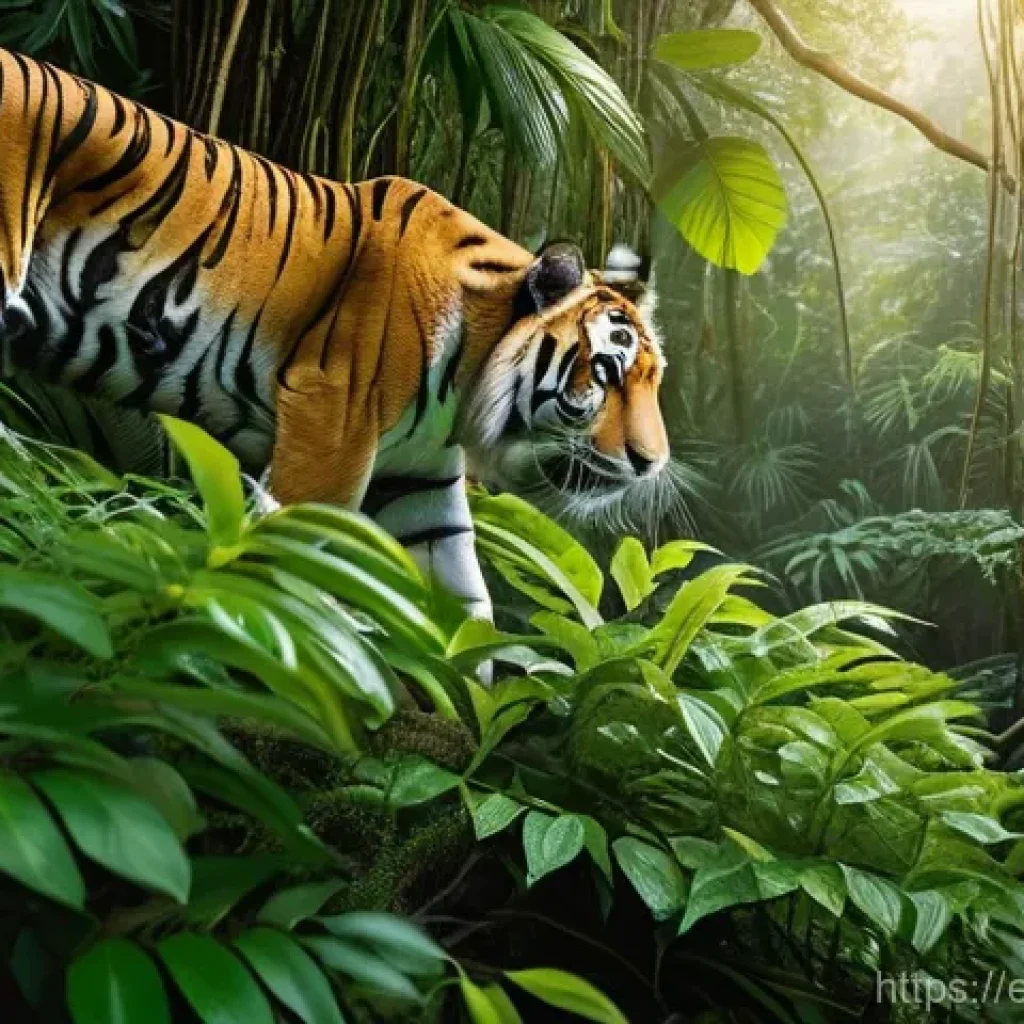
Hey there, amazing readers! Ever just stop and marvel at how far technology has come? It feels like we’re living in a sci-fi movie sometimes, doesn’t it?
Well, imagine taking that incredible innovation, specifically Artificial Intelligence, and pointing it directly at one of our planet’s most pressing challenges: protecting our precious ecosystems.
It’s truly mind-blowing what’s happening right now. From smart camera traps that can identify individual animals to drones that patrol vast wildernesses, AI is giving conservationists what I’d call superpowers, enabling us to monitor our world like never before.
I’ve been diving deep into this space, and honestly, the insights AI offers are revolutionizing everything from tracking endangered species in real-time to predicting habitat changes before they even happen.
We’re talking about a future where we can be proactive, not just reactive, in safeguarding biodiversity. It’s making conservation efforts smarter, faster, and way more effective, helping us make data-driven decisions that really count.
You might even find AI helping optimize reforestation projects, ensuring every sapling planted has the best chance to thrive! The possibilities are just immense, and it’s genuinely exciting to see how these cutting-edge tools are helping us preserve our natural world for generations to come.
This isn’t just theory; these are real applications making a tangible difference out there. Curious to know more about how AI is changing the game for ecological monitoring?
Let’s uncover the full story and explore how this incredible tech is making our planet a healthier place, one innovation at a time!
Glimpsing the Future: Smart Eyes on Our Wild Neighbors
Honestly, it’s wild to think about how far we’ve come with wildlife monitoring. Just a few decades ago, conservationists were spending countless hours manually sifting through camera trap photos or tracking animals with basic radio collars. While those methods were revolutionary in their time, AI is truly blowing them out of the water, offering what I’d call ‘superpowers’ to protect our planet’s precious creatures. Imagine a camera trap in the Amazon that doesn’t just snap a picture, but instantly identifies the species, logs its presence, and even recognizes individual animals, all in real-time! This isn’t science fiction anymore; it’s happening right now. AI-powered camera traps are transforming how we understand and protect wildlife, allowing us to collect data on an unprecedented scale and speed. This means we can automatically identify and count different species, distinguish between individuals, and even get real-time alerts if a rare or endangered animal is spotted. It’s like having millions of tireless, hyper-focused researchers spread across the globe, all working around the clock. My personal experience with even basic smart home tech tells me how much automation simplifies life, and seeing that applied to something as crucial as conservation is just incredible. It’s allowing us to make more informed decisions faster than ever before.
Beyond the Blurry Photo: Automated Species Identification
One of the coolest things AI does is automate species identification. Remember the days of trying to figure out what animal was in a grainy trail camera photo? AI has pretty much eliminated that headache. Using computer vision, these systems can analyze images and video footage from camera traps and drones, accurately identifying different species even in challenging conditions. What’s truly amazing is how these algorithms can filter out false triggers, like moving branches or bad weather, saving countless hours for researchers. It’s not just about naming the animal; it’s about understanding population sizes, tracking movements, and even observing behavioral patterns without disturbing the animals. And it’s not just for the pros; citizen science apps are also leveraging AI to let anyone identify species from a simple photo or sound recording, contributing to massive databases. I’ve used some of these apps myself, and they’re surprisingly accurate and incredibly fun!
High-Flying Helpers: Drones and Satellite Imagery
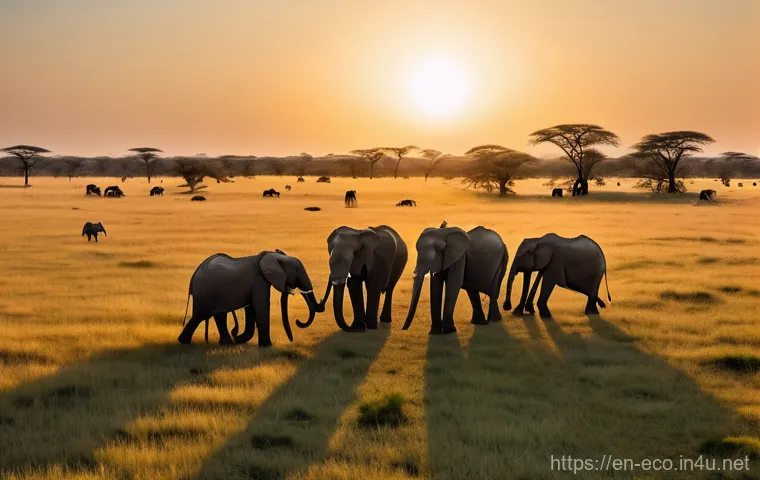
Beyond ground-level cameras, AI is taking to the skies. Drones, equipped with AI, are revolutionizing how we monitor vast wildernesses, especially in remote or inaccessible areas. These unmanned aerial vehicles can capture high-resolution images and videos from above, giving conservationists a bird’s-eye view of animal movements, habitat changes, and potential threats. For large animals like elephants, AI-powered drones can track herds across enormous distances, providing vital insights into their migration patterns and habitat use. When you combine this with AI analysis of satellite imagery, you get an incredibly powerful tool for understanding large-scale ecological patterns and detecting changes over time. It’s like having a permanent, omniscient scout reporting back on the health of our planet, giving us the big picture details we need to act proactively.
Nature’s Digital Guardians: Protecting Habitats and Preventing Crime
It’s not enough to just know what animals are out there; we also need to protect their homes and keep them safe from harm. This is where AI truly shines as a digital guardian. Traditional conservation methods, while valuable, often struggle to keep up with the sheer scale of environmental challenges, especially when it comes to things like illegal logging, habitat destruction, or, tragically, poaching. But AI is stepping in, offering solutions that make conservation efforts smarter, faster, and more effective. For me, knowing that cutting-edge technology is actively being deployed to fight these battles makes me feel a lot more hopeful about the future. It’s about leveraging every tool we have, and AI is proving to be one of the most powerful in the arsenal.
Mapping Ecosystem Health with Predictive Power
Understanding and mapping habitat conditions is absolutely crucial for effective conservation. AI algorithms are processing massive environmental datasets, including satellite imagery and remote sensor data, to create incredibly detailed maps of habitats. These maps highlight everything from vegetation cover and water sources to critical habitat features, allowing conservationists to identify areas of high conservation priority. What’s even more impressive is AI’s ability to use predictive modeling. By analyzing historical data and current trends, AI can forecast environmental changes, predict the spread of invasive species, or anticipate the impact of climate change on specific habitats. This means we can be proactive, addressing potential threats *before* they cause irreversible damage, rather than just reacting to crises. It’s like having a crystal ball for our ecosystems, guiding us to make the best decisions for nature’s future.
Outsmarting Poachers: AI on the Front Lines
Perhaps one of the most impactful applications of AI in conservation is its role in anti-poaching efforts. Poaching is a devastating global issue, threatening countless species, and traditional methods often can’t keep pace with increasingly sophisticated criminal networks. But AI is changing the game. Systems like PAWS (Protection Assistant for Wildlife Security) use predictive analytics, combining historical poaching data, geographical information, and behavioral patterns to identify high-risk areas and even optimize patrol routes for rangers. I’ve heard stories about how this has led to a dramatic reduction in poaching incidents in protected areas, sometimes by as much as 90%! AI-equipped cameras, like TrailGuard AI, can differentiate between humans and animals and send real-time alerts to park headquarters when potential poachers are detected, even in challenging conditions like low light. This isn’t just about catching criminals; it’s about saving lives and giving endangered species a fighting chance.
The Symphony of Nature: Listening In with AI
Have you ever just stopped to listen to the sounds of nature? The chirping birds, the rustling leaves, the distant calls of wildlife – it’s a beautiful symphony. But what if we could understand that symphony on a whole new level? That’s exactly what AI is helping us do with bioacoustics. My mind is absolutely blown by how this technology allows us to “listen” to entire ecosystems, gathering insights that were previously impossible to obtain. It’s a non-invasive, incredibly powerful way to monitor animal species and their interactions, especially those elusive creatures that are hard to spot with our own eyes. This isn’t just about identifying a single bird call; it’s about understanding the health and dynamics of an entire natural environment through its unique soundscape.
Decoding Animal Conversations: AI Bioacoustics
AI-powered bioacoustics involves training machine learning models to identify specific animal calls, songs, or other sounds within vast datasets of recorded audio. Think about how many hours a human expert would need to listen to recordings from hundreds of remote sensors spread across a forest or even underwater! AI can process these massive amounts of sound recordings, identifying species, tracking population movements, and even detecting threats like illegal logging or poaching through sound signatures, all at an incredible speed. It’s a game-changer for monitoring species that are nocturnal, shy, or live in dense habitats where visual observation is difficult. My own experience with voice assistants shows me how complex speech recognition is, so applying that kind of intelligence to the unpredictable sounds of the wild is nothing short of miraculous.
Early Warning Systems: What Sounds Tell Us
The insights gained from AI bioacoustics go far beyond simple species identification. By continuously monitoring the soundscape, conservationists can get real-time data on the presence and activity of wildlife. Changes in the frequency or types of animal vocalizations can act as early warnings for environmental shifts or human disturbances that might impact vulnerable species. For example, a sudden absence of certain bird calls could signal habitat degradation, or changes in frog vocalizations might indicate shifts in water quality. This continuous, non-invasive observation allows for quicker conservation decisions and more targeted interventions. It helps us understand how human activity affects wildlife, providing a broader database for assessing biodiversity and the overall health of different ecosystems. We’re essentially giving nature a microphone and letting AI translate its messages.
Healing Our Planet: AI in Reforestation and Restoration
As much as we need to protect what we have, we also need to actively heal the damage that’s been done. Reforestation and ecosystem restoration are absolutely critical for combating climate change, restoring biodiversity, and just generally making our planet healthier. But let’s be real, these projects are often massive undertakings, incredibly complex, and historically, pretty labor-intensive. That’s where AI truly shines, offering a smarter, more efficient way to bring our natural world back to life. It’s not just about planting trees; it’s about planting the *right* trees in the *right* places and ensuring they thrive. My experience with optimizing personal tasks tells me that even small efficiencies add up, and for something on the scale of global reforestation, AI’s optimizations are nothing short of transformative.
Smart Planting: Choosing the Right Tree, Right Place
One of the biggest challenges in reforestation is making sure that the trees planted actually survive and flourish. This means choosing native species that are best suited to specific local conditions, and considering future climate scenarios. AI, through advanced computer modeling and machine learning, can perform detailed analyses of thousands of ecological niches, helping us identify the diverse set of native species most likely to thrive. It’s a huge leap from traditional methods, where trial and error might have been the norm. Machine learning models analyze satellite imagery and environmental datasets to identify areas in dire need of restoration, predict suitable tree species for particular soil and climate conditions, and even monitor forest health over time. This data-driven decision-making ensures that every sapling planted has the best possible chance to grow into a resilient forest.
Monitoring Growth and Health from Above
Once trees are in the ground, the work isn’t over. Long-term monitoring of young forests is crucial but incredibly challenging over large or remote areas. This is another area where AI-powered drones and satellite-based sensors are making a huge difference. These technologies allow for continuous observation, tracking growth patterns, assessing vegetation health, and detecting early signs of threats like pests, diseases, or climate stressors with unprecedented accuracy. AI algorithms process all this imagery data, helping conservationists quantify the progress of reforestation programs and assess the overall health of newly planted trees. This kind of precision monitoring, at a lower cost than traditional manual surveys, is truly vital for ensuring the long-term success of these vital restoration projects and maximizing their impact on carbon sequestration and biodiversity.
Beyond Monitoring: AI’s Broad Impact on Environmentalism
It’s easy to focus on the flashy applications of AI in wildlife and habitat monitoring, but its influence stretches far beyond that, touching almost every facet of environmental protection. From how we manage our precious resources to how we predict and respond to natural disasters, AI is quietly, yet powerfully, reshaping our approach to a sustainable future. When I think about the sheer volume of data involved in environmental challenges, it’s clear that human analysis alone can’t keep up. That’s where AI truly becomes indispensable – its ability to process, interpret, and find patterns in massive datasets is accelerating global environmental action at an unprecedented speed and scale. It’s not just about making things more efficient; it’s about enabling insights and actions that were once impossible.
Optimizing Resource Management and Pollution Control
AI is making huge strides in helping us manage resources more wisely and tackle pollution head-on. In water management, for instance, AI systems analyze usage patterns and detect leaks, drastically reducing waste. In agriculture, AI-driven irrigation systems ensure crops get exactly the right amount of water, conserving this vital resource while boosting yields. And when it comes to waste, AI-powered automated sorting systems are making recycling far more efficient and accurate, maximizing material reuse and minimizing landfill waste. Imagine robots sifting through waste, identifying different materials with incredible precision – it’s happening! AI also plays a crucial role in pollution control, monitoring air and water quality in real-time, identifying pollution sources, and even predicting potential contamination events. These systems are helping us make better, data-driven decisions to protect both public health and ecological integrity.
Predicting and Mitigating Environmental Crises
One of the most profound ways AI contributes to environmentalism is by enhancing our ability to predict and respond to crises. Natural disasters, unfortunately, are becoming more frequent and intense, and AI is playing a crucial role in improving preparedness and response. Think about flood warning networks or forest fire detection systems; AI powers these by analyzing real-time data, predictive models, and advanced sensors to provide early warnings and actionable insights. This gives communities a better chance to reduce the devastating effects of these events. AI algorithms also help us understand the complex impacts of climate change by processing massive datasets on temperature, precipitation, and species distribution, allowing models to predict how ecosystems will respond to various climate scenarios. This foresight is invaluable for developing adaptive strategies and planning for resilience, helping us build a more sustainable future in the face of escalating environmental challenges.
The Power of Collaborative Intelligence: AI and Citizen Science
One of the most inspiring aspects of AI in conservation isn’t just the sophisticated algorithms or the high-tech gadgets, but how it’s democratizing environmental monitoring and fostering a sense of collective responsibility. It’s truly amazing how technology can bring people together for a common cause. AI is making it easier than ever for ordinary citizens to contribute to critical research and conservation efforts, transforming everyday observations into valuable scientific data. This synergy between advanced AI and human curiosity, what I like to call “collaborative intelligence,” is amplifying our ability to gather information and respond to environmental changes on a scale that would be impossible with scientists alone.
Engaging Everyone: Mobile Apps and Data Collection
Gone are the days when environmental monitoring was solely the domain of scientists in labs or remote field stations. Now, thanks to AI-powered mobile apps, anyone with a smartphone can become a citizen scientist. Apps like iNaturalist and PlantNet allow users to identify plant and animal species just by taking a photo, with deep learning models providing accurate identifications. This isn’t just a fun way to learn about nature; it’s building massive, invaluable databases on species distribution, migration patterns, and ecosystem diversity that feed directly into conservation efforts. My friends and I have downloaded these apps and it’s incredible how much you discover about the wildlife right in your backyard! It’s a fantastic way to engage local communities and empower individuals to actively participate in understanding and protecting their local environments.
Bridging Gaps: AI Amplifying Human Expertise

The beauty of AI in citizen science isn’t just in raw data collection; it’s in how AI complements and enhances human expertise. While citizens can collect vast amounts of observational data, AI algorithms can then process these enormous datasets, filtering out noise, identifying patterns, and even flagging anomalies that might need further scientific investigation. This partnership helps close critical knowledge gaps in what we know about species and their interactions, accelerating species discovery and improving ecosystem tracking. It allows professional conservationists to focus their efforts on more complex analytical tasks and strategic planning, knowing that a broad network of citizen scientists, empowered by AI, is continuously gathering foundational data. It’s a powerful feedback loop where human observation fuels AI, and AI insights then inform human action, creating a truly robust and scalable approach to biodiversity conservation.
Innovating for the Wild: Future Trends in Conservation AI
Looking ahead, it’s clear that AI’s journey in conservation is only just beginning. The pace of innovation is breathtaking, and I honestly get so excited thinking about the possibilities. What we’re seeing now is just the tip of the iceberg! As AI technologies continue to advance, we can expect even more sophisticated and integrated solutions that push the boundaries of what’s possible in environmental protection. The future isn’t just about better tools; it’s about a more holistic, interconnected approach to understanding and safeguarding our planet, with AI acting as a central nervous system for conservation efforts. This isn’t just about cool tech; it’s about building a sustainable future, and I truly believe AI will be an indispensable partner in that endeavor.
Deepening Insights: AI and Genetic Analysis
One really fascinating area where AI is poised to make a massive impact is in genetic analysis for conservation. Understanding genetic diversity is crucial for species resilience and adaptability, especially in the face of a changing climate. AI algorithms are already being leveraged in eDNA metabarcoding analysis, processing large volumes of genetic data extracted from environmental samples like water or soil. This allows for rapid and accurate identification and cataloging of species present in ecosystems, even elusive ones, far more efficiently than traditional methods. Imagine getting a snapshot of all the species in an entire lake from a single water sample, analyzed by AI! This accelerates biodiversity assessments and provides critical information for conservation planning and monitoring. My personal feeling is that this kind of insight, revealing the hidden layers of biodiversity, will unlock entirely new strategies for protecting vulnerable populations.
The Ethical Frontier: Ensuring Responsible AI Use
As with any powerful technology, the deployment of AI in environmental monitoring isn’t without its challenges and ethical considerations. While the benefits are immense, it’s vital to address issues like data privacy and security, potential algorithmic biases, and ensuring that AI is used responsibly in conservation decision-making. We need to make sure that these tools truly serve conservation science and practice, and not the other way around. There’s a growing conversation about transparency in AI, how to refine algorithms to reduce biases, and, crucially, how to expand data-sharing initiatives to improve AI model training. The goal is to maximize AI’s potential while mitigating any risks, ensuring that this incredible technology is a force for good, empowering local communities and fostering sustainable coexistence between people and wildlife. It’s a continuous learning curve, for both humans and machines!
AI as a Catalyst for Global Environmental Action
Honestly, seeing how AI is being embraced by conservationists worldwide gives me so much hope. It’s not just a fancy new gadget; it’s a genuine catalyst for global environmental action, helping us tackle some of the most complex challenges our planet faces. The sheer volume of data involved in understanding ecosystems, tracking species, and predicting environmental changes is simply overwhelming for human efforts alone. But AI thrives on that complexity, allowing us to process vast datasets, identify intricate patterns, and generate actionable insights at a speed and scale that were unimaginable just a few years ago. This isn’t just about making things a little bit better; it’s about fundamentally changing how we protect our natural world, moving us from reactive measures to proactive, data-driven interventions.
Integrated Data Platforms: A Unified View of Our Planet
Imagine a “mission control center” for Planet Earth, where all our vital environmental indicators can be seamlessly monitored. That’s essentially what AI is enabling through integrated data platforms. By connecting data streams from camera traps, satellite imagery, drones, acoustic sensors, and even citizen science initiatives, AI creates a unified database for comprehensive analysis. This holistic approach provides a much clearer picture of biodiversity patterns, population trends, and ecosystem health across vast areas. Platforms like Wildlife Insights, for example, use AI to filter out non-relevant images and identify species, allowing researchers to quickly generate biodiversity insights and monitor populations more efficiently. My experience tells me that when you can see the whole picture, you make much better decisions, and that’s precisely what these AI-powered platforms are offering to the conservation community.
Empowering Decision-Makers with Actionable Intelligence
Ultimately, all this incredible data and analysis comes down to one thing: enabling better, faster, and more effective conservation decisions. AI algorithms excel at extracting meaningful patterns from large volumes of data, information that might be incredibly challenging to discern through traditional methods. Whether it’s identifying key habitat corridors for migratory species, optimizing resource allocation for protected areas, or forecasting the impacts of climate change on ecosystems, AI empowers conservationists with actionable intelligence. This allows them to allocate resources more effectively, implement targeted interventions, and respond rapidly to emerging threats. It’s about ensuring that every dollar, every hour, and every effort dedicated to conservation has the maximum possible impact, safeguarding our planet’s biodiversity for generations to come.
Revolutionizing Research: Unlocking Nature’s Secrets
As someone who loves digging deep into new topics, I find the research aspect of AI in environmental monitoring utterly fascinating. It’s not just about practical applications right now; it’s also about how AI is fundamentally changing the way we *understand* the natural world. Traditional research methods, while foundational, often face limitations in terms of scale, speed, and the sheer complexity of ecological systems. AI is stepping in to smash through those barriers, allowing scientists to uncover nature’s secrets with unprecedented precision and insight. It’s truly a new era for ecological science, where our ability to observe, analyze, and learn from the environment is being supercharged.
Accelerating Species Discovery and Ecological Modeling
One of the most exciting promises of AI is its potential to accelerate species discovery, especially for those unknown millions of organisms that remain a mystery. AI-powered tools are already being used to detect species traits from images and identify new insects with automated monitoring platforms. Imagine how many new species are out there, waiting to be identified with the help of AI! Beyond discovery, machine learning models are revolutionizing ecological modeling. By simulating interactions between species and their environments, these models can predict how changes in factors like climate or habitat fragmentation might affect biodiversity patterns and ecosystem functioning. This predictive capability is a huge leap forward, helping researchers anticipate changes and develop proactive conservation strategies. My gut feeling is that we’re only scratching the surface of what AI can teach us about the intricate web of life on Earth.
Enhancing Data Analysis and Interpretation
The amount of data generated from various environmental sources – field surveys, remote sensing, citizen science projects – is massive and constantly growing. Trying to analyze all of this efficiently using traditional methods is a huge challenge. That’s where AI algorithms truly shine. They can process vast volumes of data in parallel, speeding up analysis and allowing researchers to extract meaningful insights from massive datasets in a timely manner. This includes everything from classifying land cover and identifying species from satellite imagery to interpreting complex acoustic data. The ability of AI to integrate data from diverse sources, harmonize formats, and even fill in gaps provides a more comprehensive and holistic view of biodiversity patterns and trends. It means researchers spend less time on manual data processing and more time on high-level analysis and generating groundbreaking scientific discoveries.
| AI Application Area | Description & Key Benefits | Example Tools/Methods |
|---|---|---|
| Wildlife Tracking & Identification | Automates species recognition and individual animal tracking from images and videos, saving vast amounts of manual labor and providing real-time data on populations and behavior. | AI-powered camera traps, drone vision systems, mobile identification apps (e.g., iNaturalist). |
| Habitat Monitoring & Mapping | Analyzes satellite and drone imagery to map ecosystem health, detect changes (e.g., deforestation, degradation), and identify critical habitats for protection. | Machine learning models for satellite image analysis, environmental DNA (eDNA) analysis with AI, predictive modeling for habitat suitability. |
| Anti-Poaching & Security | Detects suspicious activities and predicts poaching hotspots using surveillance data, enhancing ranger patrols and enabling rapid response to threats. | PAWS (Protection Assistant for Wildlife Security), TrailGuard AI camera systems, thermal imaging drones with AI. |
| Bioacoustic Monitoring | Processes large volumes of audio recordings to identify species by vocalizations, track population changes, and detect human disturbances non-invasively. | AI algorithms for sound recognition, remote acoustic sensors (e.g., passive acoustic monitoring systems). |
| Reforestation & Restoration | Optimizes tree planting by identifying suitable species for specific conditions, monitors forest health, and quantifies restoration progress over large areas. | Machine learning for ecological niche modeling, drone-based monitoring of sapling health, satellite imagery analysis for forest cover change. |
Addressing the Challenges: Responsible Innovation for Nature
While I’m incredibly optimistic about AI’s potential for environmental monitoring, I also believe it’s crucial to be realistic about the hurdles. Like any powerful tool, AI isn’t a magic bullet, and its implementation comes with its own set of complexities. It’s not just about the tech itself, but how we, as humans, choose to develop and deploy it. We need to be thoughtful, ethical, and always keep the bigger picture in mind. My experience has taught me that even the most amazing innovations require careful consideration to truly deliver on their promise and avoid unintended consequences. This means openly addressing the challenges and striving for “responsible innovation” to ensure AI remains a force for good in the natural world.
Data Quality and Accessibility: The Fuel for AI
One of the foundational challenges for effective conservation AI is the need for high-quality, comprehensive data. AI models are only as good as the data they’re trained on! Ecologically relevant datasets are often massive, complex, and sometimes inconsistent, originating from diverse sources. Harmonizing these different formats and resolving inconsistencies can be a huge task. Furthermore, data-sharing initiatives need to be expanded to improve AI model training, but this also brings up important questions about data privacy and security, especially when dealing with sensitive locations of endangered species or human activity. Ensuring that conservation organizations, especially those in resource-limited areas, have equitable access to both the data and the AI tools themselves is also critical for widespread impact. It’s a bit like building a high-performance car – you need not just the engine (AI), but also premium fuel (data) and a well-maintained road (infrastructure).
Ethical Considerations and Bias in Algorithms
As AI becomes more integral to conservation decision-making, we absolutely must grapple with ethical considerations. There’s always a risk of algorithmic bias, where the AI system might inadvertently perpetuate or even amplify existing inequalities or misunderstandings if its training data is skewed. For example, if an AI system is trained primarily on data from certain regions or species, it might perform less effectively in others. We also need to consider the potential for technology to be misused, such as sensitive animal location data falling into the wrong hands. Ensuring that AI tools respect the needs and best interests of the wildlife they study, and the local human communities living alongside them, is paramount. This means promoting transparency in how AI models are built and used, and actively engaging a diverse group of stakeholders – including local communities and indigenous peoples – in the development and deployment of these technologies. It’s a continuous dialogue, but one that’s essential for truly ethical and effective AI in conservation.
Wrapping Things Up
Wow, what a journey we’ve taken through the incredible world of AI in environmental monitoring! It’s genuinely inspiring to see how technology, once seen as separate from nature, is now becoming one of its most powerful allies. From the subtle rustle of leaves identified by smart sensors to vast landscapes mapped by AI-powered drones, it feels like we’re finally giving nature the voice it deserves, and developing the tools to truly listen. My own hope for the future of our planet feels so much stronger knowing that dedicated scientists, conservationists, and even everyday folks like us, are leveraging these amazing innovations. It’s a testament to human ingenuity applied for the greater good, constantly evolving to help us protect our precious wild neighbors and the ecosystems they call home.
Handy Bites of Wisdom
1. AI-powered camera traps are revolutionizing wildlife identification and tracking, allowing researchers to count species, recognize individuals, and monitor populations in real-time, saving countless hours of manual review.
2. Drones and satellite imagery, enhanced by AI, provide invaluable insights into vast and remote areas, helping to track large animal movements, detect habitat changes, and identify threats like illegal logging from above.
3. Bioacoustics, driven by AI, can ‘listen’ to entire ecosystems, processing massive amounts of audio to identify animal calls, track population health, and even detect human disturbances without direct intervention.
4. In anti-poaching efforts, AI uses predictive analytics and real-time alerts to optimize patrol routes and detect intruders, significantly increasing the effectiveness of rangers and protecting endangered species on the front lines.
5. For reforestation and ecosystem restoration, AI helps identify the most suitable native species for planting based on environmental conditions, and then monitors the growth and health of newly planted areas for long-term success.
Key Takeaways
Ultimately, AI isn’t just a fancy gadget; it’s a game-changer, transforming environmental monitoring from reactive measures to proactive, data-driven interventions. It empowers us to understand, protect, and restore our natural world with unprecedented speed and accuracy, fostering a collaborative intelligence between humans and machines. By enhancing data analysis, enabling predictive modeling, and even engaging citizen scientists, AI is proving to be an indispensable tool for safeguarding biodiversity and building a more sustainable future for all. However, its responsible and ethical development remains paramount to ensure it truly serves the best interests of nature and humanity.
Frequently Asked Questions (FAQ) 📖
Q: Hey there! So, when we talk about
A: I giving conservationists “superpowers,” what does that actually look like on the ground? Can you share some real-world examples that really show this magic in action?
A1: Absolutely! It’s one thing to talk about AI in theory, but seeing it in action is truly inspiring. From what I’ve seen, one of the biggest game-changers is the use of AI-powered camera traps.
Imagine these smart cameras nestled in a dense forest, not just snapping photos, but actually using artificial intelligence to instantly identify individual animals, like a specific tiger or a rare bird.
This isn’t just about cool photos; it means conservationists get real-time data on population numbers and movements, helping them understand how species are doing without constant human intervention.
For instance, projects like the WWF’s have deployed AI-driven camera traps and drones in wildlife reserves, making monitoring so much more efficient. Then there are drones, oh my goodness, drones!
They’re not just for capturing stunning aerial footage anymore. Equipped with AI, these drones can patrol vast, often inaccessible areas, spotting illegal logging or poaching activities in real-time.
I heard about a phenomenal effort where AI-powered drones were used to monitor elephant herds in Africa, giving crucial data on their locations to prevent human-wildlife conflicts and protect against poachers.
And it’s not just visual data; AI can analyze acoustic sensors to listen for the distinct sounds of chainsaws or gunshots in a rainforest, alerting authorities to illegal activities almost immediately.
It’s like having an invisible, super-smart guardian watching over our wild spaces, making sure conservation efforts aren’t just guesses, but data-driven power moves.
Q: That sounds incredibly effective! But how exactly does
A: I achieve this “smarter, faster, and more effective” conservation? What’s the underlying mechanism that makes it such a powerful tool compared to traditional methods?
A2: That’s a fantastic question because it gets right to the heart of why AI is such a breakthrough. The “secret sauce,” as you put it, really boils down to three core things: unparalleled speed, predictive power, and the ability to process what I’d call ‘super-sized’ data.
Traditional conservation often relied on manual surveys, which are absolutely vital but can be slow, expensive, and limited in scope. Enter AI: it can process vast amounts of data – think satellite images, drone footage, acoustic recordings, and sensor data – at a speed and scale that’s just impossible for humans to match.
This means we get insights in real-time. Instead of waiting weeks or months to analyze data and react to a problem, AI can flag an anomaly – a change in forest cover, a sudden drop in animal numbers, or even the tell-tale sound of illegal activity – almost instantaneously.
This rapid feedback loop enables conservation teams to respond much faster, sometimes even preventing damage before it happens, which is a total game-changer for critical situations like poaching or illegal logging.
Beyond just reacting, AI’s predictive modeling capabilities are mind-blowing. By analyzing historical data and current environmental factors, AI can forecast potential threats, like the spread of invasive species, the impact of climate change on specific habitats, or even where poaching might occur next.
This shifts conservation from being purely reactive to incredibly proactive. My experience tells me that moving from a “wait and see” approach to an “anticipate and act” strategy is where AI truly shines, allowing us to allocate limited resources much more strategically and effectively.
It’s about being many steps ahead, not just one.
Q: It’s amazing to hear how
A: I is making such a difference in real-time monitoring and predictions. But looking ahead, how else is AI helping to preserve our natural world for future generations, beyond just keeping an eye on things?
Are there ways it’s actively helping to heal or restore ecosystems? A3: That’s where the story gets even more exciting for me! While monitoring is crucial, AI’s role extends far beyond just observing; it’s actively contributing to healing and restoring our planet, ensuring that future generations inherit a healthier world.
One area where I’ve seen incredible impact is in habitat restoration and reforestation projects. AI algorithms can analyze ecological data, everything from soil quality to climate patterns, to identify degraded areas that are ripe for restoration.
More than that, they can recommend the best native plant species for a given location and even optimize planting strategies, ensuring every sapling planted has the highest chance of thriving.
I even heard about a company using AI-equipped drones to map forests and plant seeds in the most optimal habitats, which is just brilliant! It means less guesswork and more successful, resilient ecosystems.
Then there’s the whole realm of sustainable resource management. AI is revolutionizing agriculture with “precision farming,” minimizing water and fertilizer use by analyzing soil conditions and crop health in real time, drastically reducing ecological footprints.
It’s also making huge strides in waste management, with AI-powered robots sorting recyclables with incredible accuracy, boosting recycling rates and keeping more waste out of landfills.
And for the really big picture, AI is instrumental in climate change modeling and adaptation. It can process vast climate datasets to forecast how ecosystems will respond to different climate scenarios, helping us identify crucial “climate refugia” – safe havens for species – and develop smart adaptation strategies.
It’s about empowering us to not just understand climate change, but to actively plan and build resilience into our natural systems. Essentially, AI is giving us a blueprint for a more sustainable future, guiding us in making smarter, more impactful decisions that will truly benefit generations to come.