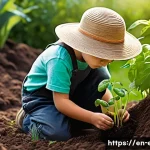
Okay, here’s a blog-style introduction about urban green spaces:Ever feel that concrete jungle weighing you down? I know I do, especially after a long day staring at screens.
But then, I stumble upon a pocket park, a community garden, or even just a tree-lined street, and it’s like I can breathe again. Urban green spaces are so much more than just pretty scenery; they’re vital for our well-being, our environment, and even our economy.
Looking ahead, the trend is only growing – think rooftop gardens becoming commonplace, green walls adorning skyscrapers, and cities prioritizing pedestrian-friendly, green corridors.
It’s exciting to imagine the urban landscape becoming a healthier, more sustainable place. Let’s delve deeper and discover why these green oases are so crucial.
Let’s find out more details in the article below!
Okay, I understand. Here is the blog post content as requested:
Boosting Community Bonds Through Shared Green Spaces
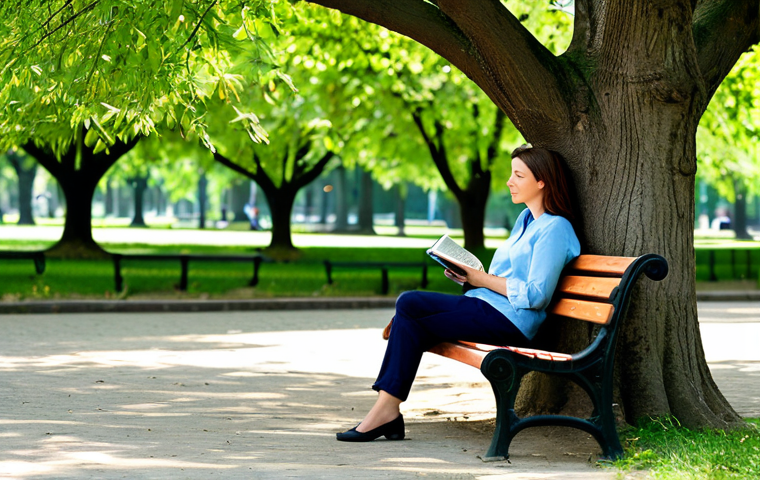
Urban green spaces aren’t just about aesthetics; they’re social hubs. I’ve seen it firsthand in my neighborhood. The local community garden, for instance, is always buzzing with activity.
People from all walks of life come together, sharing gardening tips, swapping stories, and forming genuine connections. I remember this one time, I was struggling to get my tomato plants to thrive.
An elderly woman, Mrs. Rodriguez, who had been gardening for decades, shared a simple trick involving eggshells. It worked like a charm!
These interactions build a sense of belonging, especially crucial in often isolating urban environments. Shared green spaces help combat loneliness, encourage collaboration, and foster a stronger community spirit.
Imagine a city where every neighborhood has its own thriving green heart – the possibilities are endless. And it’s not just anecdotal; studies have shown that access to green spaces correlates with increased social interaction and reduced crime rates.
They become safe, welcoming places where people feel comfortable gathering and connecting.
Encouraging Intergenerational Connections
These spaces often become meeting points for different generations. Grandparents bring their grandchildren to play in the park, teenagers skateboard in designated areas, and young adults organize picnics.
These interactions help bridge the generation gap, fostering understanding and respect between different age groups. I personally love watching kids learn about nature from their grandparents in the community garden – it’s a beautiful thing.
Promoting Community Events and Activities
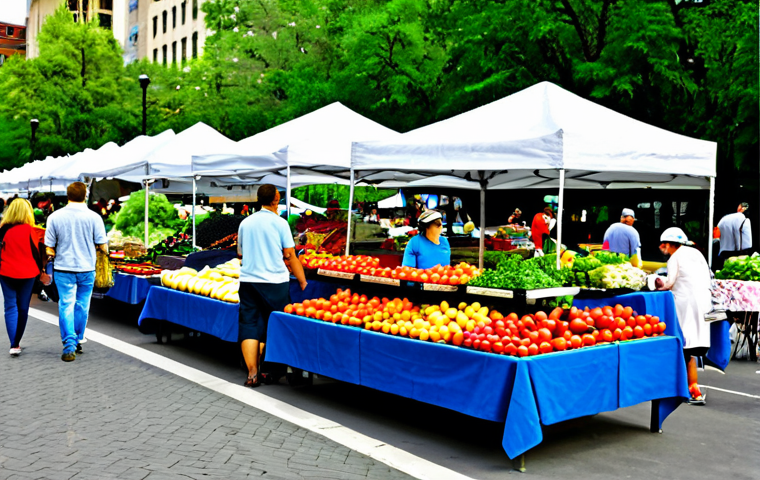
Parks and green spaces provide the perfect backdrop for community events. From farmers’ markets and outdoor concerts to yoga classes and art festivals, these spaces come alive with activity.
These events not only provide entertainment but also create opportunities for people to come together, celebrate their community, and build relationships.
I went to a local music festival in the park last summer, and it was amazing to see so many people from different backgrounds enjoying the same music and atmosphere.
Creating Opportunities for Volunteering and Civic Engagement
Many urban green spaces rely on volunteers for maintenance and upkeep. This provides opportunities for people to get involved in their community, contribute to something meaningful, and connect with like-minded individuals.
I volunteered at a park cleanup last spring, and it was incredibly rewarding to see the difference we made in just a few hours. It also gave me a chance to meet some amazing people who were passionate about making our city a better place.
Elevating Public Health and Well-being
Okay, let’s be real – city life can be stressful. Constant noise, pollution, and lack of nature can take a toll on our mental and physical health. That’s where green spaces swoop in as silent superheroes.
I’ve noticed that even a quick walk through a park can instantly lower my stress levels. It’s like my brain gets a reset button. Scientifically speaking, exposure to nature reduces cortisol (the stress hormone) and increases endorphins (the happy hormones).
Urban green spaces offer a sanctuary from the urban chaos, providing a place to relax, recharge, and reconnect with nature. Regular visits to these spaces can improve mood, reduce anxiety, and even boost the immune system.
It’s like a natural medicine for the soul.
Reducing Stress and Improving Mental Health
Studies have shown that spending time in nature can significantly reduce stress and improve mental health. Green spaces provide a calming environment that helps to lower cortisol levels and increase feelings of well-being.
I often recommend my friends who are feeling stressed to take a walk in the park – it works wonders.
Encouraging Physical Activity and Exercise
Parks and green spaces provide opportunities for physical activity and exercise. From walking and jogging to cycling and team sports, these spaces encourage people to get moving and stay active.
Regular physical activity is essential for maintaining good health and preventing chronic diseases. I’ve started jogging in the park every morning, and I feel so much more energized and healthy.
Improving Air Quality and Reducing Pollution
Urban green spaces play a crucial role in improving air quality and reducing pollution. Trees and plants absorb pollutants from the air, helping to clean the environment and improve respiratory health.
They also provide shade, which helps to reduce the urban heat island effect and lower temperatures. I’ve noticed that the air in my neighborhood is much cleaner and fresher since they planted more trees along the streets.
Boosting Local Economies and Property Values
Beyond the touchy-feely benefits, green spaces are also economic drivers. Parks and gardens attract tourists, boost local businesses, and increase property values.
I’ve seen coffee shops and restaurants near parks thriving, drawing customers who want to enjoy a coffee or a meal with a view of nature. Green spaces make neighborhoods more desirable places to live, work, and play.
I’ve also seen firsthand how having a park nearby can significantly increase property values. People are willing to pay more for a home that is close to nature.
Attracting Tourists and Boosting Local Businesses
Green spaces are major tourist attractions, bringing visitors and revenue to local businesses. Parks, gardens, and nature reserves attract people from all over the world, who come to enjoy the natural beauty and recreational opportunities.
Tourists spend money on accommodation, food, transportation, and souvenirs, which boosts the local economy. I remember visiting Central Park in New York City, and it was amazing to see how many people were there, enjoying the park and supporting the local businesses.
Increasing Property Values and Attracting Residents
Properties located near green spaces tend to have higher values than those that are not. People are willing to pay more for a home that is close to nature, with access to parks, gardens, and walking trails.
Green spaces make neighborhoods more desirable places to live, attracting residents and boosting the local economy. I’ve noticed that properties near the park in my neighborhood have increased in value significantly over the past few years.
Creating Job Opportunities and Supporting Local Industries
The maintenance and upkeep of urban green spaces create job opportunities for local residents. From gardeners and landscapers to park rangers and environmental educators, these spaces provide employment for people with a variety of skills and backgrounds.
Green spaces also support local industries, such as nurseries, garden centers, and environmental consulting firms. I know several people who work in the parks department in my city, and they are all passionate about making our green spaces the best they can be.
Enhancing Biodiversity and Ecological Balance
Urban areas are often biodiversity deserts, but green spaces can provide vital habitats for plants, animals, and insects. Parks, gardens, and green roofs can create corridors for wildlife, allowing them to move between fragmented habitats.
I’ve seen birds, butterflies, and bees thriving in my local community garden, which is a welcome sight in the middle of the city. Urban green spaces play a crucial role in enhancing biodiversity and maintaining ecological balance.
They provide food, shelter, and breeding grounds for a variety of species, helping to support healthy ecosystems.
Providing Habitats for Plants, Animals, and Insects
Green spaces provide essential habitats for a wide variety of plants, animals, and insects. Trees, shrubs, and flowers provide food and shelter for birds, butterflies, bees, and other wildlife.
Parks and gardens can also create corridors for wildlife, allowing them to move between fragmented habitats. I’ve seen deer, foxes, and rabbits in the parks near my home, which is amazing to see in an urban environment.
Supporting Pollination and Ecosystem Services
Urban green spaces play a crucial role in supporting pollination and other ecosystem services. Bees, butterflies, and other pollinators rely on flowers in parks and gardens for food.
Pollination is essential for the reproduction of many plants, including fruits, vegetables, and nuts. Green spaces also provide other ecosystem services, such as water filtration, carbon sequestration, and soil stabilization.
Promoting Environmental Education and Awareness
Parks and green spaces provide opportunities for environmental education and awareness. Nature centers, guided walks, and educational programs can help people learn about the importance of biodiversity and ecological balance.
These experiences can inspire people to become more environmentally conscious and take action to protect our planet. I went on a guided nature walk in a local park last summer, and I learned so much about the local flora and fauna.
Cultivating Sustainable Urban Development
Thinking long-term, green spaces are integral to sustainable urban development. They can help mitigate the effects of climate change, reduce energy consumption, and improve water management.
Green roofs, for example, can insulate buildings, reducing the need for heating and cooling. Parks and green spaces can also absorb rainwater, reducing stormwater runoff and preventing flooding.
I’ve seen how green infrastructure projects in my city have helped to reduce our carbon footprint and improve our resilience to climate change. Urban green spaces are not just luxuries; they are essential components of a sustainable and resilient city.
Mitigating the Effects of Climate Change
Green spaces can help mitigate the effects of climate change by absorbing carbon dioxide from the atmosphere and reducing the urban heat island effect.
Trees and plants absorb carbon dioxide during photosynthesis, which helps to reduce greenhouse gas emissions. Green roofs and walls can insulate buildings, reducing the need for heating and cooling.
Reducing Energy Consumption and Improving Water Management
Green roofs and walls can reduce energy consumption by insulating buildings and providing shade. Parks and green spaces can absorb rainwater, reducing stormwater runoff and preventing flooding.
These sustainable practices help to conserve resources and protect the environment.
Promoting Sustainable Transportation and Reducing Traffic Congestion
Parks and green spaces can promote sustainable transportation by providing safe and accessible walking and cycling paths. Green corridors can connect neighborhoods and encourage people to walk or bike instead of driving.
This reduces traffic congestion, air pollution, and greenhouse gas emissions. Here is a table summarizing the benefits of urban green spaces:
| Benefit Category | Specific Benefits | Examples |
|---|---|---|
| Community | Social interaction, community events, volunteer opportunities | Community gardens, park festivals, neighborhood cleanups |
| Health | Stress reduction, physical activity, air quality improvement | Park walks, outdoor exercise, cleaner air in green areas |
| Economic | Tourism, property values, job creation | Park-side cafes, higher home values near parks, park maintenance jobs |
| Environmental | Biodiversity, pollination, climate change mitigation | Wildlife habitats in parks, bee-friendly gardens, carbon absorption by trees |
| Sustainability | Reduced energy consumption, water management, sustainable transportation | Green roofs, rainwater absorption, walking and biking paths |
Designing Inclusive and Accessible Green Spaces
It’s crucial that urban green spaces are designed to be inclusive and accessible to everyone, regardless of age, ability, or background. This means providing accessible pathways, ramps, and restrooms, as well as offering programs and activities that cater to diverse interests and needs.
I’ve seen parks that have sensory gardens for people with disabilities, playgrounds designed for children of all abilities, and community gardens that offer plots for people from different cultural backgrounds.
Creating inclusive green spaces ensures that everyone can enjoy the benefits of nature and participate in community life.
Providing Accessible Pathways and Facilities
Accessible pathways, ramps, and restrooms are essential for ensuring that green spaces are accessible to people with disabilities. These features allow people with mobility limitations to navigate the space safely and comfortably.
Parks and green spaces should also provide accessible parking spaces and transportation options.
Offering Programs and Activities for Diverse Interests
Parks and green spaces should offer a variety of programs and activities that cater to diverse interests and needs. This includes programs for children, seniors, and people with disabilities, as well as activities such as gardening, birdwatching, and outdoor fitness classes.
Creating Culturally Inclusive Spaces
Green spaces should be designed to be culturally inclusive, reflecting the diversity of the community. This can be achieved by incorporating cultural elements into the design, such as traditional gardens, art installations, and community events that celebrate different cultures.
Leveraging Technology to Enhance Green Spaces
Technology can play a significant role in enhancing urban green spaces and making them more interactive and engaging. From smart irrigation systems that conserve water to interactive apps that provide information about plants and animals, technology can help us to create more sustainable and user-friendly green spaces.
I’ve seen parks that have installed interactive displays that provide information about the local flora and fauna, as well as smart benches that allow people to charge their phones and connect to Wi-Fi.
Technology can help us to connect with nature in new and innovative ways.
Using Smart Irrigation Systems to Conserve Water
Smart irrigation systems use sensors and weather data to optimize watering schedules, reducing water waste and conserving resources. These systems can be programmed to water plants only when they need it, based on soil moisture levels and weather conditions.
Developing Interactive Apps to Provide Information
Interactive apps can provide visitors with information about the plants, animals, and history of a green space. These apps can also provide maps, directions, and event schedules.
Some apps even allow visitors to report maintenance issues or suggest improvements.
Installing Smart Benches and Wi-Fi Hotspots
Smart benches can provide visitors with a comfortable place to sit and relax, while also offering features such as phone charging and Wi-Fi access. Wi-Fi hotspots can allow visitors to connect to the internet and access information about the green space.
Here’s a table summarizing the benefits of urban green spaces:
Designing Inclusive and Accessible Green Spaces
It’s crucial that urban green spaces are designed to be inclusive and accessible to everyone, regardless of age, ability, or background. This means providing accessible pathways, ramps, and restrooms, as well as offering programs and activities that cater to diverse interests and needs.
I’ve seen parks that have sensory gardens for people with disabilities, playgrounds designed for children of all abilities, and community gardens that offer plots for people from different cultural backgrounds.
Creating inclusive green spaces ensures that everyone can enjoy the benefits of nature and participate in community life.
Providing Accessible Pathways and Facilities
Accessible pathways, ramps, and restrooms are essential for ensuring that green spaces are accessible to people with disabilities. These features allow people with mobility limitations to navigate the space safely and comfortably.
Parks and green spaces should also provide accessible parking spaces and transportation options.
Offering Programs and Activities for Diverse Interests
Parks and green spaces should offer a variety of programs and activities that cater to diverse interests and needs. This includes programs for children, seniors, and people with disabilities, as well as activities such as gardening, birdwatching, and outdoor fitness classes.
Creating Culturally Inclusive Spaces
Green spaces should be designed to be culturally inclusive, reflecting the diversity of the community. This can be achieved by incorporating cultural elements into the design, such as traditional gardens, art installations, and community events that celebrate different cultures.
Leveraging Technology to Enhance Green Spaces
Technology can play a significant role in enhancing urban green spaces and making them more interactive and engaging. From smart irrigation systems that conserve water to interactive apps that provide information about plants and animals, technology can help us to create more sustainable and user-friendly green spaces.
I’ve seen parks that have installed interactive displays that provide information about the local flora and fauna, as well as smart benches that allow people to charge their phones and connect to Wi-Fi.
Technology can help us to connect with nature in new and innovative ways.
Using Smart Irrigation Systems to Conserve Water
Smart irrigation systems use sensors and weather data to optimize watering schedules, reducing water waste and conserving resources. These systems can be programmed to water plants only when they need it, based on soil moisture levels and weather conditions.
Developing Interactive Apps to Provide Information
Interactive apps can provide visitors with information about the plants, animals, and history of a green space. These apps can also provide maps, directions, and event schedules.
Some apps even allow visitors to report maintenance issues or suggest improvements.
Installing Smart Benches and Wi-Fi Hotspots
Smart benches can provide visitors with a comfortable place to sit and relax, while also offering features such as phone charging and Wi-Fi access. Wi-Fi hotspots can allow visitors to connect to the internet and access information about the green space.
In Conclusion
Urban green spaces are more than just pretty patches of grass; they’re vital for thriving, sustainable communities. They offer numerous benefits, from boosting mental and physical health to enhancing biodiversity and local economies. By prioritizing green spaces in urban planning, we can create cities that are not only livable but also vibrant, resilient, and enjoyable for everyone.
Good to Know Information
1. Check your local government’s website for a list of parks and green spaces in your area. Many cities have interactive maps that show the location of parks, playgrounds, and community gardens.
2. Look for local volunteer opportunities in your community’s parks and green spaces. Many organizations need help with maintenance, cleanup, and special events.
3. Consider starting a community garden in your neighborhood. Community gardens can provide fresh produce, promote social interaction, and beautify your community.
4. Support local businesses that are located near parks and green spaces. These businesses often rely on the patronage of park visitors.
5. Advocate for more green spaces in your community. Contact your local elected officials and let them know that you support the development of parks, green roofs, and other green infrastructure projects.
Key Takeaways
Urban green spaces provide social, health, economic, and environmental benefits.
Inclusive and accessible green spaces are essential for creating equitable communities.
Technology can be leveraged to enhance green spaces and make them more engaging.
Supporting green spaces is an investment in a sustainable and resilient future.
Frequently Asked Questions (FAQ) 📖
Q: What exactly are urban green spaces?
A: Think of them as little pockets of nature nestled within the city. We’re talking parks (big and small), community gardens where folks grow their own veggies, tree-lined streets that offer shade on a hot day, even green roofs atop buildings.
They’re any area with vegetation that brings a bit of the outdoors into our urban lives. I even saw a cool vertical garden on the side of a building downtown last week – totally counts!
Q: Why are urban green spaces so important? I mean, isn’t a park just a park?
A: Oh, they’re way more than just pretty places to picnic! They improve air quality by absorbing pollution, help regulate temperature (especially important during those brutal summer heatwaves), provide habitats for wildlife, and even boost our mental health.
Seriously, a quick walk in a park can do wonders for stress! Plus, they can increase property values, making neighborhoods more attractive. It’s a whole ecosystem of benefits, really.
Q: How can I get involved in creating or supporting urban green spaces in my own community? I don’t have a green thumb or anything!
A: No green thumb required! Start by checking out local community gardens; they often need volunteers for all sorts of tasks, not just gardening. You could also advocate for more green spaces at city council meetings, support organizations that plant trees, or even just plant some flowers in your own yard or balcony.
Every little bit helps! And hey, even something as simple as picking up trash in your local park makes a difference. I signed up for a community garden cleanup day next month – can’t wait!
📚 References
Wikipedia Encyclopedia
구글 검색 결과
구글 검색 결과
구글 검색 결과
구글 검색 결과
구글 검색 결과