Hey there, fellow explorers of the unseen! Have you ever paused to consider the incredible, bustling universe that thrives silently within and all around us?
It’s not just about us big creatures; there’s a whole unseen world of microbes orchestrating life as we know it, and honestly, the more I delve into it, the more utterly captivated I become.
I’ve personally been on this journey of discovery for a while, and trust me, microbial ecosystem research is not just for scientists in lab coats anymore.
From revolutionizing our understanding of gut health and its profound links to mental well-being, to offering innovative solutions for sustainable agriculture and even tackling climate change, these tiny powerhouses are literally shaping our future.
The latest breakthroughs, powered by cutting-edge tools like metagenomics and AI-driven data analysis, are opening doors to personalized medicine and environmental remediation that we could only dream of just a few years ago.
It’s a field brimming with possibilities, continuously unveiling secrets that directly impact our daily lives and the health of our planet. If you’re ready to journey into this microscopic frontier and uncover why understanding these intricate ecosystems is more vital than ever, then you’re in the right place.
Let’s peel back the layers and truly grasp the immense power of the microbial world together!
The Unseen Architects of Our Inner World
You know, for years, I just thought of “gut health” as a buzzword, something talked about in health food stores. But diving into the world of microbial ecosystems, I’ve realized it’s so much more profound than just a catchy phrase. Our bodies, particularly our digestive systems, are bustling cities of microscopic life, a vibrant community of bacteria, fungi, and viruses that are constantly working behind the scenes. And honestly, it’s mind-boggling to think about how these tiny residents dictate so much of our overall well-being. From what I’ve observed and read, a truly balanced gut microbiome isn’t just about digestion; it’s a foundational pillar for everything from our immune system’s resilience to our mood and even our cognitive function. It’s a delicate dance, a constant negotiation between beneficial and less desirable microbes, and maintaining that harmony is like tending to a precious garden. When things are in sync, you feel it – a clarity, an energy, a general sense of being “on.” But when that balance tips? Oh boy, that’s when you really start to notice the ripple effects throughout your entire system. It’s a journey of self-discovery, really, understanding how to support these microscopic allies.
Decoding Your Gut’s Hidden Language
One of the most exciting aspects, from my perspective, is how we’re finally starting to truly understand the incredibly complex communication happening within our guts. It’s not just a one-way street; these microbes are producing compounds, signaling to our brains, influencing our metabolism, and even shaping our immune responses. Think of it like a highly sophisticated, internal communication network, and sometimes, if you’re not careful with your diet or lifestyle, you’re sending mixed signals. I’ve personally seen how making small, consistent changes in my food choices, leaning into fermented foods and diverse plant fibers, can feel like tuning into a clearer channel. It’s like feeding your inner garden exactly what it needs to flourish, and the results are often quite tangible, from better digestion to improved energy levels that genuinely surprise you.
Beyond Digestion: The Gut-Brain Axis Revealed
Remember when people thought the gut was just for processing food? Oh, how far we’ve come! The connection between our gut and our brain, often called the gut-brain axis, is an area that absolutely fascinates me. It’s a two-way street, with signals traveling constantly between our enteric nervous system (the “second brain” in our gut) and our central nervous system. I’ve noticed in my own life how stress can wreak havoc on my digestion, and conversely, how a happy gut seems to contribute to a calmer, more focused mind. Researchers are now exploring how microbial imbalances could play a role in conditions like anxiety, depression, and even neurodegenerative diseases. It’s truly a frontier where personalized medicine is starting to bloom, offering us a more holistic view of mental wellness that goes way beyond traditional approaches. It makes you think about food in a completely different light, doesn’t it?
Cultivating a Greener Planet: Microbes in Agriculture
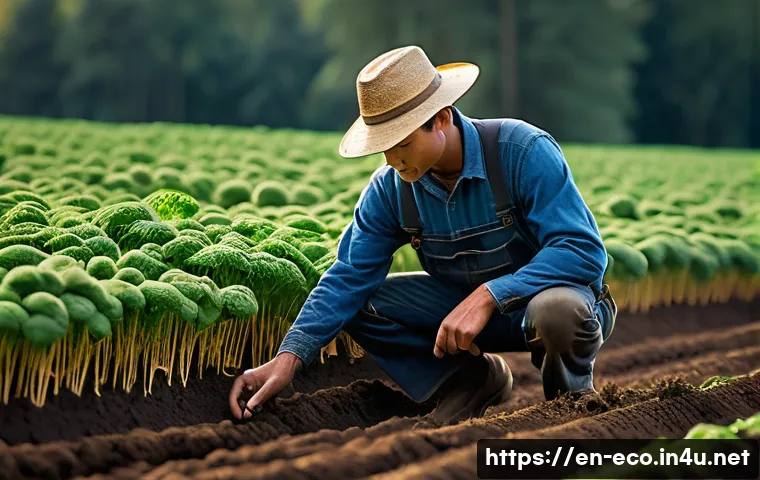
Stepping out of our bodies and into the vastness of our planet, the role of microbes in agriculture is equally, if not more, awe-inspiring. For too long, we’ve relied on harsh chemicals and unsustainable practices, often unknowingly harming the very soil that nourishes us. But what I’ve learned through my exploration is that there’s a silent revolution happening underground, powered by microbial communities that are essential for healthy soil, robust plant growth, and ultimately, a more sustainable food system. It’s like discovering that the tiny, invisible workers beneath your feet are actually the master architects of a thriving farm. When I first started digging into this, pun intended, I was struck by how much potential we’ve overlooked. Imagine reducing the need for synthetic fertilizers and pesticides, simply by understanding and nurturing the natural microbial ecosystems in the soil. It’s not just an idealistic dream; it’s a tangible reality that farmers and scientists are actively working towards, creating a future where our food is grown more efficiently and harmoniously with nature. This shift isn’t just good for the environment; it’s also about ensuring the long-term health and productivity of our agricultural lands, which is something we all depend on.
Boosting Crop Yields Naturally
One of the most practical applications of microbial research in agriculture is in naturally boosting crop yields. We’re talking about beneficial bacteria and fungi that can enhance nutrient uptake, protect plants from disease, and even help them withstand environmental stresses like drought. I remember reading about a specific type of fungus that forms a symbiotic relationship with plant roots, essentially extending the plant’s root system and allowing it to access water and nutrients more effectively. It’s a natural partnership that has existed for millennia, and we’re just now really tapping into its full potential. Farmers are starting to inoculate their fields with these beneficial microbes, seeing incredible results without the environmental toll of chemical alternatives. For me, it’s a powerful reminder that nature often has the best solutions, we just need to listen and learn from its intricate designs, moving away from a mindset of ‘conquering’ nature to one of ‘collaborating’ with it. The implications for food security globally are immense.
Microbial Solutions for Soil Health
Healthy soil isn’t just dirt; it’s a living, breathing ecosystem, and guess who’s doing most of the breathing? You guessed it – microbes! They play a critical role in decomposing organic matter, cycling nutrients, and improving soil structure, which in turn leads to better water retention and aeration. I’ve seen some incredible examples where degraded farmlands, once barren and unproductive, have been revitalized through the careful reintroduction and cultivation of diverse microbial communities. It’s not an overnight fix, but a sustained effort that yields remarkable long-term benefits, transforming lifeless dirt into fertile ground capable of supporting vibrant crops season after season. This focus on soil biology is a game-changer, offering a path towards regenerative agriculture that not only feeds us but also heals the land. It feels like a more respectful, more intelligent way to grow our food, ensuring that future generations inherit a planet with rich, productive soils.
Tiny Titans Tackling Grand Environmental Challenges
When you think about solving some of our planet’s biggest environmental problems, like pollution or climate change, the image of tiny microbes probably isn’t the first thing that springs to mind. Yet, what I’ve discovered is that these microscopic powerhouses are, quite literally, on the front lines, offering incredibly innovative and sustainable solutions. It’s a bit like finding out the smallest gears in a massive machine are actually doing some of the heaviest lifting! From breaking down toxic waste to capturing carbon dioxide, their natural capabilities are being harnessed in ways that are truly revolutionary. I’ve always been a bit of an optimist when it comes to human ingenuity, but seeing how scientists are learning from and enhancing these natural microbial processes makes me genuinely excited for our planet’s future. It’s not about inventing completely new technologies from scratch, but rather understanding and leveraging the biological wisdom that has been evolving for billions of years right beneath our noses. The more I learn, the more I realize that the solutions to some of our most pressing global issues might just be found in the most unassuming of places.
Microbial Remediation: Cleaning Up Our Mess
One of the most impactful applications I’ve come across is microbial remediation. This is where specific bacteria or fungi are used to break down pollutants in contaminated soil and water. Think about oil spills, chemical waste sites, or even plastics that are accumulating in our oceans. Traditional clean-up methods can be incredibly costly, labor-intensive, and sometimes even create new problems. But with bioremediation, we’re employing nature’s own clean-up crew. I recently read about a project where certain microbes were introduced to an industrial site heavily contaminated with petroleum hydrocarbons, and over time, they effectively broke down the harmful compounds into harmless byproducts. It’s a natural, cost-effective, and often more thorough way to restore ecosystems. It gives me a lot of hope to see how we’re learning to work with, rather than against, the natural processes of our planet.
Microbes in the Fight Against Climate Change
The role of microbes in addressing climate change is also gaining significant traction, and it’s a topic that personally resonates with me. They are crucial players in global carbon and nitrogen cycles. Scientists are exploring ways to leverage microbial processes for carbon capture, potentially turning atmospheric CO2 into useful products or sequestering it safely in soils. Imagine bacteria that can ‘eat’ carbon dioxide, or enhance the soil’s ability to store carbon, effectively pulling greenhouse gases out of the atmosphere. While these are complex challenges, the potential for microbial solutions is enormous. It’s not a magic bullet, but an essential piece of a multi-faceted strategy to mitigate global warming. The ingenuity of these tiny organisms, working collectively on a global scale, truly underscores their importance in maintaining the delicate balance of our planet.
The Future is Microscopic: Personalized Health and Beyond
When I think about the future of health and medicine, it’s increasingly clear to me that microbes are going to be at the absolute forefront. We’re moving beyond a one-size-fits-all approach and truly stepping into an era of personalized care, and much of that journey is guided by the unique microbial fingerprints we all carry. It’s not just about broad categories anymore; it’s about understanding the intricate nuances of *your* specific microbial community and how it interacts with *your* genetics, *your* diet, and *your* lifestyle. I’ve been following the developments in this area with bated breath, and trust me, the possibilities are nothing short of astounding. Imagine treatments tailored not just to your DNA, but to the ecosystem thriving inside you, offering precision and efficacy we could only dream of a decade ago. It feels like we’re on the cusp of a medical revolution, where our invisible companions hold the keys to unlocking unprecedented levels of health and well-being, pushing the boundaries of what we thought was even possible for personalized intervention.
Tailoring Treatments Through Microbial Insights
The concept of “personalized medicine” is gaining real traction, and a significant part of that is due to our growing understanding of individual microbiomes. Researchers are now able to analyze a person’s unique microbial composition and correlate it with their predisposition to certain diseases, their response to medications, and even their nutritional needs. I’ve seen discussions about how this could lead to highly targeted probiotic therapies, dietary recommendations, or even novel drug designs that work in harmony with a patient’s microbial landscape. For instance, some cancer treatments are showing improved efficacy when a patient has a particular gut microbiome profile. It’s about leveraging this incredibly detailed biological data to create health strategies that are truly bespoke, moving away from broad assumptions and towards precise, individualized care. This level of insight promises to transform how we prevent and treat illness.
Preventative Health Strategies Powered by Microbes
What excites me even more than tailored treatments is the potential for proactive, preventative health. By understanding the microbial markers associated with good health and disease risk, we could potentially intervene much earlier. Imagine routine microbiome screenings becoming as common as cholesterol checks, allowing us to identify imbalances before symptoms even appear. I envision a future where dietary advice and lifestyle recommendations are custom-made based on your unique microbial profile, helping you maintain optimal health and potentially avert chronic conditions. It’s about empowering individuals with the knowledge to actively cultivate a thriving internal ecosystem, shifting the focus from treating illness to sustaining wellness. This proactive approach, fueled by microbial science, offers a powerful pathway to a healthier future for everyone.
Unlocking the Unseen: Cutting-Edge Tools in Microbial Research
If you’d told me a decade ago that we’d be able to map out entire microbial communities with such precision, I might have chuckled. But here we are, thanks to some truly mind-blowing technological advancements! The sheer volume of data we can now collect and analyze is changing the game entirely, allowing us to peer into these hidden worlds with unprecedented clarity. It’s like going from a blurry black-and-white photo to a high-definition IMAX film, revealing details and interactions we never even knew existed. From my perspective, this leap in capability is what’s truly fueling the rapid breakthroughs we’re seeing across so many fields, from medicine to agriculture to environmental science. These aren’t just fancy gadgets; they’re instruments of discovery, allowing us to ask bigger questions and uncover more profound answers about the microscopic universe that shapes our lives. It’s an exciting time to be an observer, and even more so, a participant in this incredible era of discovery.

Metagenomics: Reading Nature’s Code
One of the true marvels of modern microbial research is metagenomics. Forget trying to grow individual microbes in a lab; metagenomics allows us to extract all the DNA directly from an environmental sample – be it soil, water, or a gut sample – and then sequence it. This gives us a comprehensive snapshot of every single gene present in that community, telling us not only *who* is there but also *what* they are potentially capable of doing. I find this absolutely revolutionary because it finally overcomes the limitation of culturing, which only allowed us to study a tiny fraction of existing microbes. With metagenomics, we’re getting a much more complete picture of the microbial biodiversity and functional potential in any given ecosystem. It’s like deciphering a complex secret language, revealing the hidden talents and roles of countless unseen organisms, and it’s truly transforming our understanding.
AI and Big Data: Making Sense of the Microbial Mess
The explosion of data generated by tools like metagenomics would be overwhelming without the power of artificial intelligence and advanced computational methods. We’re talking about petabytes of information, far too much for any human to sift through manually. This is where AI comes in, crunching numbers, identifying patterns, and making connections that would otherwise remain hidden. From machine learning algorithms that predict microbial interactions to sophisticated bioinformatics pipelines that assemble genomes from fragmented DNA sequences, AI is an indispensable partner in microbial research. I’ve seen how these tools accelerate discovery, allowing researchers to quickly test hypotheses and uncover novel insights. It’s a perfect synergy: cutting-edge biological techniques generating vast amounts of data, and intelligent algorithms making sense of it all to drive new discoveries and applications. It’s truly a testament to how interdisciplinary science is becoming.
From Sea to Soil: The Global Reach of Microbes
It’s easy to get caught up in how microbes affect us personally, or in specific applications like agriculture. But when you zoom out, the sheer scale of their influence on Earth’s ecosystems is truly breathtaking. They are everywhere, from the deepest oceans to the highest mountains, from scorching deserts to frozen tundras, silently orchestrating planetary processes that are fundamental to life itself. I often find myself pondering the vastness of the microbial world, realizing how interconnected everything truly is. The air we breathe, the water we drink, the very ground beneath our feet – all are profoundly shaped by these unseen entities. It’s a humbling thought, recognizing that for billions of years, before us, these microscopic organisms were running the show, and they continue to do so in ways we are only just beginning to fully appreciate. Their global reach isn’t just a scientific fact; it’s a powerful reminder of the delicate balance of our planet and our place within it. The more we understand this intricate web, the better equipped we are to protect and preserve it for future generations.
Oceanic Microbes: The Lungs of Our Planet
When you think of the ocean, you probably picture whales or coral reefs, but for me, the true unsung heroes are the oceanic microbes. These tiny organisms, particularly phytoplankton and cyanobacteria, are responsible for generating a massive portion of the oxygen we breathe – roughly half of it, in fact! They’re essentially the lungs of our planet, performing photosynthesis on a colossal scale. Beyond oxygen production, they also play a critical role in the global carbon cycle, absorbing vast amounts of CO2 from the atmosphere. I’ve always found it incredible how such a fundamental process, vital for all life on Earth, is driven by organisms you can’t even see with the naked eye. Protecting these marine microbial ecosystems is paramount, not just for the health of our oceans, but for the very air we breathe, highlighting just how interconnected every part of our biosphere truly is.
Microbes Shaping Terrestrial Ecosystems
On land, microbes are equally indispensable. They are the primary decomposers, breaking down dead organic matter and returning essential nutrients to the soil, making them available for plants. Without them, our planet would be buried under mountains of debris, and nutrient cycles would grind to a halt. From the forest floor to your backyard garden, these microbes are tirelessly working, maintaining soil fertility and supporting plant growth. I’ve also been fascinated by how different microbial communities thrive in diverse terrestrial environments, each adapted to its unique conditions, influencing everything from the type of vegetation that can grow to the overall health of the ecosystem. It’s a constant, dynamic interplay that showcases the incredible adaptability and importance of microbial life in shaping every corner of our terrestrial world. They are the unseen hands that maintain the very fabric of our natural landscapes.
| Microbial Ecosystem Role | Key Benefit to Humans/Planet | Example Microbes Involved |
|---|---|---|
| Gut Health Regulation | Improved digestion, immunity, mental well-being | Bifidobacterium, Lactobacillus |
| Sustainable Agriculture | Enhanced crop yields, reduced chemical use, soil health | Mycorrhizal fungi, Rhizobium bacteria |
| Environmental Remediation | Breakdown of pollutants (oil, plastics, toxins) | Pseudomonas, certain Fungi |
| Climate Change Mitigation | Carbon capture, greenhouse gas reduction | Cyanobacteria, methanotrophs |
| Oxygen Production | Generates a large portion of atmospheric oxygen | Phytoplankton, Prochlorococcus |
글을마치며
Honestly, delving into the microbial world has been a truly eye-opening experience for me, shifting my entire perspective on health, agriculture, and even our planet’s future. It’s wild to think that these invisible powerhouses, so often overlooked, are actually the fundamental architects of life as we know it. From balancing our inner ecosystems for better mood and immunity to literally cleaning up our planet and shaping sustainable food systems, their influence is just immense. I truly hope this journey into their world has sparked as much curiosity in you as it has in me, inspiring a deeper appreciation for the tiny titans that make our world go round. Remember, even the smallest things can have the biggest impact.
알아두면 쓸모 있는 정보
1. I’ve personally found that incorporating a variety of fermented foods like kimchi, sauerkraut, yogurt, and kombucha into my daily diet is a fantastic way to introduce diverse beneficial bacteria to your gut. It’s like sending a welcome wagon to your inner ecosystem, and you’ll often notice a genuine difference in your digestion and energy levels pretty quickly. Experiment with different types to find what your body loves most.
2. Don’t underestimate the power of plant-based fiber! It’s not just roughage; it’s the primary fuel source for your beneficial gut bacteria. Load up on fruits, vegetables, whole grains, and legumes. Think of it as feeding your microscopic allies so they can thrive and do their best work for you. My plate always looks like a rainbow, and my gut thanks me for it.
3. I’ve definitely learned that the gut-brain axis is a two-way street, and stress can wreak havoc on your microbiome. Finding healthy ways to manage stress, whether it’s through meditation, yoga, spending time in nature, or just taking a few deep breaths, can have a surprisingly positive ripple effect on your gut health. It’s all interconnected, trust me on this one.
4. While I always advocate for food-first approaches, if you’re looking into probiotic supplements, do your research. Not all probiotics are created equal. Look for reputable brands with diverse strains and colony-forming units (CFUs) that are clinically studied for your specific needs. Consulting with a healthcare professional can help you choose the right one, as their insights are invaluable.
5. Remember, the microbial world extends far beyond your gut. From the soil in your garden to the air you breathe, microbes are everywhere, playing crucial roles. Supporting sustainable agriculture and being mindful of environmental impact indirectly helps maintain healthy microbial ecosystems globally, which ultimately benefits us all. It’s a holistic perspective that truly makes a difference.
중요 사항 정리
Reflecting on all this, the biggest takeaway for me is just how profound and pervasive the influence of microbes truly is. We’re talking about tiny organisms that are foundational to our personal health, the sustainability of our food systems, and the very vitality of our planet. Understanding them isn’t just academic; it’s empowering. By nurturing our own microbiomes and supporting microbial diversity in the wider environment, we’re not just chasing trends; we’re actively participating in a smarter, healthier, and more sustainable future. It’s about working *with* nature, not against it, and realizing that true well-being, both personal and planetary, is deeply rooted in these unseen worlds. Your choices, however small, resonate with these mighty microscopic allies, creating a powerful ripple effect towards a better tomorrow. This journey has certainly taught me that.
Frequently Asked Questions (FAQ) 📖
Q: So, you’re saying there’s this whole invisible world around and inside us? What exactly are these microbial ecosystems, and honestly, why should an everyday person like me even bother learning about them?
A: Oh, absolutely! It’s like discovering a secret city that’s been there all along, bustling with life! When I talk about microbial ecosystems, I mean the complex communities of tiny organisms – bacteria, fungi, viruses, and more – that live together in pretty much every environment you can imagine: in our guts, in the soil, in the oceans, even on your skin!
Think of them as the unsung heroes of our planet, constantly working behind the scenes. And why should you care? Because they’re fundamentally linked to everything that keeps us and our world going.
For instance, after years of struggling with my own digestion, diving into the world of my gut microbiome was a game-changer. I realized these little guys aren’t just digesting my food; they’re impacting my mood, my energy levels, and even how well my immune system fights off sniffles.
It’s not just a scientific curiosity; it’s a direct link to your personal well-being and the health of the very planet we call home. Understanding them is truly about understanding ourselves and our place in the natural world.
Q: You hinted that these tiny powerhouses are shaping our future. Can you give me some concrete examples of how microbial ecosystems are actually impacting big-picture stuff like sustainability or even climate change? This sounds incredibly futuristic!
A: You got it! It absolutely sounds futuristic, but the truth is, it’s happening right now, and it’s exhilarating to watch. When I first started digging into this, I was blown away by the sheer scope of their influence.
Take agriculture, for example. We’re moving beyond heavy chemical fertilizers, thanks to understanding how microbes in the soil can naturally boost plant growth, protect against diseases, and even help crops draw nitrogen from the air.
This isn’t just about bigger harvests; it’s about making our food system more sustainable and reducing our environmental footprint. And climate change?
Believe it or not, microbes are at the forefront of solutions there too! They play a massive role in cycling carbon and other greenhouse gases. Researchers are exploring how specific microbial communities can even help us capture carbon dioxide or convert waste into biofuels.
I mean, think about it: tiny organisms cleaning up pollution, producing energy, and making our farms greener. It’s truly mind-boggling how much potential these unseen workers hold for a healthier, more sustainable future for everyone.
Q: With all these amazing discoveries, what’s next for microbial ecosystem research?
A: re there any breakthroughs on the horizon that you’re particularly excited about, or that might directly affect us in the near future? A3: This is my favorite part because the pace of discovery is just incredible!
Honestly, it feels like we’re just scratching the surface, and what’s coming next is going to be revolutionary. I’m personally buzzing about the advancements in personalized medicine.
Imagine tailoring treatments, or even diets, based on the unique microbial signature in your gut. With tools like metagenomics and super-smart AI analyzing vast amounts of data, we’re getting closer to understanding how to tweak our individual microbial communities for optimal health, preventing diseases before they even start.
For instance, I recently read about studies where they’re exploring how specific gut microbes could influence our response to cancer treatments, which is just astounding!
Beyond that, I’m thrilled about the potential for environmental remediation. Picture microbes being deployed to clean up oil spills or break down plastic waste more efficiently than ever before.
It’s not just about fixing problems, but truly transforming our interaction with the environment. The way I see it, these aren’t just laboratory experiments; these are glimpses into a future where we harness the smallest forms of life to solve some of our biggest challenges, and honestly, that’s a future I’m incredibly excited to be a part of.