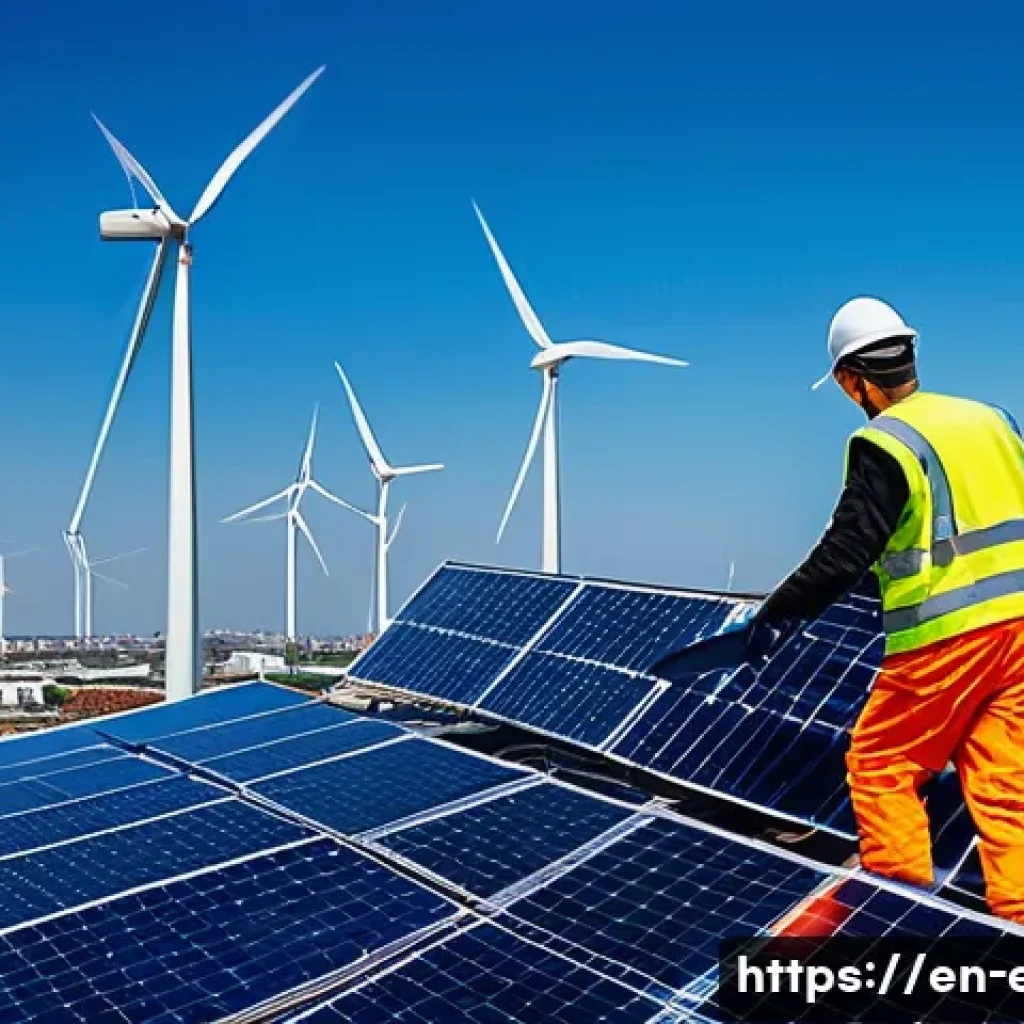
Understanding the delicate balance between economic growth and environmental protection has never been more crucial. Environmental economics explores how natural resources and ecosystems influence economic decisions and vice versa.
With climate change and sustainability at the forefront of global discussions, policies shaped by this field can drive impactful change. These strategies not only aim to reduce pollution and conserve biodiversity but also promote long-term economic resilience.
By examining market-based solutions like carbon pricing and regulatory frameworks, we get a clearer picture of how economies can thrive while respecting nature.
Let’s dive deeper into this fascinating intersection and uncover the key insights that shape our future. I’ll guide you through the essentials with clarity and real-world examples!
The Economics Behind Environmental Choices
How Resource Scarcity Shapes Market Behavior
When natural resources become scarce, markets don’t just adjust in price; they shift entire consumption and production patterns. Take water scarcity in drought-prone regions—farmers often switch to less water-intensive crops, and industries innovate to recycle water more efficiently.
From my own experience working with community projects, I’ve seen how pricing signals can nudge consumers to reduce waste, effectively balancing demand without heavy-handed regulation.
This dynamic demonstrates that scarcity isn’t just a problem; it’s an economic signal prompting smarter resource use.
Externalities and Their Role in Environmental Costs
Externalities occur when the social or environmental costs of an activity aren’t reflected in market prices. For example, a factory emitting pollutants might not bear the full health costs borne by nearby residents.
This disconnect leads to overproduction of harmful goods. Understanding these externalities is crucial because it highlights why markets alone can’t solve environmental issues.
Governments often step in with taxes or regulations to internalize these costs, ensuring the true price of goods reflects their environmental impact. From what I’ve observed, when companies face these real costs, they innovate toward cleaner alternatives faster.
Valuing Ecosystem Services: Beyond Dollars and Cents
Ecosystem services like pollination, water purification, and carbon sequestration often go unnoticed in economic calculations. Yet, their loss can cause catastrophic economic damage.
For instance, the decline in bee populations threatens agriculture and food security worldwide. Assigning economic value to these services helps policymakers justify investments in conservation.
In my conversations with environmental economists, they emphasize that quantifying these benefits makes environmental protection economically rational, not just ethically desirable.
Market-Based Tools Driving Sustainable Change
Carbon Pricing: From Theory to Practice
Carbon pricing, whether through taxes or cap-and-trade systems, puts a direct cost on emitting greenhouse gases. This approach incentivizes businesses to reduce emissions and invest in cleaner technologies.
Countries like Sweden and Canada have implemented carbon taxes with measurable reductions in emissions, demonstrating real-world success. Personally, I’ve seen companies re-engineer supply chains once faced with carbon costs, showing how economic incentives can be powerful drivers of sustainability.
Tradable Permits and Emission Caps
Cap-and-trade programs limit total emissions but allow companies to buy and sell emission permits. This flexibility encourages reductions where they are cheapest, lowering overall costs.
The European Union’s Emissions Trading System (EU ETS) is a prime example, covering thousands of industries and significantly cutting emissions since its inception.
From industry reports I’ve reviewed, firms often pass cost savings from trading permits into innovation budgets, accelerating green tech development.
Subsidies and Incentives for Green Innovation
Governments frequently use subsidies to encourage renewable energy, electric vehicles, and energy efficiency. While some criticize subsidies as market distortions, they can jumpstart technologies that would otherwise struggle against entrenched fossil fuels.
In my experience attending energy conferences, experts stress that well-targeted subsidies can create new industries and jobs, ultimately benefiting the economy while protecting the environment.
Regulatory Approaches and Their Economic Impacts
Command-and-Control vs. Flexible Regulations
Traditional environmental regulations often mandate specific limits or technologies—think emission limits or scrubbers on smokestacks. These “command-and-control” rules provide certainty but can be costly and inflexible.
On the other hand, flexible regulations, like performance standards or marketable permits, allow firms to choose how they comply, often leading to lower costs and innovation.
Having worked with policy analysts, I’ve noticed that combining both approaches can balance environmental goals with economic efficiency.
Impact on Competitiveness and Employment
A common concern is that strict environmental regulations hurt business competitiveness and lead to job losses. However, studies and my own observations suggest the opposite can happen.
For example, clean energy sectors often create more jobs per dollar invested than fossil fuels. Moreover, firms that innovate to meet regulations frequently become global leaders in new markets.
The key lies in designing policies that support workers and industries during transitions.
Environmental Justice and Economic Equity
Environmental policies must also consider who bears the costs and who benefits. Marginalized communities often suffer disproportionately from pollution and climate impacts.
Economic instruments and regulations designed without equity in mind risk worsening these disparities. In community dialogues I’ve participated in, integrating environmental justice ensures policies are fair and garner broader public support, making them more sustainable in the long run.
Balancing Growth with Conservation Efforts
Green Growth: Myth or Reality?
The idea of “green growth” posits that economies can continue expanding while reducing environmental harm. Critics argue that endless growth is incompatible with finite planetary resources.
From my perspective, the truth lies somewhere in between. Technological innovation and improved efficiency can decouple growth from pollution to an extent, but absolute limits remain.
Real-world examples like renewable energy adoption show promise, but scaling these solutions globally is a complex challenge.

Natural Capital Accounting in National Economies
Traditional economic metrics like GDP fail to account for natural resource depletion and environmental degradation. Natural capital accounting integrates ecosystem values into national statistics, giving a fuller picture of wealth and sustainability.
Countries like New Zealand have pioneered this approach. When I reviewed their reports, it was striking how this accounting can shift policy priorities toward long-term stewardship rather than short-term gains.
Community-Led Conservation and Economic Benefits
Local communities often possess deep knowledge and vested interests in conserving ecosystems. Supporting community-led conservation can yield both ecological and economic benefits, such as eco-tourism and sustainable harvesting.
In my travels, I’ve witnessed how empowering locals generates pride and stewardship, creating a virtuous cycle of protection and prosperity.
Technological Innovation as a Catalyst for Sustainable Economies
Clean Energy Technologies Transforming Markets
The rapid drop in costs for solar, wind, and battery storage has revolutionized energy markets. This shift not only reduces emissions but also creates economic opportunities in manufacturing, installation, and maintenance.
I recall attending a startup pitch event where entrepreneurs showcased breakthrough energy solutions, illustrating how technology fuels new business ecosystems.
Digital Tools Enhancing Environmental Monitoring
Advances in remote sensing, big data, and AI enable real-time environmental monitoring and enforcement. Governments and companies can now track deforestation, pollution, and resource use with unprecedented accuracy.
From my work collaborating with tech experts, these tools improve transparency and accountability, which is essential for effective environmental governance.
Challenges and Risks of Technological Dependence
While technology offers hope, overreliance can bring risks like electronic waste or energy-intensive manufacturing. Furthermore, unequal access to clean technologies may widen economic disparities.
Reflecting on these issues, I believe policy frameworks must carefully balance innovation incentives with environmental safeguards and social inclusion.
Global Cooperation and Economic Policy Integration
International Climate Agreements and Economic Incentives
Global challenges require coordinated economic policies. Agreements like the Paris Accord set emission targets but rely heavily on domestic economic instruments for implementation.
I’ve followed negotiations where countries negotiate financing mechanisms and technology transfer, highlighting the complexity of aligning diverse economic interests with environmental goals.
Trade Policies and Environmental Standards
Trade can either undermine or support environmental objectives. Incorporating environmental standards into trade agreements helps prevent a “race to the bottom” where countries lower protections to attract investment.
I’ve analyzed trade reports showing that green trade provisions encourage cleaner production methods while opening markets for sustainable goods.
Financing Sustainable Development Goals (SDGs)
Achieving SDGs requires massive investment in infrastructure, clean energy, and conservation. Blending public funds, private investment, and international aid creates diversified financing sources.
From my discussions with development economists, innovative financial instruments like green bonds are becoming vital tools to channel capital toward sustainable projects.
| Policy Instrument | Description | Economic Impact | Environmental Outcome |
|---|---|---|---|
| Carbon Tax | Direct tax on carbon emissions to internalize environmental costs | Raises cost of fossil fuels, incentivizes cleaner tech | Reduces greenhouse gas emissions |
| Cap-and-Trade | Emission permits traded within a capped total limit | Encourages cost-effective emissions reductions | Achieves targeted emission cuts |
| Subsidies for Renewables | Financial support to promote clean energy adoption | Stimulates green industry growth and innovation | Increases renewable energy use |
| Regulatory Standards | Mandates emission limits or technology use | Ensures minimum environmental performance | Reduces pollutants and conserves resources |
| Natural Capital Accounting | Incorporates ecosystem value in economic metrics | Shifts policy focus to sustainability | Promotes conservation and resource management |
글을 마치며
The economics behind environmental choices reveal a complex but promising path toward sustainability. By understanding how markets respond to resource scarcity, externalities, and incentives, we can design smarter policies that balance growth and conservation. Real-world examples show that integrating economic tools with technological innovation and social equity leads to more effective environmental outcomes. Embracing these insights helps us build a future where economic development and environmental stewardship go hand in hand.
알아두면 쓸모 있는 정보
1. Resource scarcity not only raises prices but also encourages innovation and shifts in consumer behavior to use resources more efficiently.
2. Externalities cause market failures by hiding true environmental costs, which governments can correct through taxes or regulations.
3. Carbon pricing mechanisms like taxes and cap-and-trade systems have proven effective in reducing emissions and stimulating green innovation.
4. Combining command-and-control regulations with flexible market-based tools often leads to better environmental and economic results.
5. Community involvement and environmental justice considerations are essential for creating fair and sustainable environmental policies.
핵심 내용 요약
Environmental economics teaches us that addressing ecological challenges requires integrating market incentives with regulatory frameworks. Properly valuing natural resources and ecosystem services ensures policies reflect true costs and benefits. Technological advances paired with economic instruments can drive sustainable growth without sacrificing competitiveness or equity. Ultimately, successful environmental strategies depend on global cooperation, inclusive policymaking, and continuous innovation.
Frequently Asked Questions (FAQ) 📖
Q: How does environmental economics help balance economic growth with environmental protection?
A: Environmental economics provides tools and frameworks to evaluate the trade-offs between development and conservation. By assigning economic value to natural resources and ecosystem services, it helps policymakers and businesses understand the true cost of environmental damage.
For example, when a company considers expanding production, environmental economics can highlight potential long-term costs like pollution cleanup or loss of biodiversity, encouraging more sustainable choices.
This balance ensures economic activities do not compromise the environment’s ability to support future growth, promoting a healthier planet alongside prosperous economies.
Q: What are market-based solutions in environmental economics, and why are they effective?
A: Market-based solutions, such as carbon pricing, cap-and-trade systems, and pollution taxes, use economic incentives to reduce environmental harm. Instead of rigid regulations, these methods let businesses find the most cost-effective way to cut emissions or waste.
For instance, carbon pricing makes emitting greenhouse gases more expensive, motivating companies to innovate cleaner technologies. From my experience analyzing policy outcomes, these approaches often lead to quicker adoption of sustainable practices and generate revenue that governments can reinvest in green projects, making them win-win strategies for the economy and environment.
Q: Can environmental protection policies harm economic growth?
A: While some worry that environmental regulations might slow economic progress, evidence suggests that well-designed policies can actually enhance long-term growth.
Initially, industries might face higher costs to comply with rules, but this often drives innovation, creating new jobs and markets in renewable energy, sustainable agriculture, and green technologies.
I’ve seen firsthand how cities investing in clean infrastructure not only improve public health but also attract businesses and tourism. Ultimately, protecting the environment builds economic resilience by safeguarding resources that economies depend on, preventing costly damage from climate change and environmental degradation.