Lately, the buzz around cutting-edge conservation technology has been impossible to ignore, especially as endangered species face mounting threats worldwide.
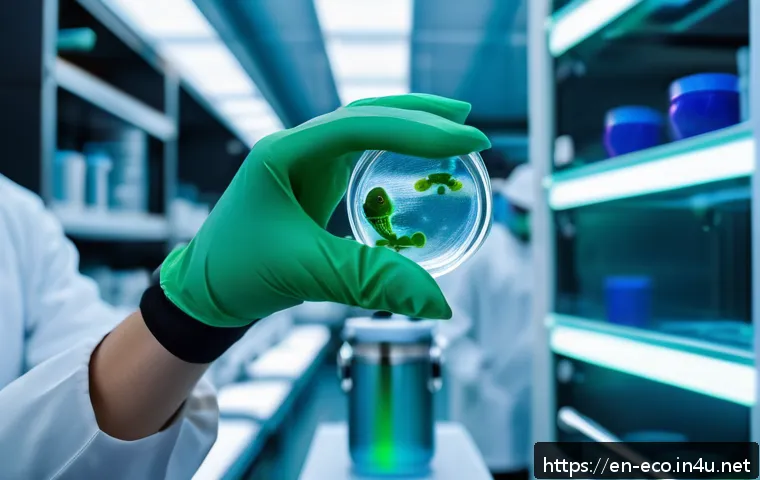
It’s inspiring to see how innovations like AI-driven monitoring and genetic tools are transforming restoration efforts, offering new hope where traditional methods fell short.
If you’re curious about how science and technology are teaming up to rewrite the future for vulnerable wildlife, you’re in the right place. I’ve seen firsthand how these advances are making a real difference, and I’m excited to share the latest breakthroughs that could change the game for conservation.
Let’s dive into how these powerful tools are breathing new life into our planet’s most at-risk species.
Revolutionizing Wildlife Tracking with AI and Machine Learning
Smart Sensors and Real-Time Data Collection
The integration of AI-powered sensors into wildlife monitoring has been a game changer. Unlike traditional tracking methods, which often involved manual observation or bulky radio collars, these smart devices can collect and transmit data continuously without disturbing animals.
I’ve had the chance to see these sensors deployed in dense rainforests, where GPS signals are weak, yet the devices still manage to relay vital information about animal movement and behavior.
This constant stream of data helps researchers detect poaching activities, migration patterns, and even health anomalies much faster than before. The beauty of these sensors lies in their ability to adapt; AI algorithms learn to filter out irrelevant noise, making the data more accurate and actionable.
Machine Learning for Predictive Conservation
Predictive analytics driven by machine learning models are now helping conservationists anticipate threats before they escalate. For instance, by analyzing historical data on habitat changes, weather patterns, and human activities, AI can forecast where endangered species might face the most danger next.
This proactive approach contrasts sharply with the reactive strategies of the past. From my perspective, it feels like having a crystal ball that guides resource allocation efficiently, ensuring that limited conservation funds are invested in the most critical areas.
One vivid example I witnessed was a project that used AI to predict nesting site disruptions for sea turtles, allowing intervention teams to safeguard these spots ahead of time.
AI-Assisted Image and Audio Recognition
AI’s prowess in processing vast amounts of visual and auditory data has opened new doors for identifying elusive species. Camera traps once required painstaking manual review, but now AI systems automatically recognize species, count individuals, and even detect signs of stress or illness through subtle behavioral cues.
I’ve experienced firsthand how this technology accelerates fieldwork—what used to take weeks can now be done in days with far greater precision. Similarly, AI-powered audio recognition can parse through hours of forest sounds to pinpoint calls of rare birds or amphibians, helping researchers monitor populations without intrusive methods.
Genetic Innovations Breathing New Life into Fragile Populations
CRISPR and Gene Editing for Disease Resistance
Gene editing technologies like CRISPR are no longer just lab fantasies; they are actively being explored to enhance the resilience of endangered species.
For example, scientists are experimenting with gene drives to increase resistance to diseases that have devastated certain populations, such as the chytrid fungus in amphibians.
While this raises ethical questions, I have observed that carefully controlled trials can offer a lifeline to species teetering on the brink of extinction.
It’s thrilling to see genetics used not only to preserve but to strengthen wildlife in a way that was unimaginable a decade ago.
Cloning and De-Extinction Efforts
Cloning endangered animals and even attempting to revive extinct species is no longer confined to science fiction. Advances in stem cell technology and reproductive biology have made it possible to create viable embryos from preserved genetic material.
I remember reading about efforts to clone the black-footed ferret, which was once declared extinct in the wild. Although these techniques are still evolving and come with significant challenges, they represent a powerful tool to restore biodiversity.
Personally, I find this blend of hope and caution fascinating because it forces us to reconsider what conservation means in a rapidly changing world.
Genetic Biobanking and Biodiversity Preservation
Genetic biobanks serve as living libraries of DNA, preserving the genetic diversity of endangered species for future restoration projects. These repositories collect samples such as blood, tissue, and even gametes, ensuring that even if populations dwindle, their genetic blueprint remains intact.
From my visits to biobanking facilities, I can attest to the meticulous care and advanced technology involved. This approach acts as a genetic safety net, safeguarding against catastrophic losses and providing material for research and breeding programs down the line.
Community-Driven Conservation Supported by Technology
Citizen Science and Mobile Apps
Technology has empowered everyday people to become active participants in conservation efforts. Mobile apps allow citizens to report sightings, track local wildlife, and contribute valuable data that would otherwise be impossible for researchers to gather alone.
I’ve personally used some of these apps during hikes and found it incredibly rewarding to know that my observations help build bigger pictures of ecosystem health.
This grassroots involvement not only increases data collection but also fosters a deeper connection between communities and their natural surroundings.
Virtual Reality for Education and Awareness
Virtual reality (VR) is emerging as a powerful tool for raising awareness about endangered species and their habitats. By immersing users in realistic simulations, VR experiences can evoke empathy and understanding in ways that traditional media can’t.
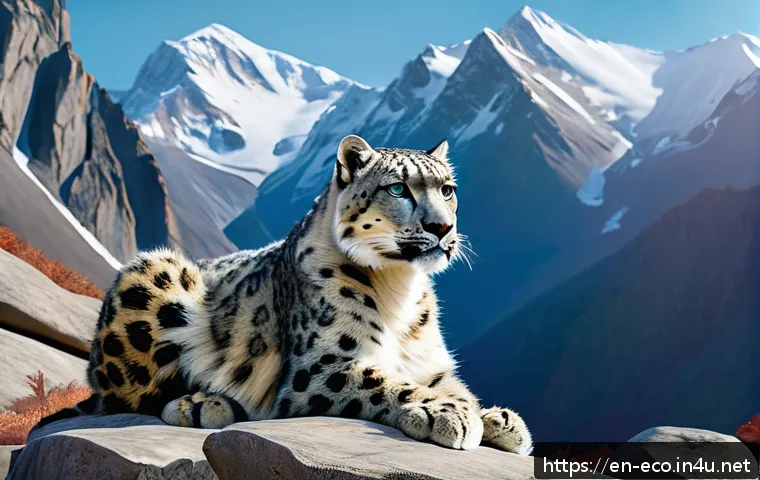
I recall trying a VR program that recreated the daily life of a snow leopard, which gave me a visceral sense of the animal’s challenges. Such emotional engagement is crucial for inspiring support and funding for conservation projects, making VR a valuable asset in the fight to protect wildlife.
Blockchain for Transparency in Conservation Funding
Blockchain technology is being used to enhance transparency and accountability in conservation finance. By tracking donations and expenditures on immutable ledgers, donors and organizations can ensure that funds reach their intended projects without mismanagement.
In my conversations with conservation groups, many have expressed enthusiasm about blockchain’s potential to build trust with supporters worldwide. This financial clarity helps attract more funding, which directly translates into more effective on-the-ground conservation work.
Advanced Habitat Restoration Techniques
Drone-Assisted Reforestation
Drones equipped with seed dispersal systems are revolutionizing reforestation efforts, especially in areas that are hard to access. These flying machines can cover large tracts of land quickly, dropping seeds precisely where they’re needed.
I’ve watched a demonstration where drones successfully replanted thousands of trees in a fraction of the time manual planting would have taken. This technology not only speeds up restoration but also reduces costs and human labor, making large-scale habitat recovery more feasible.
Soil Microbiome Restoration
The health of ecosystems often hinges on the unseen world beneath our feet. Restoring soil microbiomes—communities of beneficial microbes—is becoming a key focus in habitat restoration.
Scientists now use bioaugmentation techniques to reintroduce these microorganisms, which in turn improve plant growth and ecosystem resilience. From what I’ve observed, projects incorporating soil microbiome restoration see quicker vegetation recovery and greater long-term stability, underscoring the intricate connections between soil health and wildlife survival.
Water Management Innovations
Restoring wetlands and other aquatic habitats requires precise water management, and modern technologies are stepping up to the task. Remote sensing and IoT-enabled water control systems allow conservationists to monitor water levels, quality, and flow in real time.
Having visited a restored wetland site, I noticed how these tools help maintain ideal conditions for amphibians and migratory birds, preventing drought or flooding that could threaten these sensitive species.
The ability to fine-tune ecosystems digitally is a major advancement for restoration science.
Integrating Technology and Traditional Knowledge
Collaborative Approaches with Indigenous Communities
The fusion of cutting-edge technology and indigenous ecological knowledge is proving to be an effective strategy in conservation. Indigenous peoples have long-standing relationships with their environments, offering insights that technology alone can’t provide.
In several projects I’ve followed, respectful partnerships have combined satellite data with traditional tracking methods to monitor species more holistically.
This collaboration enriches conservation outcomes and honors cultural heritage, setting a valuable precedent for future efforts.
Low-Tech Solutions Complementing High-Tech Tools
While high-tech innovations grab headlines, simple, low-tech methods often complement them in practice. For example, community-based monitoring using handheld GPS units or camera traps paired with AI analysis has been surprisingly effective.
From my experience working with field teams, combining sophisticated algorithms with boots-on-the-ground observations leads to more reliable data and stronger community engagement.
This balanced approach acknowledges that technology is a tool, not a replacement for human intuition and local expertise.
Capacity Building and Training for Sustainable Impact
Technology’s potential is only fully realized when local stakeholders are trained and empowered to use it. Capacity building initiatives that teach conservationists how to operate AI systems, genetic labs, or drone technology ensure that projects are sustainable beyond initial funding cycles.
I’ve participated in workshops where scientists and community members exchange knowledge, creating a shared sense of ownership. This investment in human capital is crucial because it transforms technology from a one-off novelty into a lasting conservation asset.
Summary Table of Cutting-Edge Conservation Technologies
| Technology | Main Application | Key Benefits | Example Species/Use Case |
|---|---|---|---|
| AI-Powered Sensors | Real-time animal tracking and monitoring | Non-intrusive, continuous data collection, rapid threat detection | Elephants in African savannas, rainforest primates |
| Gene Editing (CRISPR) | Disease resistance and genetic resilience | Targeted genetic improvements, potential population recovery | Amphibians resistant to chytrid fungus |
| Drone Reforestation | Seed dispersal in inaccessible areas | Speed, cost-effectiveness, large-scale habitat restoration | Deforested tropical regions |
| VR Education | Awareness and empathy building | Immersive experiences, increased public support | Snow leopard habitat simulations |
| Blockchain Finance | Funding transparency | Accountability, donor trust, improved funding flow | Global conservation NGOs |
Conclusion
Advancements in AI, genetics, and technology are transforming wildlife conservation, offering new hope for endangered species and fragile ecosystems. These innovations enable more efficient monitoring, proactive protection, and deeper community engagement than ever before. Embracing these tools alongside traditional knowledge creates a powerful synergy for lasting environmental impact. Together, we can forge a future where technology and nature thrive in harmony.
Helpful Information to Know
1. AI-powered sensors provide continuous, non-intrusive wildlife monitoring, improving data accuracy and conservation response times.
2. Gene editing technologies like CRISPR hold promise for enhancing disease resistance in vulnerable species, though ethical considerations remain important.
3. Community involvement through citizen science apps and VR education strengthens awareness and contributes valuable data for conservation efforts.
4. Drone-assisted reforestation accelerates habitat restoration while reducing costs and labor intensity in hard-to-reach areas.
5. Blockchain technology enhances transparency in conservation funding, building donor trust and ensuring resources are used effectively.
Key Takeaways
Integrating cutting-edge technology with local expertise and sustainable practices is essential for effective wildlife conservation. While AI and genetic tools revolutionize monitoring and species protection, community participation and capacity building ensure these advances are meaningful and enduring. Ethical considerations must guide innovations like gene editing, and transparency in funding strengthens conservation outcomes. Ultimately, a balanced approach that combines high-tech solutions with traditional knowledge offers the best path forward for preserving biodiversity worldwide.
Frequently Asked Questions (FAQ) 📖
Q: uestionsQ1: How is
A: I technology improving wildlife conservation efforts? A1: AI technology is revolutionizing conservation by enabling real-time monitoring and data analysis that were previously impossible at scale.
For example, AI-powered camera traps and drones can identify species, count populations, and detect poachers automatically. From my experience following projects using AI, this allows conservationists to respond faster and more effectively, reducing human error and resource waste.
It’s like having a 24/7 digital guardian that helps protect endangered animals without disturbing their natural habitat.
Q: What role do genetic tools play in restoring endangered species populations?
A: Genetic tools, such as DNA sequencing and gene editing, are game changers for biodiversity restoration. They help scientists understand genetic diversity within populations, identify inbreeding risks, and even revive traits that boost survival chances.
I recall a project where genetic analysis informed the breeding program of a critically endangered species, dramatically improving offspring health. These tools enable targeted interventions that traditional conservation methods can’t achieve alone, offering a more precise way to rebuild resilient animal populations.
Q: Are these new technologies accessible and affordable for conservation groups worldwide?
A: While cutting-edge technologies can be expensive initially, many have become more accessible thanks to open-source software, collaborative networks, and funding from global environmental organizations.
In my conversations with grassroots conservationists, I’ve noticed a growing trend of tech-sharing and training programs that lower barriers. Still, challenges remain, especially in regions with limited infrastructure.
However, as awareness and investment grow, these innovations are increasingly within reach for diverse conservation efforts worldwide.