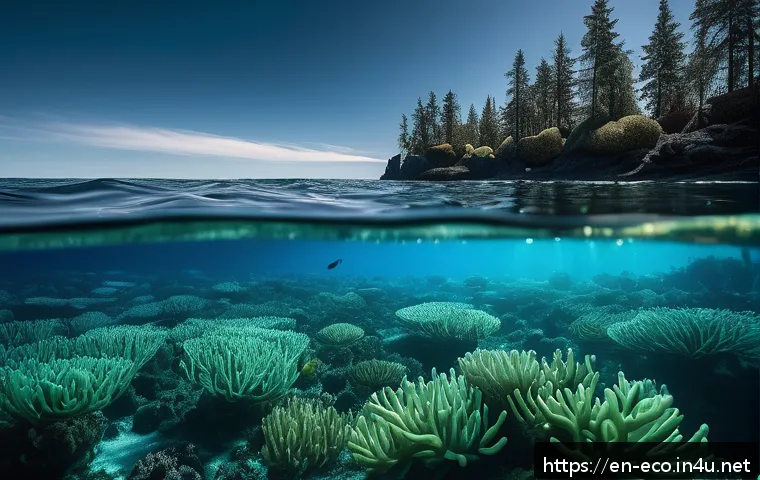
As climate change accelerates and marine biodiversity faces unprecedented threats, understanding the intricate dynamics of ocean ecosystems has never been more crucial.
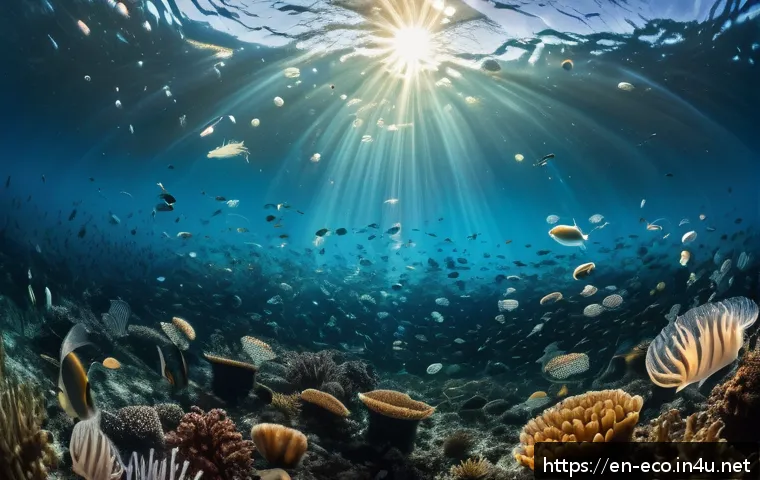
Our oceans are not just vast bodies of water; they are living, breathing systems that regulate the planet’s health and future. From microscopic plankton to majestic whales, marine life plays a vital role in sustaining Earth’s climate balance and supporting human livelihoods.
In this post, we’ll dive deep into how these underwater communities shape our world and why protecting them is essential for generations to come. Join me as we uncover the secrets of the ocean and explore the powerful connections between marine life and our planet’s survival.
Hidden Architects of the Ocean: How Tiny Creatures Drive Big Changes
Unseen Powerhouses: The Role of Phytoplankton
Phytoplankton might be tiny, but their impact is colossal. These microscopic plants float near the ocean surface, harnessing sunlight to perform photosynthesis, which produces about half of the world’s oxygen.
Beyond breathing life into our atmosphere, phytoplankton form the foundation of the marine food web. When I first observed a bloom during a coastal trip, I was amazed at how this invisible army supports everything from small fish to the largest whales.
Their population fluctuations can ripple through ecosystems, influencing fish stocks and even climate patterns by absorbing carbon dioxide. It’s like the ocean’s own invisible lung working nonstop to stabilize Earth’s environment.
Zooplankton: The Ocean’s Tiny Drifters and Their Big Impact
While phytoplankton are the producers, zooplankton are the crucial consumers. These drifting animals, ranging from tiny crustaceans to jellyfish larvae, feed on phytoplankton and serve as a vital food source for many fish species.
I’ve noticed during dives how zooplankton swarms can light up the water, a mesmerizing sight that’s also a sign of a healthy ecosystem. Their role in transferring energy up the food chain is indispensable.
Moreover, some zooplankton participate in the ocean’s biological pump by consuming carbon-rich particles and sinking them to the deep sea, a natural process helping to sequester carbon and mitigate climate change.
Marine Microbes: The Unsung Biogeochemical Workers
Beyond the visible plankton, countless microbial species work behind the scenes to maintain ocean health. These bacteria and archaea recycle nutrients, break down organic matter, and contribute to nitrogen fixation, essential for sustaining marine productivity.
From my readings and discussions with marine biologists, it’s clear these microbes shape the chemical balance of seawater and influence the ocean’s capacity to absorb greenhouse gases.
Their adaptability is staggering; even as ocean conditions shift, many microbes adjust their functions, acting as a buffer against environmental stressors.
The Symphony of Ocean Predators: Balancing Life Beneath the Waves
Sharks and Their Role in Marine Stability
Sharks often get a bad rap as dangerous predators, but they are vital for ocean health. By preying on weak or sick individuals, sharks help maintain species diversity and prevent any one population from dominating.
I remember reading about studies where shark removal led to drastic imbalances, such as overpopulation of mid-level predators, which in turn depleted fish stocks important for humans.
Observing shark behavior during a recent snorkeling trip, I was struck by their graceful presence and understood their role as the ocean’s natural regulators, keeping ecosystems resilient.
Whales as Ecosystem Engineers
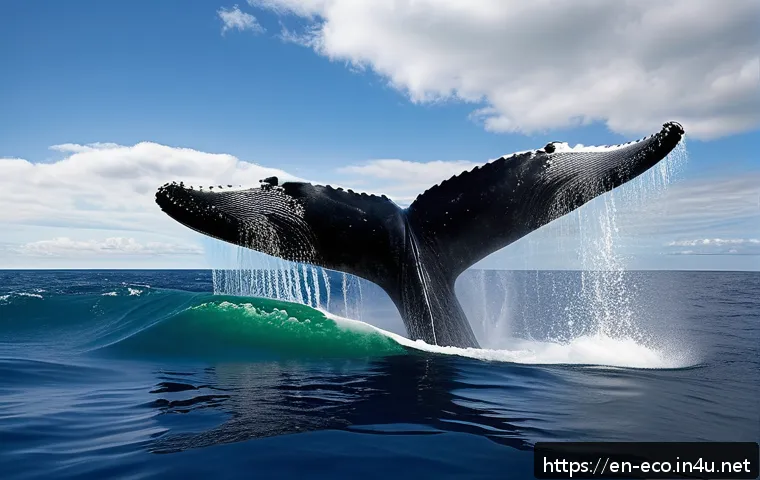
Whales are more than majestic creatures; they actively shape marine ecosystems. Their massive bodies transport nutrients vertically through the water column via a process called the “whale pump.” When whales dive deep and then surface to breathe, they release nutrient-rich fecal plumes that fertilize phytoplankton growth.
This cycle is crucial for supporting fisheries and carbon cycling. I was fortunate to witness a whale feeding frenzy firsthand, and it was clear these giants influence life far beyond their immediate surroundings, fostering biodiversity and climate regulation.
Cephalopods: The Quick-Change Artists of the Sea
Squid, octopuses, and cuttlefish are some of the ocean’s most adaptable and intelligent invertebrates. Their rapid growth rates and complex behaviors make them key players in marine food webs.
I’ve been fascinated by their camouflage skills and problem-solving abilities during underwater encounters. Cephalopods are both predators and prey, linking various trophic levels.
As climate change alters ocean temperatures and acidity, their populations are shifting, which could cascade through ecosystems in ways we’re just beginning to understand.
Coral Reefs: The Rainforests of the Sea Under Threat
Coral-Symbiont Partnerships: The Heart of Reef Life
Corals are tiny animals that build vast underwater cities with the help of symbiotic algae called zooxanthellae. This partnership is a marvel of mutual benefit: algae provide energy through photosynthesis, while corals offer shelter.
From my visits to reefs, I’ve seen how vibrant and bustling these habitats are, supporting a quarter of all marine species. However, rising sea temperatures disrupt this relationship, causing coral bleaching and threatening reef survival.
Protecting this delicate balance is critical, not just for marine biodiversity but for millions of people relying on reefs for food and coastal protection.
Reef Fish and Their Role in Reef Health
Fish species inhabiting coral reefs perform essential tasks, from grazing algae that compete with corals to bioeroding dead coral structures, facilitating new growth.
During snorkeling trips, I observed how diverse reef fish communities help maintain reef resilience. Overfishing and habitat destruction can remove key species, tipping the balance and accelerating reef decline.
Sustainable fishing practices and marine protected areas are crucial to preserving these intricate relationships.
Innovative Restoration Efforts and Their Promise
The good news is that restoration projects are evolving rapidly. Techniques like coral gardening, where fragments are grown in nurseries before transplanting, show promise in reviving damaged reefs.
I’ve followed several initiatives combining science with local knowledge, which not only help reefs recover but also empower coastal communities. While challenges remain, these efforts highlight the power of human intervention in healing ocean ecosystems if done thoughtfully and at scale.
Ocean Currents: The Planet’s Climate Conveyor Belts
The Mechanics of Ocean Circulation
Ocean currents act like giant conveyor belts, redistributing heat, nutrients, and gases across the globe. Warm currents, such as the Gulf Stream, bring tropical warmth to temperate regions, influencing weather patterns and supporting diverse marine life.
I recall how learning about the thermohaline circulation deepened my appreciation for the ocean’s role in climate regulation. Disruptions to these currents, potentially triggered by melting polar ice, could have profound effects on global climates and marine ecosystems alike.
Upwelling Zones: Nutrient Hotspots
Certain coastal areas experience upwelling, where deep, nutrient-rich waters rise to the surface, fueling explosive productivity. These zones support some of the world’s richest fisheries.
I’ve been lucky enough to visit an upwelling region and witness the abundance of seabirds, fish, and marine mammals drawn to this feast. Protecting these hotspots from pollution and overfishing is vital to maintaining oceanic food security.
Impact of Climate Change on Circulation Patterns
Climate change is altering ocean circulation in unpredictable ways. Increased freshwater input from glaciers and altered temperature gradients can weaken key currents, disrupting marine habitats and human weather systems.
I’ve read about recent models predicting slower circulation, which could exacerbate global warming effects. Understanding these dynamics is essential for forecasting future climate scenarios and preparing adaptive strategies.
Human Connections: How Our Actions Shape Ocean Futures
Fisheries and Food Security
Millions of people worldwide depend on the ocean for their primary source of protein. Sustainable fisheries management is not just an environmental issue but a social and economic necessity.
From conversations with local fishers, I’ve learned how overfishing threatens livelihoods and food availability. Balancing harvest with conservation requires community involvement, science-based policies, and market incentives that reward sustainable choices.
Pollution’s Toll on Marine Life
Plastic waste, chemical runoff, and noise pollution are some of the invisible killers affecting marine organisms. I once participated in a beach cleanup and was shocked by the volume of microplastics and debris collected.
These pollutants harm species at all levels, from coral reefs to whales, and can enter human food chains. Reducing pollution through better waste management, regulation, and public awareness is a critical step toward healthier oceans.
Marine Protected Areas: Safeguarding Blue Spaces
Establishing marine protected areas (MPAs) has proven effective in preserving biodiversity and restoring fish populations. I’ve visited several MPAs where I noticed noticeably healthier reefs and abundant wildlife compared to unprotected zones.
While MPAs are not a cure-all, they represent a powerful tool when combined with broader ocean governance and community engagement. Expanding these safe havens is vital to ensuring resilient oceans for the future.
Ocean’s Role in Global Carbon Cycling
Carbon Sequestration by Marine Ecosystems
Oceans absorb roughly a quarter of human-produced CO2 emissions, acting as a critical buffer against climate change. Marine plants, plankton, and sediments all contribute to carbon storage.
From what I’ve experienced, this natural service is invaluable yet vulnerable. Acidification caused by increased CO2 reduces the ability of organisms like corals and shellfish to build skeletons, threatening the ocean’s carbon storage capacity.
The Biological Pump and Its Efficiency
The biological pump refers to the process where organic carbon is transported from surface waters to the deep ocean. Zooplankton and fish play active roles by consuming carbon-rich particles and excreting them at depth.
I find this mechanism fascinating because it links life processes directly to global climate systems. Disruptions to plankton communities or food webs could weaken this pump, accelerating atmospheric CO2 accumulation.
Innovations in Blue Carbon Strategies
Emerging solutions focus on enhancing carbon capture through protecting and restoring blue carbon ecosystems like mangroves, seagrasses, and salt marshes.
I’ve followed pilot projects that measure carbon storage and develop financial incentives for conservation. These approaches marry environmental goals with economic benefits, showing promise as part of the climate mitigation toolkit.
Comparative Overview of Key Marine Ecosystem Functions
| Marine Component | Primary Function | Climate Impact | Threats | Conservation Strategies |
|---|---|---|---|---|
| Phytoplankton | Oxygen production, carbon fixation | Absorbs CO2, regulates atmosphere | Temperature shifts, nutrient changes | Monitoring blooms, reducing pollution |
| Coral Reefs | Habitat provision, biodiversity support | Carbon storage, coastal protection | Bleaching, acidification, overfishing | Restoration, MPAs, sustainable tourism |
| Sharks | Population control, ecosystem balance | Maintains healthy fish stocks | Overfishing, habitat loss | Fishing regulations, protected zones |
| Zooplankton | Energy transfer, biological pump | Carbon sequestration | Ocean acidification, temperature rise | Research, pollution control |
| Mangroves | Coastal stabilization, carbon storage | Blue carbon sink | Deforestation, land conversion | Restoration, legal protection |
In Conclusion
The ocean’s tiniest inhabitants play outsized roles in maintaining the health of our planet. From microscopic plankton to majestic whales, each contributes to a delicate balance that supports marine life and regulates climate. Understanding and protecting these hidden architects is essential for securing a sustainable future. Our actions today will determine how well these vital systems endure for generations to come.
Useful Information to Know
1. Phytoplankton produce about half of the world’s oxygen and serve as the base of the marine food web.
2. Zooplankton help transfer energy through the ocean’s food chain and assist in carbon sequestration.
3. Marine microbes recycle nutrients and support ocean chemistry, adapting to environmental changes.
4. Coral reefs depend on symbiotic relationships and are highly vulnerable to warming and pollution.
5. Marine protected areas enhance biodiversity and fish stocks, playing a key role in ocean conservation.
Key Takeaways
Healthy ocean ecosystems rely on complex interactions among diverse species, from microscopic organisms to large predators. Climate change and human activities threaten these balances, but targeted conservation efforts and sustainable practices can help restore and protect marine environments. Prioritizing ocean health is critical not only for biodiversity but also for global climate stability and food security.
Frequently Asked Questions (FAQ) 📖
Q: uestionsQ1: Why is marine biodiversity important for the Earth’s climate balance?
A: Marine biodiversity plays a crucial role in regulating the Earth’s climate by supporting key processes like carbon sequestration. For example, phytoplankton absorb huge amounts of carbon dioxide during photosynthesis, helping to reduce greenhouse gases.
Diverse marine species also maintain healthy ecosystems that stabilize ocean chemistry and temperature, which directly influences global weather patterns.
Without this biodiversity, the ocean’s ability to regulate climate would weaken, accelerating climate change impacts.
Q: How does climate change threaten ocean ecosystems and marine life?
A: Climate change disrupts ocean ecosystems in multiple ways—rising sea temperatures cause coral bleaching, altering habitats and food sources for many species.
Ocean acidification, a result of increased CO2 absorption, affects shell-forming creatures like mollusks and plankton, which are foundational to the food web.
Additionally, melting polar ice affects species adapted to cold environments and shifts migration patterns. These changes create a domino effect, threatening biodiversity and the livelihoods of communities that depend on the ocean.
Q: What can individuals do to help protect marine ecosystems?
A: Everyone can contribute to marine conservation by making mindful choices. Reducing plastic use helps prevent ocean pollution, while supporting sustainable seafood choices encourages responsible fishing practices.
Participating in or donating to marine conservation projects also makes a difference. On a larger scale, advocating for policies that limit carbon emissions and protect ocean habitats is vital.
From personal habits to community action, every effort counts toward preserving these underwater ecosystems for future generations.