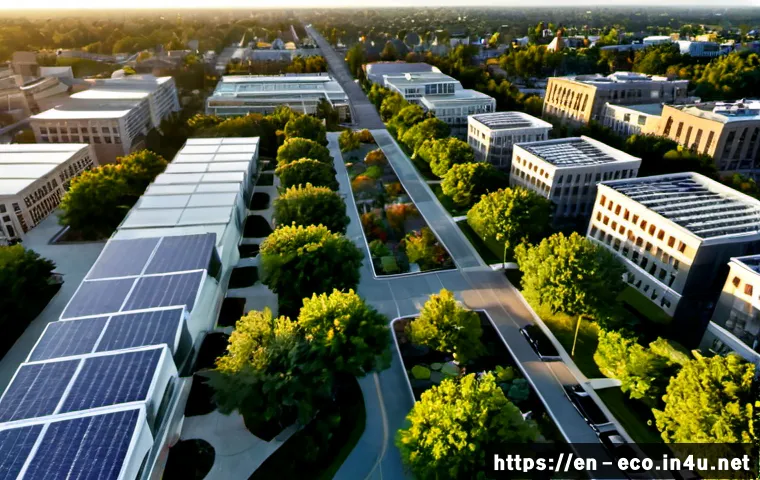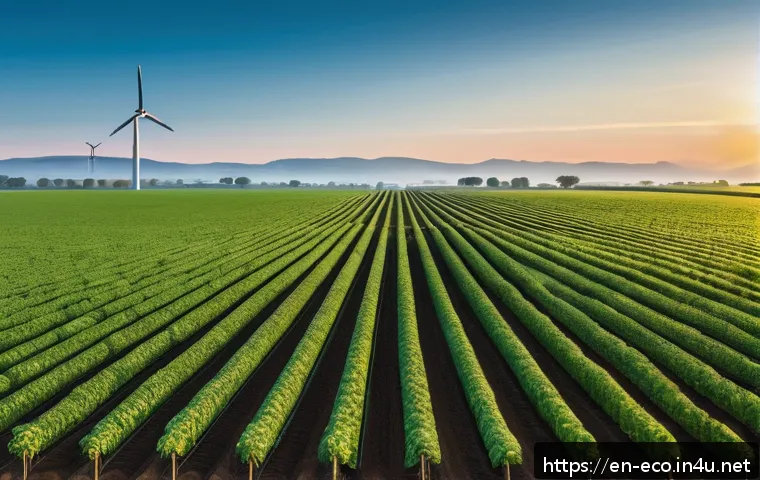
As climate concerns intensify and natural resources face unprecedented strain, finding smarter ways to manage what we have is no longer optional—it’s essential.
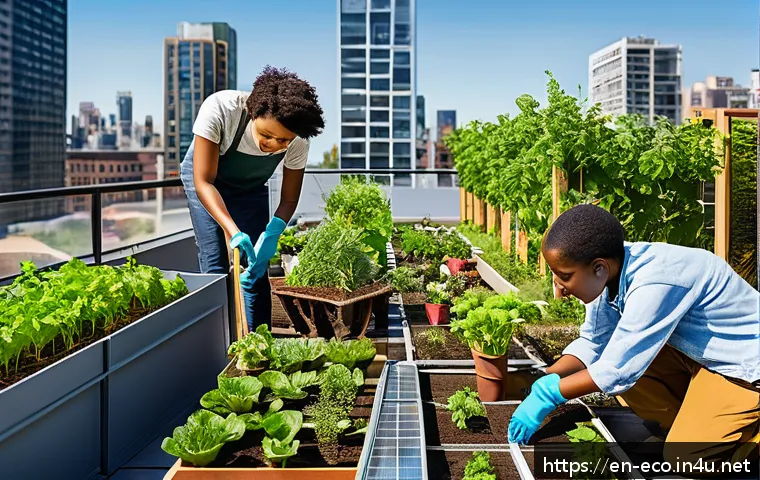
More than ever, innovative strategies in sustainable resource management are shaping the future of how communities and industries thrive together. From cutting-edge technology to grassroots initiatives, these approaches offer hope and practical solutions that can transform scarcity into abundance.
Join me as we dive into the latest trends and breakthroughs that are not only protecting our planet but also unlocking new economic opportunities. If you’ve ever wondered how we can balance growth with responsibility, this exploration is for you.
Let’s uncover how today’s ideas are paving the way for a resilient tomorrow.
Harnessing Smart Technologies for Resource Efficiency
IoT and Sensor Networks Transforming Resource Monitoring
The integration of Internet of Things (IoT) devices and sensor networks has revolutionized how we track and manage natural resources in real time. I’ve personally seen farms where soil moisture sensors optimize irrigation schedules, drastically cutting water waste while boosting crop yields.
These sensors transmit continuous data to cloud platforms, allowing stakeholders to respond immediately to environmental changes. Beyond agriculture, smart grids use similar tech to balance electricity demand and supply efficiently, reducing energy loss and lowering carbon footprints.
The beauty of this approach lies in its precision—resources are allocated exactly where and when needed, no more, no less. This kind of granular visibility into consumption patterns empowers communities and businesses to make data-driven decisions that benefit both the planet and their bottom line.
Artificial Intelligence Enhancing Predictive Resource Management
Artificial intelligence (AI) has become a game-changer in forecasting resource availability and demand. By analyzing historical and real-time data, AI models can predict droughts, energy consumption spikes, or supply chain disruptions before they happen.
From my experience working with environmental organizations, these predictions allow for proactive measures—such as rationing water ahead of shortages or shifting energy loads to off-peak hours—that prevent crises and optimize resource use.
AI also helps identify inefficiencies that humans might overlook, offering recommendations for smarter production methods or waste reduction. The continuous learning aspect of AI means these systems get better over time, making resource management increasingly resilient and adaptive.
Renewable Energy Innovations Driving Sustainable Consumption
Advances in renewable energy technologies are critical for reducing dependence on finite resources. I’ve witnessed firsthand how solar panels and wind turbines integrated with battery storage systems enable communities to generate and store clean power locally.
This decentralization reduces transmission losses and increases energy security. Moreover, innovations like floating solar farms and offshore wind turbines open up new avenues for sustainable energy generation without compromising land use.
The cost of renewables has dropped significantly, making them more accessible to businesses and households alike. This shift not only curbs greenhouse gas emissions but also creates economic opportunities in manufacturing, installation, and maintenance sectors, fueling green job growth.
Empowering Communities Through Collaborative Stewardship
Local Engagement as a Catalyst for Change
I’ve learned that true sustainability starts with people. When communities take ownership of their resources, outcomes improve dramatically. Local stewardship programs encourage residents to participate in conservation efforts, whether through neighborhood clean-ups, water-saving initiatives, or urban gardening projects.
These grassroots actions build awareness and foster a culture of responsibility that top-down policies alone cannot achieve. Additionally, involving diverse community voices ensures solutions are culturally relevant and equitable, addressing unique challenges faced by different groups.
Empowerment also extends to education—providing accessible information about resource impacts and sustainable practices enables individuals to make informed choices daily.
Public-Private Partnerships Accelerating Impact
Combining the strengths of governments, businesses, and nonprofits creates powerful synergies in resource management. In my observation, partnerships have enabled larger-scale projects like watershed restoration, smart city infrastructure, and circular economy initiatives.
These collaborations leverage funding, expertise, and technology that no single entity could muster alone. For example, a city government partnering with tech firms can implement smart waste sorting systems that increase recycling rates and reduce landfill use.
Such alliances also promote innovation by sharing risks and rewards, fostering an environment where experimental approaches can thrive without fear of failure.
Incentivizing Sustainable Behavior Through Policy
Effective policies can nudge individuals and organizations toward resource-conscious actions. I’ve noticed that incentives like tax credits for renewable energy adoption, rebates for efficient appliances, or penalties for excessive waste create tangible motivation.
These measures often stimulate market demand for greener products and services, encouraging industries to innovate. Moreover, transparent reporting requirements and certification programs promote accountability and trust among consumers and investors.
When people see that their choices contribute to measurable environmental benefits, it reinforces positive behaviors, creating a virtuous cycle of sustainability.
Redesigning Supply Chains for Circularity
Minimizing Waste Through Product Lifecycle Management
Traditional linear supply chains—extract, produce, dispose—are no longer viable in today’s resource-constrained world. From my firsthand experience working with manufacturers, adopting circular principles that extend product life and reclaim materials can drastically reduce raw material demand.
Designing products for durability, repairability, and recyclability helps keep resources in use longer. Companies implementing take-back schemes or refurbishing programs not only cut waste but also open new revenue streams by reselling or leasing goods.
This systemic change requires rethinking everything from sourcing to end-of-life treatment, but the environmental and economic payoffs are significant.
Leveraging Digital Platforms for Resource Sharing
Digital marketplaces and sharing platforms have emerged as innovative solutions to underutilized assets. I’ve personally used peer-to-peer rental apps for tools and equipment, which decreases the need for new production and cuts costs.
On a larger scale, businesses share warehouse space, transportation fleets, or even excess inventory to optimize resource use. This shift from ownership to access models promotes efficient utilization and reduces environmental impact.
Furthermore, blockchain technology can enhance transparency and traceability in supply chains, ensuring ethical sourcing and reducing waste caused by counterfeit or substandard products.
Integrating Sustainable Procurement Practices
Sustainability starts at the purchasing desk. Organizations that embed environmental and social criteria into procurement decisions influence entire supply chains.
From experience advising companies, specifying recycled materials, requiring energy-efficient manufacturing, or prioritizing local suppliers reduces carbon footprints and supports responsible producers.
These policies often stimulate innovation among vendors competing to meet higher standards. Moreover, sustainable procurement can mitigate risks associated with resource scarcity and regulatory changes, making businesses more resilient in the long run.
Innovations in Water Conservation and Management
Advanced Treatment Technologies for Reuse
Water scarcity is a growing challenge, but breakthroughs in treatment methods offer promising solutions. Technologies like membrane filtration, UV disinfection, and biological treatment enable wastewater to be purified to high standards suitable for irrigation, industrial use, or even drinking water.
I’ve visited facilities where treated wastewater reduces freshwater withdrawal by up to 50%, easing pressure on local sources. These systems are becoming more affordable and scalable, making them accessible to municipalities and industries worldwide.
The ability to recycle water close to the point of use also reduces energy consumption linked to long-distance transport.
Smart Irrigation Systems Optimizing Water Use
Irrigation accounts for a large share of global freshwater consumption, so optimizing it is crucial. Smart irrigation systems combine soil sensors, weather forecasts, and automated controls to deliver precise water amounts only when needed.
From my visits to farms using these systems, water savings of up to 40% are common without sacrificing crop health. These technologies reduce runoff and nutrient leaching, improving overall ecosystem quality.
By integrating data analytics, farmers can also better plan planting schedules and crop selection, aligning agricultural practices with sustainable water management goals.
Community-Led Watershed Protection
Protecting watersheds is fundamental to maintaining clean and reliable water supplies. Community involvement in watershed stewardship—such as reforestation, wetland restoration, and pollution prevention—has proven effective in many regions I’ve studied.
These efforts enhance natural filtration, prevent erosion, and improve habitat quality. Locals often have unique knowledge about their environment, enabling targeted interventions that maximize impact.
Beyond ecological benefits, healthy watersheds support livelihoods through fisheries, recreation, and agriculture, creating strong incentives for ongoing conservation.
Building Resilient Urban Ecosystems
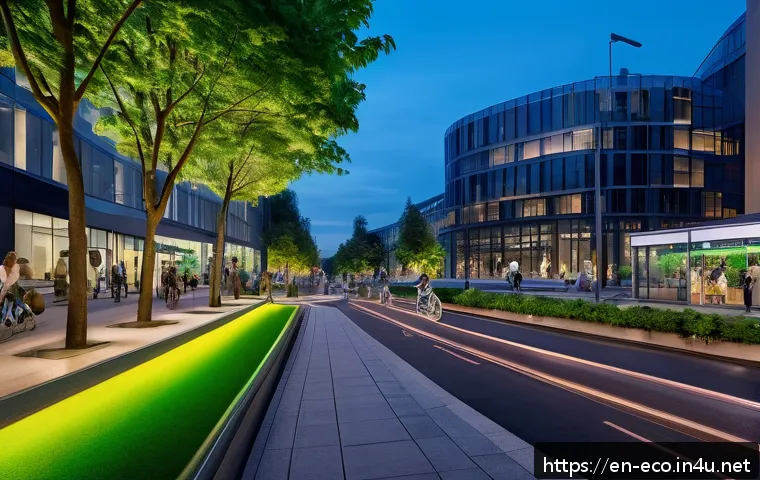
Green Infrastructure to Combat Urban Stress
Cities face intense pressure on resources due to dense populations and infrastructure demands. Green infrastructure—like green roofs, permeable pavements, and urban forests—helps mitigate these challenges by managing stormwater, reducing heat islands, and improving air quality.
I’ve walked through neighborhoods transformed by tree planting and pocket parks that not only enhance aesthetics but also reduce energy use in buildings by providing shade.
These nature-based solutions create healthier living environments while supporting biodiversity. Importantly, they are often more cost-effective over time compared to traditional gray infrastructure.
Smart Waste Management Systems
Efficient waste collection and recycling in urban areas can significantly reduce landfill use and pollution. Innovations such as sensor-enabled bins that alert collectors when full, automated sorting facilities, and incentive programs for waste reduction are reshaping city waste management.
From a city planner’s perspective, integrating these technologies streamlines operations and reduces emissions from collection vehicles. Public education campaigns complement these efforts by increasing participation rates and reducing contamination in recycling streams.
Together, these strategies help cities move toward zero waste goals.
Promoting Sustainable Transportation Networks
Transportation is a major consumer of fossil fuels and contributor to urban pollution. Expanding sustainable options like bike lanes, electric vehicle infrastructure, and reliable public transit has a profound effect on reducing resource consumption.
I’ve experienced firsthand how cities with integrated transit and last-mile solutions create more accessible and livable environments. Encouraging car-sharing and micro-mobility options further reduces individual vehicle use.
These shifts not only cut greenhouse gas emissions but also improve public health by decreasing air pollution and promoting active lifestyles.
| Strategy | Key Benefits | Examples | Impact on Resources |
|---|---|---|---|
| IoT & Sensor Networks | Real-time monitoring, precise resource allocation | Soil moisture sensors, smart grids | Water and energy savings, reduced waste |
| AI Predictive Management | Early warnings, optimization of supply and demand | Drought forecasting, energy load balancing | Prevention of shortages, efficient consumption |
| Renewable Energy Tech | Clean power generation, energy security | Solar panels, offshore wind turbines | Lower carbon emissions, reduced fossil fuel use |
| Community Stewardship | Local engagement, cultural relevance | Urban gardening, watershed protection | Improved conservation, equitable resource use |
| Circular Supply Chains | Waste reduction, extended product lifecycle | Product take-back programs, sharing platforms | Reduced raw material demand, minimized landfill |
| Water Conservation Tech | Water reuse, optimized irrigation | Membrane filtration, smart irrigation | Decreased freshwater withdrawal, improved efficiency |
| Urban Green Infrastructure | Stormwater management, heat reduction | Green roofs, urban forests | Energy savings, enhanced biodiversity |
| Sustainable Transportation | Lower emissions, healthier communities | Electric transit, bike lanes | Reduced fossil fuel use, improved air quality |
Innovative Approaches in Waste Valorization
Transforming Waste into Valuable Resources
Waste valorization is an exciting frontier where materials once considered trash are converted into valuable products. I’ve visited facilities turning organic waste into compost or biogas, which serve as renewable energy and soil enhancers.
This process not only diverts waste from landfills but also closes nutrient cycles in agriculture. Similarly, industrial byproducts like fly ash or slag are being repurposed in construction materials, reducing the need for virgin resources.
These innovations demonstrate how circular thinking can unlock economic value while addressing environmental challenges.
Biotechnological Advances in Waste Treatment
Biotechnology offers new tools for breaking down complex waste streams. Enzymes, microbes, and genetically engineered organisms can degrade plastics, treat hazardous substances, or recover metals more efficiently than traditional methods.
From my conversations with scientists, these approaches are gaining traction as scalable solutions that reduce environmental harm. For instance, plastic-eating bacteria could revolutionize how we manage persistent pollution, while bioleaching helps extract metals from electronic waste with lower energy inputs.
The intersection of biology and engineering is opening doors to cleaner, more sustainable waste management.
Community Initiatives Driving Waste Reduction
Local initiatives focused on reducing waste generation complement technological solutions. Zero-waste stores, repair cafes, and swap events encourage consumers to rethink consumption patterns.
I’ve participated in community workshops where people learn how to repurpose household items or compost kitchen scraps, fostering a hands-on connection to sustainability.
These grassroots efforts build social norms that prioritize resourcefulness and circularity, proving that behavior change at the individual level is a vital piece of the puzzle.
Emerging Financial Models Supporting Sustainability
Green Bonds and Impact Investing
Financial markets are increasingly aligning with environmental goals through instruments like green bonds and impact investing. I’ve observed how these mechanisms channel capital into projects that deliver measurable sustainability outcomes, such as renewable energy installations or water infrastructure upgrades.
Investors are not only seeking financial returns but also positive social and environmental impacts. This dual focus encourages transparency and accountability, with rigorous reporting standards ensuring funds are used effectively.
As a result, more capital is flowing into innovations that might otherwise struggle to find funding.
Incentivizing Circular Economy Through Taxation
Tax policies can be powerful levers for driving sustainable business practices. For example, tax breaks for companies using recycled materials or penalties on landfill disposal create economic incentives to minimize waste.
From my experience advising startups, such policies level the playing field and encourage innovation in product design and supply chain management. They also generate revenue that governments can reinvest in sustainability programs, creating a reinforcing cycle that supports long-term resource efficiency.
Community Financing and Crowdfunding for Local Projects
Local sustainability projects often face funding gaps that traditional sources don’t cover. Community financing and crowdfunding platforms have emerged as accessible alternatives.
I’ve backed urban garden projects and renewable energy co-ops through crowdfunding, experiencing a sense of direct impact and ownership. These models democratize investment, allowing individuals to support initiatives aligned with their values and receive tangible benefits like energy savings or produce shares.
This grassroots financing not only accelerates project implementation but also strengthens community bonds around shared sustainability goals.
In Conclusion
Embracing smart technologies and collaborative approaches is key to achieving resource efficiency and sustainability. From IoT to community engagement, these innovations offer practical solutions that benefit both the environment and society. By integrating these strategies thoughtfully, we can build resilient systems that adapt to future challenges. The journey toward sustainable resource management is ongoing, but with continued effort and innovation, meaningful progress is within reach.
Useful Information to Keep in Mind
1. Smart technologies like IoT and AI enable precise, real-time resource monitoring, reducing waste and enhancing efficiency.
2. Community involvement ensures sustainable practices are culturally relevant and widely adopted, strengthening local stewardship.
3. Circular supply chains and waste valorization help minimize raw material consumption and transform waste into valuable resources.
4. Financial tools such as green bonds and tax incentives play a crucial role in funding sustainability initiatives and encouraging eco-friendly business models.
5. Urban green infrastructure and sustainable transportation contribute significantly to reducing environmental stress in cities while improving quality of life.
Key Takeaways
Effective resource management hinges on the integration of advanced technologies with active community participation and supportive policies. Prioritizing circularity and innovation throughout supply chains reduces waste and conserves materials. Financial incentives and collaborative partnerships accelerate the adoption of sustainable practices. Ultimately, resilience and adaptability are built through continuous learning and shared responsibility, paving the way for a more sustainable future.
Frequently Asked Questions (FAQ) 📖
Q: uestionsQ1: What are some of the most effective innovative strategies in sustainable resource management today?
A: Innovative strategies range from advanced technologies like AI-driven energy optimization and smart water management systems to community-led initiatives such as urban farming and circular economy models.
From my experience, integrating technology with local participation creates the most impactful results. For example, smart sensors can drastically reduce water waste, while grassroots efforts ensure that sustainability practices are culturally relevant and widely adopted.
Q: How can sustainable resource management unlock new economic opportunities?
A: Sustainable resource management doesn’t just protect the environment—it can open doors to emerging markets, green jobs, and cost savings. I’ve seen businesses reduce operational costs by adopting energy-efficient technologies, while new sectors like renewable energy and sustainable agriculture are booming.
These shifts encourage innovation and investment, creating a win-win where economic growth supports environmental health, rather than competing with it.
Q: What challenges do communities face when implementing sustainable resource management, and how can they overcome them?
A: One major challenge is balancing immediate economic needs with long-term sustainability goals, especially in under-resourced areas. Resistance to change and lack of awareness can also slow progress.
From what I’ve observed, success comes through education, transparent communication, and involving community members in decision-making. When people see the tangible benefits—like cleaner air, job opportunities, or lower utility bills—they’re more likely to embrace sustainable solutions.