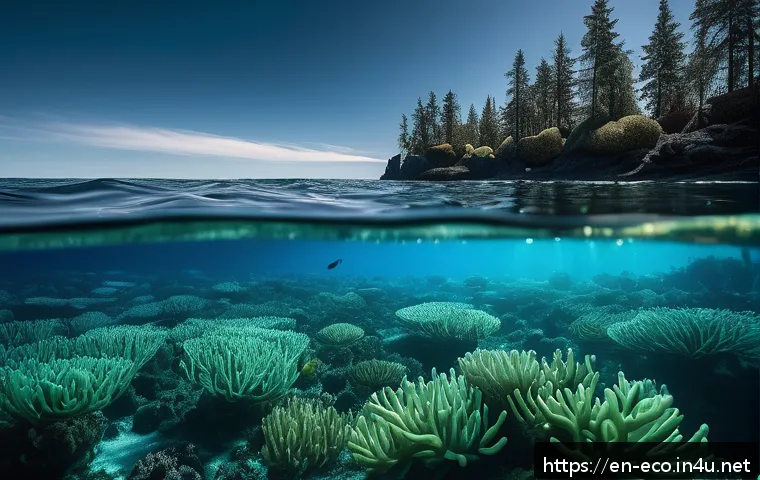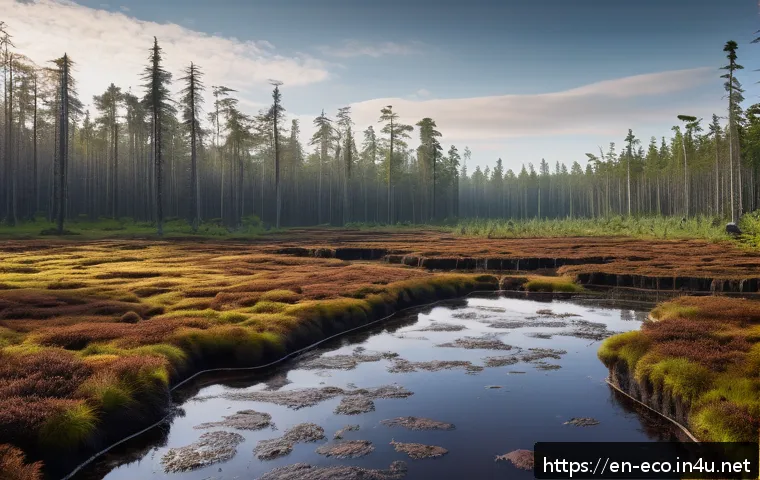
Climate change conversations often focus on forests and oceans, but there’s a quieter hero gaining attention: wetlands. These unique ecosystems act as natural carbon vaults, storing vast amounts of greenhouse gases and playing a crucial role in slowing global warming.
With recent studies highlighting their underestimated potential, understanding wetlands has never been more urgent. Join me as we explore how these marshy landscapes are unlocking nature’s secret weapon against climate change and why protecting them could be key to a sustainable future.
Stay tuned for insights that might just change how you see these watery wonders!
Why Wetlands Matter More Than You Think
The Unsung Role of Wetlands in Climate Regulation
Wetlands often fly under the radar when we talk about ecosystems, yet they quietly outperform many others in carbon storage efficiency. Unlike forests, which store carbon primarily in biomass, wetlands accumulate carbon deep within their water-saturated soils, slowing down decomposition and effectively locking away carbon for centuries.
This means wetlands act as natural carbon sinks, absorbing carbon dioxide from the atmosphere and preventing it from accelerating global warming. My own visits to local marshlands revealed how these areas are teeming with life and organic matter that contribute to this process, making them invaluable in our fight against climate change.
Comparing Wetlands to Other Carbon Sinks
It’s tempting to think of towering forests or vast oceans as the only heavyweights in carbon capture, but wetlands punch well above their weight class.
For every hectare, wetlands can store up to five times more carbon than forests. This efficiency stems from the unique conditions wetlands create—waterlogged soils reduce oxygen availability, slowing microbial activity and thus carbon release.
When I first learned this, it completely shifted how I viewed conservation priorities. Protecting wetlands isn’t just about preserving biodiversity; it’s a strategic move in climate mitigation.
The Threats Wetlands Face and Why They’re Urgent to Protect
Unfortunately, wetlands are disappearing at an alarming rate due to urban expansion, agriculture, and pollution. When drained or damaged, the carbon stored in wetland soils can rapidly release into the atmosphere, turning these carbon vaults into carbon sources.
I remember reading a report highlighting that the loss of wetlands contributes as much as 10% of global greenhouse gas emissions annually. This makes wetland conservation an urgent task, not just for wildlife but for the global climate system.
How Wetlands Store Carbon Differently
The Science Behind Carbon Sequestration in Wet Soils
Wetlands’ ability to store carbon hinges on their water-saturated soils, which create anaerobic (low oxygen) conditions. These conditions slow down microbial decomposition of plant material, allowing organic carbon to accumulate as peat or organic-rich sediments.
This process can lock carbon underground for thousands of years, making wetlands some of the most long-lasting carbon reservoirs on Earth. I found it fascinating that this natural process contrasts sharply with dry soil environments, where carbon quickly returns to the atmosphere.
Role of Vegetation in Carbon Capture
Plants in wetlands, such as reeds, sedges, and mosses, play a vital role in capturing atmospheric CO2 through photosynthesis. Unlike trees, wetland plants often have shorter lifespans but produce large amounts of biomass that die and accumulate in the soil, contributing to peat formation.
Having spent time walking through marshes, I noticed how dense and lush this vegetation can be, constantly cycling carbon from the air into the soil. This dynamic makes wetlands a hotspot for ongoing carbon storage.
How Wetland Types Differ in Carbon Storage Capacity
Not all wetlands are created equal when it comes to carbon storage. Peatlands, for example, store massive amounts of carbon in thick layers of peat, while mangroves combine soil and biomass storage, offering dual benefits.
Freshwater marshes and swamps also contribute significantly but may vary depending on water levels and vegetation types. Understanding these differences is key to targeting conservation efforts where they’ll have the greatest climate impact.
Economic and Ecological Benefits of Preserving Wetlands
Beyond Carbon: Ecosystem Services Provided by Wetlands
Wetlands do far more than trap carbon; they provide critical services such as water filtration, flood control, and habitat for countless species. These functions support agriculture, fisheries, and even tourism in many regions.
When I visited a coastal wetland reserve, the local community emphasized how these ecosystems protect their homes from storm surges while supporting livelihoods.
This multi-benefit aspect makes wetland conservation economically sensible and socially vital.
Wetlands as Natural Buffers Against Climate Impacts
As climate change intensifies, wetlands act as natural shock absorbers. They store excess floodwaters, mitigate droughts by releasing stored water, and maintain water quality by filtering pollutants.
This resilience is something I’ve observed firsthand during heavy rains when nearby wetlands prevented flooding in adjacent areas. Their role in climate adaptation complements their carbon storage function, making them indispensable in climate strategies.
Cost-Effectiveness of Wetland Restoration Projects
Restoring degraded wetlands often costs less than engineered solutions for carbon capture and flood management. Programs investing in wetland restoration have shown strong returns through enhanced carbon sequestration and ecosystem services.
From my research, I discovered that every dollar spent on wetland restoration can yield multiple dollars in benefits, a fact that policymakers and investors should take seriously when allocating climate funds.
Global Hotspots for Wetland Carbon Storage
Peatlands of the Northern Hemisphere
Vast peat bogs stretching across Canada, Russia, and Scandinavia hold some of the largest terrestrial carbon stocks. These cold, waterlogged areas have accumulated peat over thousands of years, making them climate treasures.
I’ve read about the risks posed by thawing permafrost and how protecting these peatlands is crucial to prevent massive carbon releases.
Mangrove Forests in Tropical Regions
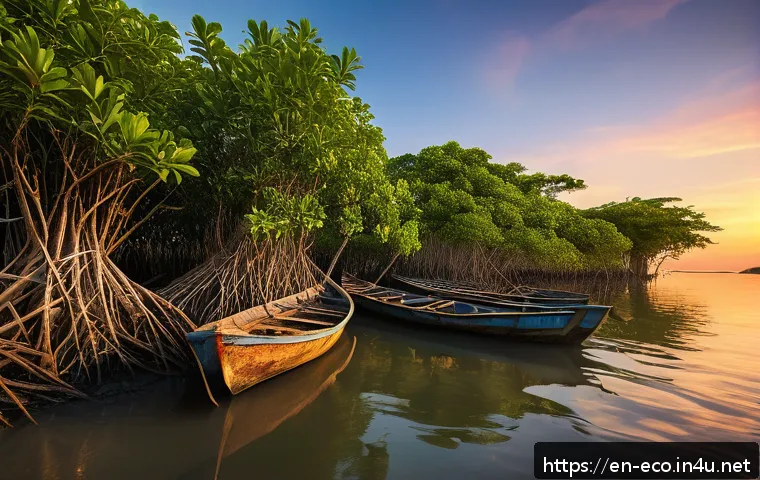
Mangroves, found along tropical coastlines, store carbon both above and below ground. Their dense root systems stabilize sediments and trap organic carbon, while their biomass captures CO2 directly.
Visiting mangrove reserves in Southeast Asia, I was amazed at their biodiversity and how local communities depend on them for fisheries and coastal protection.
Freshwater Marshes and Swamps Worldwide
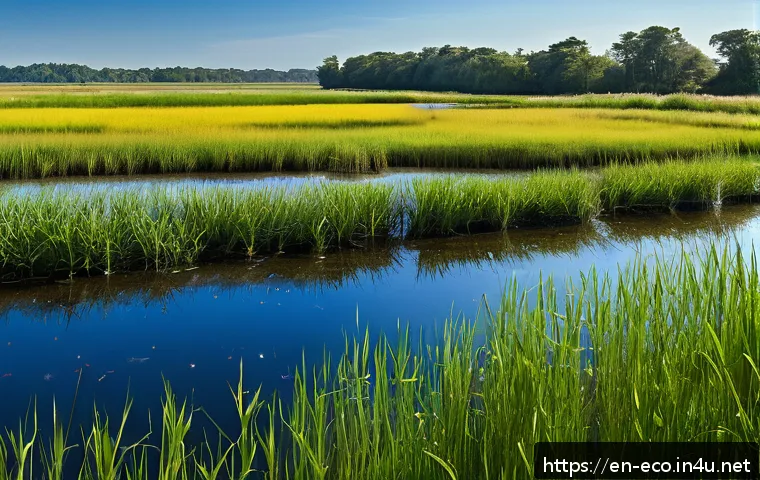
From the Everglades in Florida to the Okavango Delta in Botswana, freshwater wetlands vary widely but share a common trait: high carbon storage potential combined with rich biodiversity.
These areas often serve as critical breeding grounds for wildlife and offer unique recreational opportunities, making their preservation a win-win for environment and economy.
Challenges in Measuring and Monitoring Wetland Carbon
Complexity of Carbon Dynamics in Wetland Environments
Wetlands’ carbon processes are complex due to fluctuating water levels, diverse vegetation, and soil chemistry. This makes precise measurement challenging, requiring advanced techniques like remote sensing and soil sampling.
I’ve followed several scientific studies where researchers combined satellite data with fieldwork to improve carbon stock assessments, reflecting how technology is advancing our understanding.
The Role of Technology in Wetland Carbon Monitoring
Emerging tools such as drones, LiDAR, and infrared sensors are revolutionizing how scientists monitor wetland health and carbon storage. These technologies enable large-scale mapping and real-time monitoring, which is essential for managing conservation efforts.
I find it inspiring how innovation is making it possible to protect these fragile ecosystems more effectively.
Policy and Data Gaps in Wetland Carbon Accounting
Despite their importance, wetlands are often underrepresented in national carbon accounting frameworks, partly due to data gaps and methodological difficulties.
Bridging this gap requires collaboration between scientists, governments, and local communities. From my experience, inclusive policies that recognize wetlands’ value help secure funding and attention necessary for their protection.
Strategies for Wetland Conservation and Restoration
Community-Led Wetland Management
Involving local communities in wetland stewardship often leads to more sustainable outcomes. People living near wetlands have traditional knowledge and a vested interest in their preservation.
I’ve seen projects where empowering locals with training and resources resulted in successful restoration and ongoing protection, proving that conservation is as much social as it is ecological.
Integrating Wetlands into Climate Action Plans
Governments and organizations are increasingly incorporating wetlands into their climate strategies, recognizing their dual role in mitigation and adaptation.
Funding mechanisms like carbon credits for wetland restoration are emerging, incentivizing conservation. From my perspective, this integration is crucial for scaling impact and ensuring wetlands get the recognition they deserve.
Innovative Restoration Techniques
Restoring wetlands often involves re-establishing natural hydrology, planting native vegetation, and removing invasive species. Innovative approaches include using biodegradable materials to stabilize soils and employing bioengineering to rebuild habitats.
Having visited a restoration site, I witnessed how these techniques not only revive ecosystems but also enhance carbon sequestration capacity.
| Wetland Type | Carbon Storage Mechanism | Typical Carbon Storage Capacity (tons CO2/ha) | Key Threats |
|---|---|---|---|
| Peatlands | Peat accumulation in anaerobic soils | Up to 3,000 | Drainage, peat extraction, fires |
| Mangroves | Biomass and sediment carbon storage | Up to 1,000 | Deforestation, coastal development |
| Freshwater Marshes | Organic matter buildup in saturated soils | 200–600 | Pollution, water diversion |
| Swamps | Woody biomass and soil organic carbon | 300–800 | Land conversion, invasive species |
In Closing
Wetlands are far more than just watery landscapes; they are vital allies in the battle against climate change. Their unmatched ability to store carbon and provide essential ecosystem services makes their protection critical. By understanding and valuing wetlands, we can better safeguard our planet’s future. It’s clear that investing in wetland conservation is an investment in a healthier, more resilient world.
Useful Information to Know
1. Wetlands store up to five times more carbon per hectare than forests due to their unique waterlogged soils.
2. Different types of wetlands, such as peatlands and mangroves, vary in their carbon storage methods and capacity.
3. Wetlands offer important ecosystem services including flood control, water purification, and wildlife habitat.
4. Technological advances like drones and remote sensing are improving how we measure and monitor wetland carbon stocks.
5. Community involvement and innovative restoration techniques are key to effective wetland conservation efforts.
Key Takeaways
Wetlands play a crucial role in climate regulation by storing vast amounts of carbon in anaerobic soils, making them among the planet’s most efficient carbon sinks. Their rapid loss not only threatens biodiversity but also risks releasing significant greenhouse gases. Protecting and restoring wetlands delivers multiple benefits, from climate mitigation and adaptation to economic advantages like flood protection and water quality improvement. Embracing technology and inclusive policies will strengthen wetland management, ensuring these ecosystems continue to support both people and the planet.
Frequently Asked Questions (FAQ) 📖
Q: Why are wetlands considered important in combating climate change?
A: Wetlands act as natural carbon sinks, absorbing and storing large amounts of carbon dioxide that would otherwise contribute to global warming. Unlike many other ecosystems, wetlands trap carbon in both their plant life and soil, often for thousands of years.
This ability to lock away greenhouse gases makes them vital allies in reducing atmospheric carbon levels and slowing climate change. From my experience visiting several restored wetlands, I noticed how lush vegetation and saturated soils work together to keep carbon locked away effectively.
Q: How do wetlands store carbon differently from forests and oceans?
A: While forests store carbon mainly in trees and vegetation above ground, wetlands store carbon primarily in waterlogged soils where decomposition is slowed down due to low oxygen levels.
This creates a kind of natural vault where carbon accumulates over time without rapidly releasing it back into the atmosphere. Oceans absorb carbon through phytoplankton and dissolved carbon dioxide, but wetlands uniquely combine biological and soil carbon storage in one place.
Having spent time studying various ecosystems, I can say wetlands’ dual storage method is what makes them especially efficient carbon reservoirs.
Q: What are the biggest threats to wetlands and how can we protect them?
A: Wetlands face threats like drainage for agriculture, urban development, pollution, and climate-induced changes such as rising sea levels. These activities destroy or degrade their capacity to store carbon and support biodiversity.
Protecting wetlands involves enforcing strong conservation policies, restoring damaged areas, and raising public awareness about their climate benefits.
From my involvement with local conservation projects, I’ve seen that community engagement and education are crucial for successful wetland preservation efforts.
Supporting these efforts can make a real difference in maintaining our planet’s natural defense against climate change.