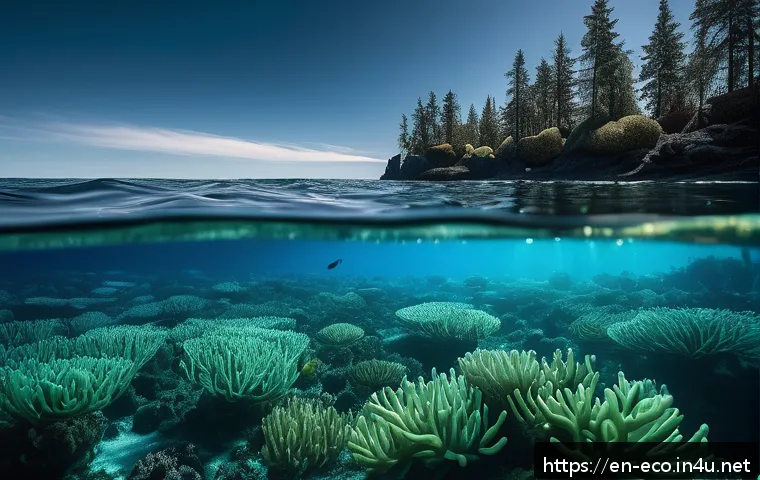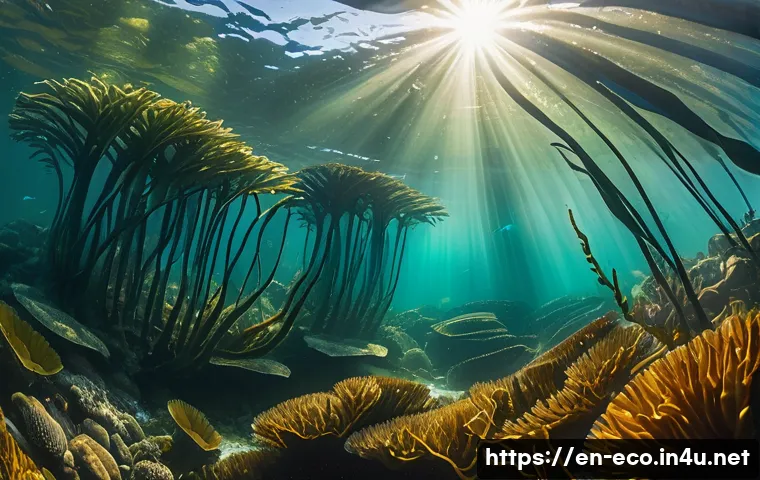
Seaweed plays a vital role in marine ecosystems, acting as a primary producer and providing habitat for countless aquatic species. Its ability to absorb carbon dioxide makes it a key player in combating climate change.
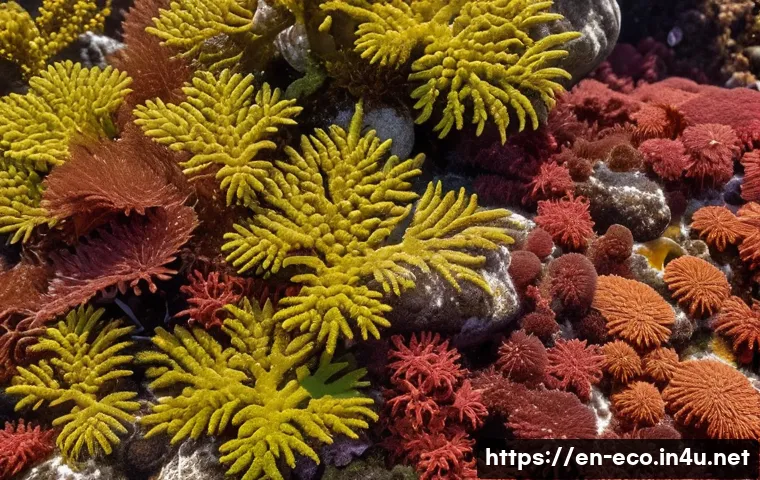
Studying seaweed ecology helps us understand ocean health and the impact of environmental changes on coastal biodiversity. Recently, advances in technology have allowed researchers to explore seaweed growth patterns and their responses to pollution and temperature shifts more accurately.
By delving into this fascinating field, we uncover insights that could shape sustainable marine practices. Let’s dive deeper and explore the intricacies of seaweed ecology together!
The Role of Seaweed in Coastal Food Webs
Foundation of Marine Food Chains
Seaweed acts as a fundamental energy source for a wide array of marine organisms. Through photosynthesis, it converts sunlight into organic matter, supporting herbivores such as sea urchins, snails, and small fish.
These primary consumers then become prey for larger predators, creating a complex and dynamic food web. Without seaweed, many coastal ecosystems would lose their primary energy input, leading to a collapse in biodiversity and productivity.
From my observations during coastal hikes and snorkeling trips, areas rich in seaweed often teem with diverse marine life, illustrating this essential role vividly.
Providing Shelter and Nursery Grounds
Beyond being a food source, seaweed beds serve as vital habitats for juvenile fish and invertebrates. The dense foliage offers protection from predators and harsh environmental conditions, increasing survival rates during vulnerable life stages.
Species like juvenile rockfish and certain crustaceans depend heavily on these underwater forests. When I dove near kelp forests, I noticed how fish darted in and out of the fronds, using them as safe zones.
This natural shelter fosters healthier populations and contributes to the resilience of coastal ecosystems.
Influence on Nutrient Cycling
Seaweed also plays a critical role in nutrient dynamics within coastal waters. By absorbing nutrients such as nitrogen and phosphorus from the water, seaweed helps maintain balanced nutrient levels, preventing eutrophication that can lead to harmful algal blooms.
Furthermore, when seaweed dies and decomposes, it releases organic matter back into the ecosystem, fueling detrital food webs. This cycling process is essential for sustaining productivity and biodiversity.
In places where seaweed has declined, I’ve noticed a marked increase in water turbidity and algal overgrowth, underscoring its regulatory importance.
Technological Advances in Monitoring Seaweed Growth
Remote Sensing and Satellite Imaging
Recent breakthroughs in remote sensing technology have revolutionized how researchers monitor seaweed populations on a large scale. Satellites equipped with multispectral sensors can detect changes in seaweed coverage, biomass, and health by analyzing light reflected from the ocean surface.
This method allows for continuous, non-invasive monitoring across vast coastal regions, providing valuable data on seasonal growth patterns and long-term trends.
From what I’ve read and seen in field reports, this technology has been crucial for early detection of environmental stressors affecting seaweed beds.
Underwater Drones and Automated Sensors
Underwater drones, or autonomous underwater vehicles (AUVs), combined with sensor arrays, offer a closer, more detailed look at seaweed ecosystems. These devices can measure parameters like water temperature, salinity, pH, and nutrient concentrations alongside capturing high-resolution images of seaweed structures.
Personally, I find the ability of these machines to navigate complex underwater terrain fascinating, as it provides insights impossible to obtain through traditional diving methods alone.
Their data helps scientists understand how microhabitats within seaweed beds respond to environmental fluctuations.
Data Integration and Predictive Modeling
Integrating data from satellite imagery, drones, and in situ sensors enables the creation of sophisticated predictive models. These models simulate how seaweed ecosystems might respond to various scenarios, including pollution events, ocean warming, or acidification.
Such forecasts are invaluable for coastal management and conservation planning. For example, models can identify vulnerable areas requiring protection or restoration efforts.
During a recent webinar I attended, experts emphasized how predictive analytics are transforming marine ecology by offering proactive rather than reactive approaches.
Environmental Stressors Impacting Seaweed Health
Pollution and Contaminant Effects
Chemical pollutants, including heavy metals, pesticides, and oil spills, can severely impair seaweed growth and reproduction. These contaminants may alter physiological processes like photosynthesis and nutrient uptake, weakening seaweed and reducing its ability to support marine life.
In urbanized coastal zones I’ve visited, seaweed beds often appear sparse and unhealthy, correlating with nearby pollution sources. Such observations highlight the urgent need for stricter pollution controls to preserve these essential habitats.
Temperature Fluctuations and Climate Change
Rising ocean temperatures present a major challenge for many seaweed species, especially those adapted to cooler waters. Thermal stress can lead to bleaching, reduced growth rates, or even mortality.
Additionally, shifting temperature regimes may cause changes in species distribution, with some seaweed moving poleward while others decline. I recall a study showing kelp forest shrinkage linked to marine heatwaves, which deeply concerned me because these habitats support so much biodiversity.
This stressor underscores the interconnectedness of climate change and marine ecosystem health.
Ocean Acidification and Its Consequences
As atmospheric CO2 levels rise, more carbon dioxide dissolves in seawater, lowering pH and causing ocean acidification. This chemical change affects seaweed differently depending on species and their calcification processes.
Some seaweed types may struggle to maintain structural integrity or reproductive success under acidic conditions. From conversations with marine biologists, it’s clear that acidification could disrupt not only seaweed physiology but also the broader ecosystems that depend on them, potentially altering food webs and nutrient cycles.
Seaweed’s Role in Carbon Sequestration
Natural Carbon Capture Mechanisms
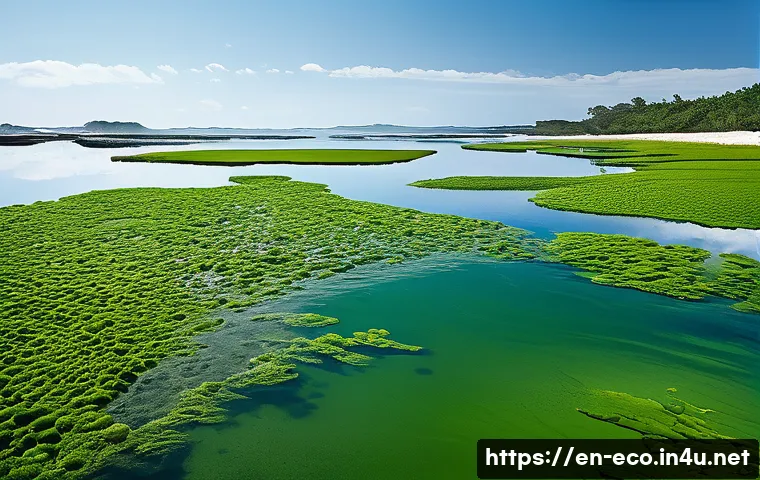
Seaweed absorbs carbon dioxide during photosynthesis, converting it into biomass and thus acting as a natural carbon sink. This process helps mitigate greenhouse gas concentrations in the atmosphere.
Unlike terrestrial plants, seaweed grows rapidly and covers vast oceanic areas, offering significant potential for carbon capture. My experience diving in dense kelp forests always reminds me of their impressive growth rates, which translate into substantial carbon fixation capacities.
Long-Term Carbon Storage Potential
Some of the carbon fixed by seaweed is eventually transported to deep ocean sediments when seaweed fragments break off and sink. This sequestration process locks carbon away for extended periods, contributing to long-term climate regulation.
While quantifying this storage is complex, recent research suggests seaweed ecosystems could rival terrestrial forests in their carbon sequestration potential.
This insight makes me optimistic about incorporating seaweed into climate mitigation strategies.
Implications for Blue Carbon Initiatives
Blue carbon refers to carbon captured by coastal and marine ecosystems, including mangroves, salt marshes, and seaweed beds. Recognizing seaweed’s role in this context is gaining momentum, with pilot projects exploring seaweed farming for carbon credits and climate mitigation.
From what I’ve gathered, these initiatives not only support carbon sequestration but also provide economic opportunities for coastal communities. It’s exciting to see science and policy converge around seaweed’s potential to combat climate change.
Human Interactions and Sustainable Seaweed Management
Commercial Harvesting and Aquaculture
Seaweed has long been harvested for food, cosmetics, fertilizers, and biofuels. However, unsustainable harvesting can degrade natural populations and ecosystems.
Recently, seaweed aquaculture has expanded as a more controlled and sustainable alternative. In my conversations with seaweed farmers, they emphasize the importance of balancing production with ecological health, such as avoiding overharvesting and protecting biodiversity hotspots.
Restoration Efforts and Conservation Strategies
Restoring degraded seaweed habitats involves replanting efforts, pollution reduction, and protection from physical disturbances. Innovative approaches like assisted evolution or selective breeding aim to enhance resilience against climate stressors.
I’ve been impressed by community-led restoration projects that combine scientific research with local knowledge, fostering stewardship and long-term success.
These efforts highlight the crucial role of collaboration in marine conservation.
Policy Frameworks and International Cooperation
Effective seaweed management requires coordinated policies addressing harvesting limits, habitat protection, and climate adaptation. International agreements and regional collaborations are emerging to safeguard these vital ecosystems.
During a recent conference, experts discussed the challenges of harmonizing regulations across jurisdictions but agreed on the necessity of global cooperation.
This policy landscape influences how seaweed ecology research translates into real-world impact.
Summary of Key Seaweed Species and Their Ecological Functions
| Seaweed Species | Primary Habitat | Ecological Role | Response to Stressors |
|---|---|---|---|
| Giant Kelp (Macrocystis pyrifera) | Temperate Coastal Waters | Forms underwater forests; supports diverse marine life | Sensitive to warming and pollution; declines with heatwaves |
| Red Algae (Rhodophyta) | Rocky Intertidal and Subtidal Zones | Contributes to reef building; provides food for herbivores | Moderately tolerant; affected by acidification |
| Green Algae (Ulva spp.) | Estuaries and Shallow Coastal Areas | Fast-growing; important in nutrient cycling | Thrives in nutrient-rich, polluted waters; can cause blooms |
| Brown Algae (Fucus spp.) | Intertidal Zones | Stabilizes sediments; offers habitat complexity | Vulnerable to desiccation and temperature stress |
Conclusion
Seaweed plays an indispensable role in coastal ecosystems, serving as a primary energy source, habitat, and nutrient regulator. Its ability to sequester carbon highlights its importance in combating climate change. However, environmental stressors and human activities pose significant threats that require careful management and conservation. Embracing technological advances and sustainable practices can help protect these vital underwater forests for future generations.
Useful Information to Remember
1. Seaweed forms the base of many marine food webs, supporting a wide variety of aquatic life.
2. It provides crucial shelter and nursery areas for young fish and invertebrates.
3. Seaweed contributes to nutrient cycling, helping to maintain water quality and ecosystem balance.
4. Technological tools like satellites and underwater drones are enhancing our ability to monitor seaweed health.
5. Sustainable harvesting and restoration efforts are essential to preserve seaweed habitats amid environmental challenges.
Key Takeaways
Understanding seaweed’s ecological significance is vital for effective coastal management. Protecting seaweed from pollution, climate impacts, and overharvesting supports biodiversity and carbon sequestration. Integrating innovative monitoring technologies with community-driven conservation can ensure the resilience of seaweed ecosystems. Collaborative policy frameworks are needed to align efforts globally and secure these underwater forests as natural allies in sustaining healthy oceans and mitigating climate change.
Frequently Asked Questions (FAQ) 📖
Q: How does seaweed contribute to reducing climate change?
A: Seaweed plays a significant role in mitigating climate change primarily through its ability to absorb large amounts of carbon dioxide during photosynthesis.
This process helps reduce the greenhouse gases in the atmosphere. Additionally, seaweed can store carbon in its biomass and, when it sinks to the ocean floor, it effectively sequesters carbon for long periods.
From my experience reading recent studies, this natural carbon capture makes seaweed a promising tool in global efforts to combat climate change.
Q: Why is studying seaweed ecology important for ocean health?
A: Understanding seaweed ecology is crucial because seaweed acts as a foundation species in many marine environments. It provides habitat and food for a wide variety of marine organisms, from tiny invertebrates to fish.
Changes in seaweed populations can signal shifts in water quality, pollution levels, and temperature changes, which are all indicators of ocean health.
Personally, I’ve noticed that research into seaweed growth patterns offers valuable clues about how coastal ecosystems respond to human impacts and natural fluctuations, helping us protect biodiversity more effectively.
Q: How have technological advances improved research on seaweed?
A: Recent technological breakthroughs, like remote sensing, underwater drones, and advanced imaging techniques, have revolutionized the way scientists study seaweed.
These tools allow researchers to monitor seaweed beds in real time, assess their growth rates, and understand their responses to environmental stressors like pollution and warming waters with much greater precision.
From what I’ve seen, these technologies not only provide richer data but also enable quicker decision-making for conservation and sustainable marine practices.