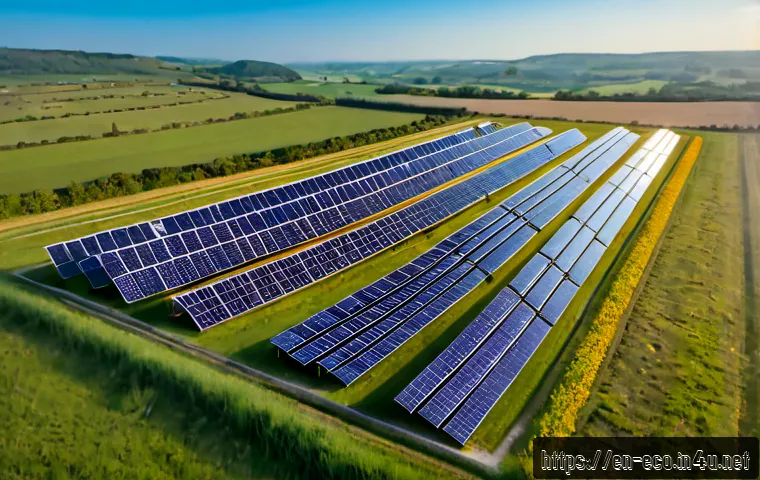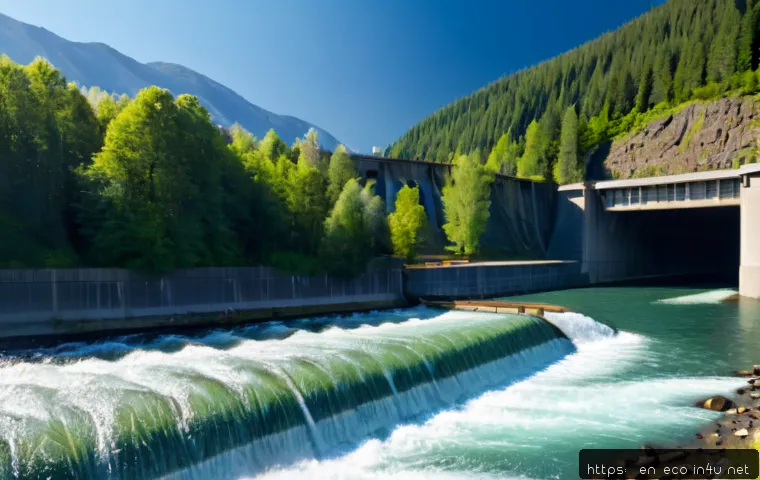
Hydropower can supply low-operational-carbon electricity, but it can also change river flow, fish movement, sediment transport, and water quality. A project should be assessed by its site, design, and operating plan—not simply labeled “renewable.” Large dams, run-of-river facilities, pumped-storage plants, and small installations can create very different ecological trade-offs.
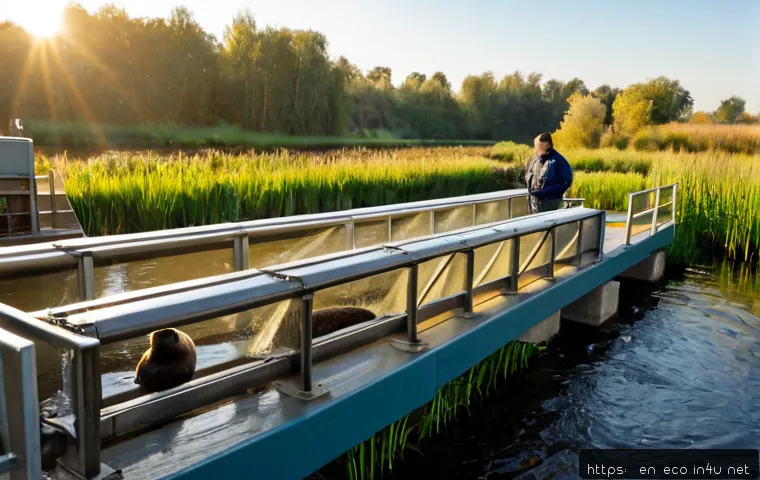
For communities and planners, the most useful comparison starts with flow conditions, local species, sediment needs, and downstream habitats. Environmental impact assessment, fish-passage design, and long-term monitoring may add planning work, but they can reveal risks before major decisions are made.
The right option depends on watershed-level evidence and current permitting requirements.
At a Glance
- Hydropower can be low-carbon in operation, but its overall environmental performance depends on the site, construction, reservoir conditions, and operations.
- Assess flow, fish, sediment, and water quality before judging whether a project is a suitable renewable-energy option.
- Environmental review, permitting, mitigation planning, and monitoring are commonly important parts of hydropower development.
| Project Type | Typical Ecosystem Concerns | Possible Mitigation Options | When Professional Assessment Is Especially Useful |
|---|---|---|---|
| Large storage dam | Altered flows, reservoir effects, fish barriers, sediment retention | Environmental flow releases, fish passage, sediment management, monitoring | When river, floodplain, downstream, and reservoir effects need to be considered together |
| Run-of-river facility | Diversion reaches, intake barriers, changed local habitat conditions | Bypass flows, fish screens, passage routes, operational monitoring | When a diversion may affect flows, species, or habitat between the intake and return point |
| Pumped-storage plant | Water-management changes and site-specific operational effects | Site-specific operating plans, water-quality review, monitoring | When pumping and releases could affect connected water bodies or habitats |
| Small hydropower installation | Local barriers, altered flow patterns, cumulative watershed effects | Low-impact siting, flow protection, fish-passage review, monitoring | When multiple small projects may affect the same river system |
The Short Answer: Hydropower Can Support Clean Electricity but Change River Ecology
Hydropower generates electricity by converting the energy of moving or falling water into mechanical energy and then electrical energy. That makes it an important option in renewable-energy project comparison, yet electricity generation does not remove the need for ecological review. A dam, diversion, reservoir, or release schedule can change the river conditions that fish, wetlands, floodplains, and downstream communities depend on.
The Four Impacts to Assess First: Flow, Fish, Sediment, and Water Quality
A practical first screen is simple: ask what happens to natural flow patterns, fish migration, sediment movement, and water conditions. Dams can change seasonal ecological cycles and downstream habitat conditions by changing how water moves through a river. Reservoirs can retain sediment that would otherwise support river channels, deltas, wetlands, and coastal areas. Releases from a reservoir can also affect downstream water temperature, dissolved oxygen, and aquatic habitat conditions.
Why Project Design and Operations Matter as Much as Generating Capacity
Generating capacity alone is not a measure of environmental suitability. Two projects using water from the same watershed may have different effects because of their intake location, diversion route, reservoir characteristics, release pattern, fish-passage design, and operating rules. A feasibility study should therefore connect engineering choices with environmental impact assessment findings rather than treating mitigation as an afterthought.
Comparing Hydropower Designs by Environmental Trade-Off and Planning Value
Storage Dams Versus Run-of-River Facilities
Large storage dams create reservoirs and can alter river flow over a broad area. They may also interrupt fish migration and trap sediment. Run-of-river facilities are often discussed as lower-impact alternatives, but they still require careful review. A diversion can affect the river reach between the intake and the point where water returns, and its effects depend on local flow, habitat, species, and operating conditions.
Do not assume that “run-of-river” automatically means low ecological impact. A design may avoid a large reservoir while still creating barriers, changing habitat conditions, or affecting seasonal flows in a sensitive reach.
Pumped-Storage Projects and Their Different Water-Management Considerations
Pumped-storage plants differ from conventional hydropower because they involve moving water between locations as part of their operation. Their ecological footprint should be evaluated through the specific water-management arrangement, connected habitats, operating schedule, and water-quality conditions. This calls for project-specific environmental consulting and engineering review rather than broad assumptions based on the technology name.
Comparison Table: Ecological Risk, Mitigation Needs, and Assessment Complexity
Every hydropower design has trade-offs. A useful planning question is not “Which technology is harmless?” but “Which design has identifiable impacts, workable mitigation options, and a monitoring plan that can respond to actual conditions?” For complex sites, watershed-level assessment can be more informative than reviewing a proposed facility in isolation.
What Changes in a River After a Dam or Diversion Is Built
Fish Migration and Habitat Fragmentation
Dams may obstruct fish migration. Fish ladders, lifts, bypass channels, and nature-like passages can reduce barriers for some species and sites. However, whether a particular fish-passage system will work for every local species or life stage cannot be assumed without site-level information. A fish-passage equipment review should consider the species present, the route through or around the project, and how the system will be monitored.
Sediment Retention, Downstream Channel Change, and Floodplain Effects
When a reservoir traps sediment, less material may continue downstream. That matters because sediment helps sustain river channels, deltas, wetlands, and coastal areas. Altered flow patterns can also affect floodplain connections and seasonal ecological cycles. Sediment management should be included early in environmental planning, especially where downstream landforms and habitats depend on continuing sediment movement.
Water Temperature, Oxygen, and Altered Seasonal Flows
Reservoir releases can change water temperature and dissolved oxygen downstream. These conditions can influence aquatic habitats, particularly when river organisms rely on seasonal patterns. A project review should identify how releases are expected to affect habitat conditions and whether operating rules can be adjusted through monitoring and adaptive operations.
Planning Steps That Reduce Ecological Risk and Avoid Costly Mistakes
Start With Baseline Surveys and Watershed-Level Assessment
Baseline surveys provide the starting point for an environmental impact assessment. They should examine local flow, species, water quality, sediment, and relevant cumulative watershed effects. This is also where hydropower consulting can help connect ecological evidence with design alternatives, permitting questions, and operational constraints.
Evaluate Environmental Flow Releases and Fish-Passage Alternatives
Environmental flow releases are a core planning issue because altered river flows can affect downstream habitats and floodplain connections. Fish-passage alternatives should be compared rather than selected by label alone. A ladder, lift, bypass channel, or nature-like passage may be more or less appropriate depending on the site and local species.
Include Sediment Management, Monitoring, and Adaptive Operations
A mitigation plan is stronger when it addresses sediment, water quality, fish movement, and river flow together. Long-term monitoring can show whether conditions align with the assumptions used in project planning. Adaptive operations may offer a way to respond when monitoring identifies a need for changes, subject to applicable approvals and operating requirements.

Avoid Common Mistakes in Small-Project and “Run-of-River” Assumptions
Small-scale installations are not automatically insignificant, particularly where several projects affect one watershed. Another common mistake is examining only the facility footprint while overlooking downstream effects, diversion reaches, or cumulative changes. Scale does not replace site-level assessment.
Which Situations May Favor Hydropower—and When Alternatives May Fit Better
Existing Dams, Canals, and Water Infrastructure
Existing water infrastructure may provide an opportunity to explore hydropower without starting from an entirely new river barrier. Even then, the environmental review should examine current flow conditions, fish movement, water quality, sediment, and any changes created by new operations. Existing infrastructure is a planning consideration, not proof that additional impacts will be minimal.
Sensitive Rivers, Migratory Fish Routes, and Protected Habitats
Sites with migratory fish routes, sensitive habitats, or important downstream connections deserve particular caution. In these settings, the added engineering, environmental consulting, or permitting work needed for lower-impact design may be justified. If mitigation cannot adequately address the likely concerns, another energy option may be a better fit.
Comparing Hydropower With Solar, Wind, Batteries, and Demand Management
Hydropower should be compared with other energy choices based on the needs of the power system and the local environmental setting. Solar, wind, batteries, and demand management have different land, infrastructure, timing, and operational considerations. A balanced renewable-energy project comparison looks at both electricity goals and the river ecosystem that could be affected.
Selection Criteria and Comparison Summary
Before choosing a hydropower pathway, compare the following points:
- Study scope: Does the feasibility study examine flow, species, water quality, sediment, and cumulative watershed effects?
- Flow protection: Does the plan clearly address environmental flow releases and downstream habitat conditions?
- Fish passage: Are fish ladders, lifts, bypass channels, or nature-like passage options evaluated for the local site?
- Sediment and water quality: Does the plan address sediment retention, temperature, and dissolved oxygen?
- Monitoring: Is there a practical long-term monitoring and adaptive operations approach?
- Permitting support: Does the environmental consultant or engineering team explain what still requires regulator and site-specific review?
When comparing environmental consultants, feasibility studies, fish-passage options, or monitoring plans, review the scope of work and site-specific assumptions on the relevant provider or official project information page.
Closing Thoughts
Hydropower can contribute to low-operational-carbon electricity, but it is not environmentally identical from one river to another. The most credible plans treat river ecology as a design input from the beginning. Flow, fish, sediment, and water quality deserve the same attention as generation goals. Careful assessment and monitoring can help decision-makers compare trade-offs clearly rather than relying on a renewable label alone.
Useful Things to Know
Fish passage is not a universal fix. Its effectiveness can vary by species, life stage, site conditions, and design.
Sediment is part of river function. Reservoir sediment retention can matter far beyond the dam itself.
Operations matter over time. Release schedules can affect downstream temperature, oxygen, flow, and habitat conditions.
Important Considerations
The ecological effects of a specific hydropower project cannot be determined without site-level studies of flow, species, water quality, sediment, and cumulative watershed conditions. Project costs, schedules, permitting outcomes, mitigation requirements, and the net climate effect of a reservoir also require current, location-specific information. Environmental review and regulator guidance should be checked for the proposed site.
Frequently Asked Questions
Q1. Is hydropower environmentally friendly compared with other electricity sources?
A1. Hydropower is generally a low-operational-carbon electricity source, but its full environmental performance depends on site conditions, construction impacts, reservoir characteristics, and operations. It should be compared with other options using both energy and ecosystem criteria.
Q2. How much does fish passage and environmental mitigation add to a hydropower project?
A2. The cost and requirements cannot be assumed without current developer, engineering, environmental, and regulator information. The needed measures depend on the site, species, project design, permitting process, and monitoring expectations.
Q3. Is run-of-river hydropower always safer for river ecosystems than a large dam?
A3. No. Run-of-river facilities may have different impacts from large storage dams, but diversions, intake structures, fish barriers, and altered flows can still affect river ecosystems. Site-level assessment is needed to compare the actual trade-offs.