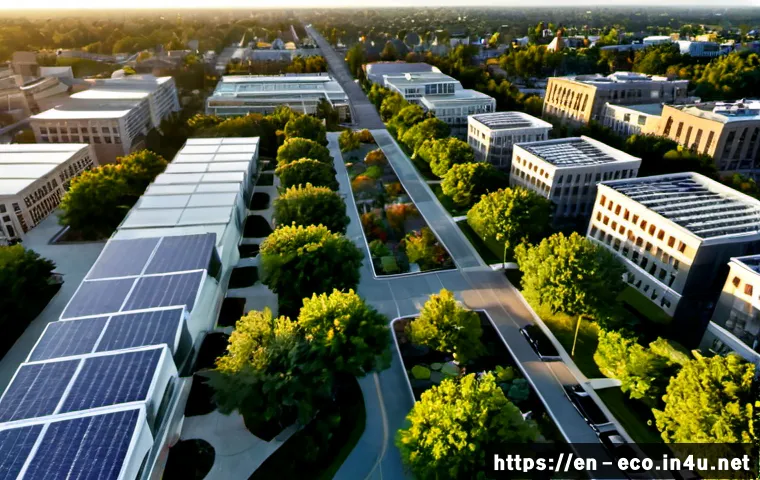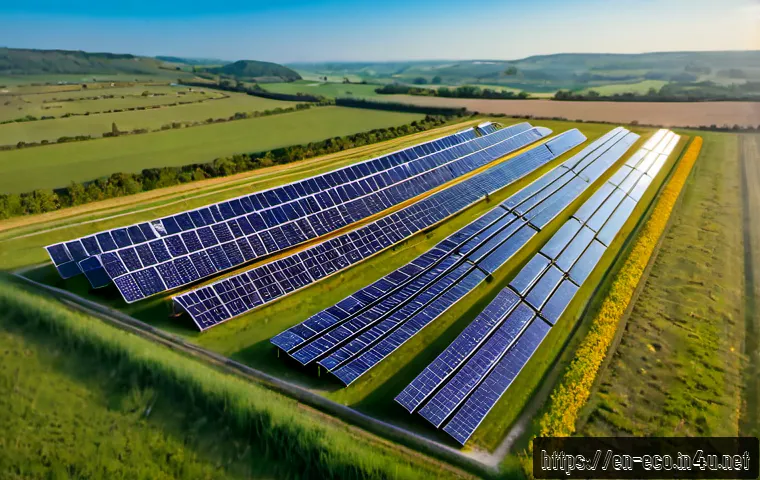
The lowest-impact solar option is often a system placed on already developed space, such as a roof, parking area, or previously disturbed site. Ground-mounted solar can also be a responsible choice, but it needs careful review of habitat, drainage, vegetation, and local wildlife before construction begins.
Solar photovoltaic systems generate electricity without combustion during operation, yet clean electricity and low-impact land use are separate decisions.
That distinction matters when comparing solar installation quotes, site assessments, and long-term maintenance plans. A good project balances energy value with practical protection for soil, water patterns, and nearby species.
The right choice depends on the site, not on a single universal rule.
At a Glance
- Start with existing built space: Rooftops and parking areas can avoid new land conversion.
- Review disturbed land carefully: Brownfields and industrial sites may reduce land-use conflict, but still need due diligence.
- Treat open-land solar as site-specific: Habitat, drainage, soils, wildlife movement, and permitting can change the outcome.
| Solar Location | Ecological Trade-Off | Main Cost or Planning Drivers | Best-Fit Use Case |
|---|---|---|---|
| Rooftop solar | Uses existing built space and generally avoids new land conversion. | Roof condition, shade, electrical upgrades, access, and system design. | Homes, businesses, schools, and public facilities with suitable roofs. |
| Solar carport or parking canopy | Can limit new habitat loss by using parking areas, though added infrastructure is required. | Structural design, parking layout, electrical work, and construction access. | Businesses, campuses, public facilities, and large parking areas. |
| Brownfield or disturbed land | May offer lower land-use conflict than intact habitat, but site conditions require review. | Site history, soil conditions, permitting, access, and restoration assumptions. | Redevelopment projects and commercial solar planning. |
| Ground-mounted solar on open land | May affect habitat connectivity, vegetation, drainage, and local species. | Land preparation, fencing, vegetation management, erosion control, and permitting. | Sites where ecological planning supports a workable long-term design. |
The Short Answer: Solar Can Support Ecology When Siting Comes First
Solar power can support lower-emission electricity generation because photovoltaic systems produce electricity without combustion during operation. However, a solar project is not automatically low impact simply because it produces renewable energy. Where the system goes, how the site is built, and how it is maintained all matter.
Why clean electricity and low-impact land use are separate decisions
A rooftop system and an open-land solar array may both generate solar electricity, but they can create very different land-use effects. A roof already serves a built purpose. An undeveloped field may provide vegetation, drainage functions, wildlife movement, or habitat value that is not obvious from a satellite image.
This is why a solar site assessment should not focus only on panel capacity or energy production. Ask whether the proposal accounts for vegetation, water flow, fencing, construction access, and restoration. These details can affect both ecological risk and long-term project management.
The practical preference order: existing structures, disturbed land, then carefully designed open-land sites
A practical starting order is to consider existing structures first, then parking areas or disturbed land, and then open-land locations that receive careful design review. This is not an absolute rule. A roof may need repairs, a brownfield may have complex conditions, and an open site may still be appropriate with strong ecological planning.
The key is to avoid treating every acre as interchangeable. Before requesting solar installation quotes, identify whether the project can use already developed space without creating unnecessary land-use conflict.
Compare Solar Locations by Ecological Impact and Project Value
Rooftop solar: using existing space with fewer land-use conflicts
Rooftop solar generally uses existing built space and can avoid new land conversion. For many homeowners and businesses, this makes it the most straightforward starting point for a lower-impact solar project.
That said, roof condition, shading, electrical capacity, and access still matter. A solar installer should evaluate whether roof work or electrical upgrades are needed before installation. A proposal that clearly separates these items can be easier to compare than a single broad price.
Solar carports and parking canopies: added infrastructure, minimal new habitat loss
Solar carports and parking canopies place panels above areas already used for vehicles. They can reduce pressure to use undeveloped land, although they require structural planning and may involve more complex construction than a simple rooftop system.
For commercial properties, schools, and public facilities, a carport can be worth reviewing alongside rooftop solar. Compare the proposal scope carefully, including structural work, electrical design, access during construction, and ongoing monitoring options.
Brownfields and disturbed land: redevelopment potential and due-diligence needs
Previously disturbed land, including brownfields, parking areas, and some industrial sites, may have lower land-use conflict than intact natural habitat. These locations can be attractive for commercial solar planning because the land has already been altered.
Still, “disturbed” does not mean “simple.” Site history, soil conditions, drainage, permitting requirements, and restoration needs can affect feasibility. A project team may need engineering review and local permitting guidance before assuming that a disturbed site is ready for solar development.
Ground-mounted arrays on open land: when ecological planning becomes essential
Ground-mounted solar can affect habitat connectivity, vegetation, drainage, and local species depending on design and management. This does not mean every open-land project should be rejected. It means the site requires more than a basic equipment layout.
Ask how panel rows, access roads, fencing, and vegetation management will interact with the land. If the area may include wetlands, protected species, cultural resources, or sensitive migration corridors, those questions require local review rather than assumptions.
What a Habitat-Conscious Solar Design Should Address
Native vegetation, pollinator habitat, and mowing plans
Native or pollinator-friendly vegetation beneath and around solar arrays can support biodiversity when appropriate for the site. The word appropriate is important: plant choices should reflect local soil, climate, water patterns, and long-term maintenance capacity.
Ask an installer or land manager what the vegetation plan includes. Will the site be mowed? How often? Who is responsible for ongoing management? A proposal should not treat landscaping as an afterthought if vegetation is part of the ecological strategy.
Wildlife movement, fencing, and corridor considerations
Fencing can protect equipment and define a project boundary, but it can also affect wildlife movement. The right approach depends on nearby species, existing corridors, and local conditions. A site-specific review can help identify whether fencing design needs extra attention.
Do not rely on a generic promise that a project is “wildlife friendly.” Ask what the design actually does, what assumptions were used, and whether local habitat information was reviewed.
Stormwater, erosion control, and soil protection
Solar arrays change how a site is accessed, maintained, and covered by vegetation. Drainage and erosion control should therefore be part of the design discussion from the beginning. Poorly considered water flow can create maintenance issues as well as ecological concerns.
Review whether the scope addresses stormwater pathways, soil disturbance, construction access, and site restoration. These items may be especially important for sloped sites, rural land, or locations with sensitive water patterns.
Construction timing, restoration, and long-term maintenance
Ecological impact is not limited to the finished solar array. Construction timing, equipment movement, temporary disturbance, and restoration after installation can all matter. Long-term maintenance also deserves attention because vegetation, access routes, and fencing remain part of the project for years.
A well-defined plan should explain what happens during construction and what happens after the installer leaves. If restoration is excluded, ask who will handle it and under what conditions.

Costs, Quotes, and Trade-Offs to Review Before You Commit
Why the cheapest bid may omit restoration or vegetation-management costs
The lowest initial solar installation quote may not include the same scope as a more detailed proposal. One bid may focus on equipment and basic installation, while another may include site restoration, vegetation management, permitting assumptions, or drainage-related work.
This does not automatically make the higher proposal better. It means the scopes should be compared line by line. Itemized proposals make it easier to see whether important site work has been left outside the price.
Comparing installation scope, warranties, monitoring, and battery-storage options
When comparing solar installation proposals, review the equipment scope, warranty terms, monitoring options, and responsibilities after installation. If battery storage is included, remember that storage can improve the usefulness of solar generation but adds equipment, safety, permitting, and end-of-life planning considerations.
Battery storage should be assessed as part of the full project, not added casually because it sounds useful. Ask what additional permitting, safety planning, and future equipment handling may be required for the proposed design.
Questions to ask installers, land managers, and local permitting offices
- What assumptions does this proposal make about drainage, grading, and erosion control?
- Is vegetation management included, and who will manage it over time?
- How will fencing affect access and possible wildlife movement?
- Does the scope include restoration after construction?
- What permitting assumptions are included, and what still requires local confirmation?
- Are battery storage equipment, safety requirements, and end-of-life planning included separately?
Site-Specific Paths for Homes, Farms, Businesses, and Communities
Homeowners: roof condition, shade, and electrical upgrades
For homeowners, rooftop solar is usually the logical first option to investigate. Start with roof condition, shade, available electrical capacity, and the practical work required for installation. Exact savings, incentives, and payback periods cannot be determined without location-specific quotes and utility-rate information.
Before choosing a provider, compare solar quotes that clearly describe roof-related work, electrical upgrades, monitoring, warranty terms, and any battery storage option.
Farms and rural landowners: crop, grazing, drainage, and lease considerations
Rural properties may have more available land, but that does not mean every field is suitable for ground-mounted solar. Crop use, grazing, drainage, soil conditions, and habitat considerations can all affect the decision.
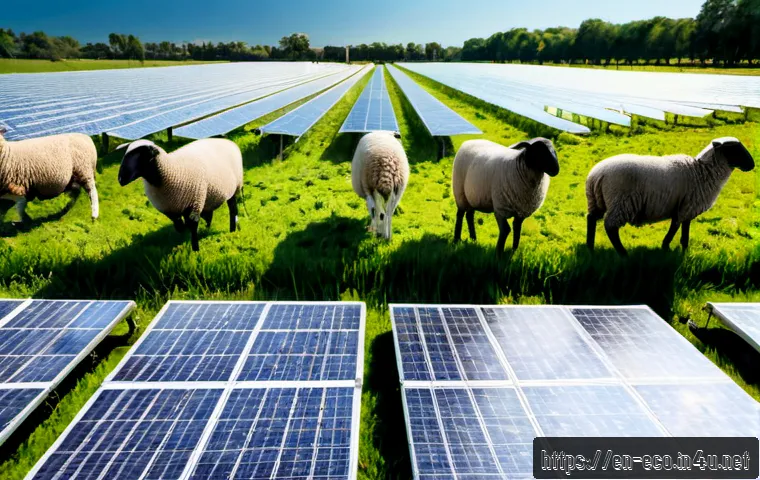
Pollinator habitat, grazing, and agrivoltaics may be possible in some circumstances, but their suitability requires local land-management assessment. Do not assume that a generic plan will fit a particular farm or parcel.
Businesses and public facilities: roof, carport, and energy-resilience priorities
Businesses and public facilities can compare rooftop systems, carports, and other developed-space options before considering undeveloped land. Parking canopies may be useful where roof space is limited, while battery storage may be considered when energy resilience is a planning priority.
A commercial solar proposal should be reviewed for site logistics as well as equipment. Construction access, parking disruption, structural needs, permitting, and long-term maintenance can affect the practical value of the project.
Selection Criteria and Comparison Summary
Use these checks before making a lower-impact solar investment:
- Can the project use an existing roof, parking area, or other developed space?
- If land is needed, is it previously disturbed rather than intact habitat?
- Does the proposal address drainage, erosion, vegetation, fencing, and restoration?
- Have local permitting needs and possible habitat constraints been confirmed?
- Are battery storage, monitoring, warranties, and maintenance responsibilities clearly separated?
- Have multiple solar installation quotes been compared on the same scope?
Request itemized proposals that include site restoration, vegetation management, and permitting assumptions. Review the detailed terms on the relevant provider or local permitting page before making a commitment.
In Closing
Solar energy and ecology can work together when the project begins with careful siting rather than a quick equipment decision. Existing roofs, parking areas, and disturbed land often deserve attention before intact open land. For any ground-mounted project, the best next step is a site-specific review of habitat, drainage, soils, and local permitting conditions. Clear scope documents can help buyers compare long-term project value instead of focusing only on the first quoted price.
Useful Things to Know
1. Solar photovoltaic systems generate electricity without combustion during operation.
2. A solar site assessment should consider land use as well as energy production.
3. Native or pollinator-friendly vegetation can support biodiversity when it fits local conditions.
4. Battery storage can add useful capability, but it also adds planning responsibilities.
5. Exact costs, savings, incentives, and payback depend on location-specific quotes and utility information.
Important Considerations
No general article can determine the ecological impact of a specific solar project. Protected species, wetlands, cultural resources, sensitive migration corridors, soil conditions, and water patterns require local data and permitting review. The suitability of habitat planting, grazing, or agrivoltaics also depends on site-specific land-management conditions. Seek ecological, engineering, or planning input when the site has potential environmental constraints or when a proposal leaves major assumptions unclear.
Frequently Asked Questions
Q1. Is rooftop solar better for the environment than a ground-mounted solar farm?
A1. Rooftop solar generally uses existing built space and can avoid new land conversion, so it often has fewer land-use conflicts. A ground-mounted solar project may still be appropriate, but its effects depend on site design, habitat conditions, drainage, vegetation, and local species.
Q2. What should I ask a solar installer about wildlife, drainage, and native vegetation?
A2. Ask whether the proposal includes a vegetation-management plan, drainage and erosion-control assumptions, fencing details, restoration after construction, and any review of local habitat conditions. Also ask which items require confirmation through local permitting or site-specific assessment.
Q3. Does habitat-friendly solar design cost more, and when is the extra expense worthwhile?
A3. Costs cannot be determined without site-specific quotes. A more detailed design may include restoration, vegetation management, drainage planning, or permitting work that a basic bid does not show. The added scope may be worth considering when it reduces unclear maintenance responsibilities, community concerns, or permitting-related uncertainty.