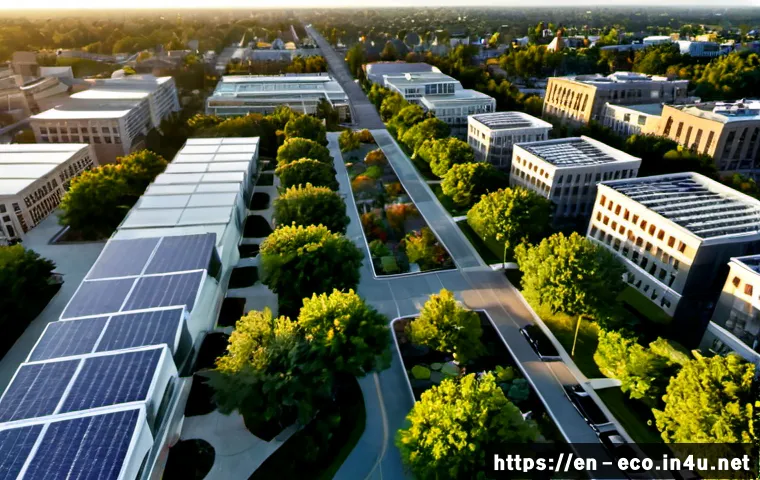
Urban heat island mitigation helps cool built-up areas by combining shade, vegetation, reflective materials, and lower-heat building and street design.
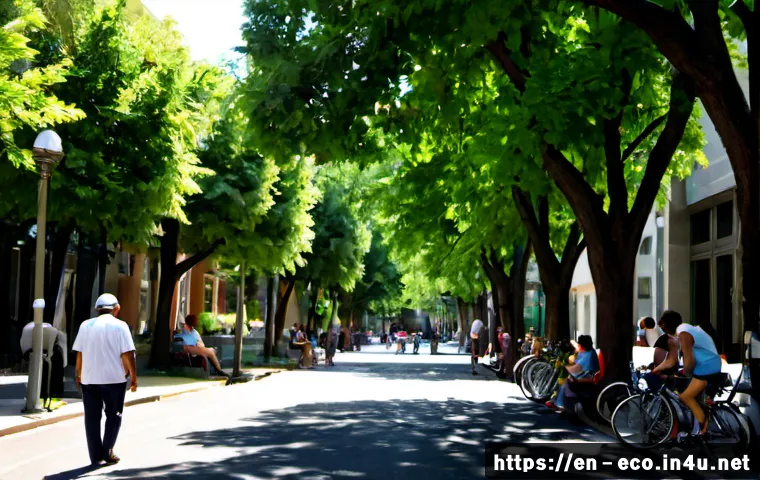
No single measure works best everywhere, but coordinated actions can reduce how much heat streets, roofs, and paved areas hold. Trees, lighter surfaces, and better-designed public spaces can make outdoor areas more comfortable while supporting heat safety.
Reducing waste heat from vehicles, cooling equipment, and industrial activity also matters. The right mix depends on local conditions, including rules, water availability, maintenance capacity, and the places that experience the greatest heat.
Why Cities Become Hotter Than Nearby Areas
Urban areas often stay warmer than nearby rural areas because their surfaces handle sunlight differently. Dense development can replace soil and vegetation with roofs, roads, parking areas, and sidewalks. These materials absorb solar energy during the day and release heat later, extending uncomfortable conditions into the evening.
Heat-absorbing streets and buildings
Dark roofs and paved surfaces can take in substantial solar heat. Where streets and buildings are closely packed, heat may accumulate across large connected areas rather than dispersing through planted ground. This does not mean every paved site has the same impact; local surface choices, building layout, and surrounding vegetation all affect conditions.
Limited shade and airflow
A lack of tree cover leaves pedestrians, homes, and public spaces directly exposed to the sun. Closely built blocks can also limit airflow in some locations. Adding shade is therefore not only a landscaping decision: it can improve the usability of sidewalks, transit waiting areas, school grounds, and other outdoor places during hot weather.
Design Strategies That Lower Outdoor Temperatures
Cooling a city works best as a connected design effort. Green infrastructure can provide shade and evapotranspiration, while surface materials can reduce solar heat absorption. Plans should match the physical character of each neighborhood instead of applying one treatment everywhere.
Expanding tree canopy and green space
Trees and other vegetation cool surrounding areas through shade and evapotranspiration. Tree canopy can be especially useful along walking routes, around buildings, and in public spaces that receive strong sun. Green space may also break up large expanses of heat-absorbing pavement. However, planting plans need to account for local tree rules, water limits, site conditions, and long-term maintenance requirements.
Using cool roofs and lighter surfaces
Light-colored or reflective roofs and pavements absorb less solar heat than darker surfaces. Cool roofs can reduce the heat absorbed at the top of a building, while lighter pavement choices can help limit heat buildup at ground level. Material selection should still be checked against local building codes, safety needs, durability expectations, and maintenance practices.
| Approach | How it supports cooling | Key consideration |
|---|---|---|
| Tree canopy and vegetation | Provides shade and cooling through evapotranspiration | Water, planting rules, and ongoing care may vary by location |
| Cool roofs and lighter pavements | Absorb less solar heat than darker surfaces | Confirm local code and maintenance requirements |
| Shade structures and permeable ground | Reduces direct sun exposure and breaks up hard paved areas | Design should suit the site and intended use |
| Lower waste heat | Limits heat released by transport, cooling systems, and equipment | Practical options depend on local operations and infrastructure |
Reducing Heat at Building and Street Level
Neighborhood-scale planning matters, but smaller site decisions also add up. A building entrance, sidewalk, parking area, courtyard, or transit stop can be made more heat-conscious through a combination of shade, ground treatment, and efficient equipment choices.
Shade structures, permeable ground, and efficient cooling
Shade structures can protect people in places where trees are not feasible or need time to mature. Permeable ground can reduce the uninterrupted spread of hard paving and can be considered alongside planted areas and shade. Building cooling systems should also be selected and operated with efficiency in mind, since air-conditioning systems release waste heat outdoors. Site-specific requirements and maintenance needs should be reviewed before work begins.
Cutting waste heat from transport and equipment
Vehicles, air-conditioning systems, and industrial activity can add heat to the local environment. Reducing waste heat from these sources supports broader cooling efforts, especially in dense areas where many heat sources operate close together. The suitable steps will differ by location, building use, and available infrastructure, so a local assessment is needed rather than a one-size-fits-all plan.
Planning Fairer Heat-Resilient Neighborhoods
Heat mitigation is also a public health and access issue. Cooling improvements should not be concentrated only in highly visible districts while hotter residential areas remain without shade, safe cooling spaces, or useful heat-health information.
Prioritizing vulnerable residents and hot spots
Planning should identify hot spots and consider residents who may face greater heat exposure. This can guide where to expand shade, improve public spaces, and provide access to cooling spaces and heat-health information. Fairer planning does not require identical projects in every block; it means directing attention to the conditions and people with the greatest need.
Maintaining projects over time
A cooling project only continues to help when it is maintained. Trees require care, planted spaces need management, and reflective or permeable surfaces need upkeep appropriate to their material and setting. Before choosing a measure, communities should consider who will maintain it and whether local requirements can be met over time.
Closing Thoughts
Urban heat island mitigation is most practical when it combines several actions rather than relying on one highly visible project. Vegetation, shade, reflective surfaces, and reduced waste heat can reinforce one another across buildings and public spaces. The expected temperature change for a specific project cannot be assumed in advance. Local conditions, rules, resources, and maintenance capacity should shape the final plan.
Useful Things to Know
Heat-absorbing roads and buildings are only part of the issue; limited shade and locally released waste heat also influence outdoor conditions.
Trees cool through shade and evapotranspiration, while light-colored or reflective materials can absorb less solar heat.
Access to shade, cooling spaces, and heat-health information should be part of heat-resilience planning.
Key Points
Effective city cooling connects physical design with fair access and reliable maintenance. Start with the hottest, least-shaded places, then select a locally suitable combination of vegetation, surface improvements, shade, and waste-heat reduction.
Frequently Asked Questions
Q1. What is the most effective way to reduce the urban heat island effect?
A1. There is no single most effective measure for every city or neighborhood. A combined approach using shade, vegetation, reflective surfaces, and reduced waste heat is generally more resilient than relying on one action. The most cost-effective mix for a particular location requires local review.
Q2. Do trees and green roofs help cool city neighborhoods?
A2. Trees and other vegetation can cool surrounding areas through shade and evapotranspiration. Green roofs are a form of vegetation-based design that may support cooling, but their suitability depends on the building, local requirements, water conditions, and maintenance capacity.
Q3. What can homeowners do to reduce heat around their property?
A3. Homeowners can consider adding shade and vegetation where appropriate, choosing lighter or reflective roof and surface materials when replacing them, and using cooling equipment efficiently to limit waste heat. Local building codes, planting rules, water limits, and maintenance requirements should be checked first.